
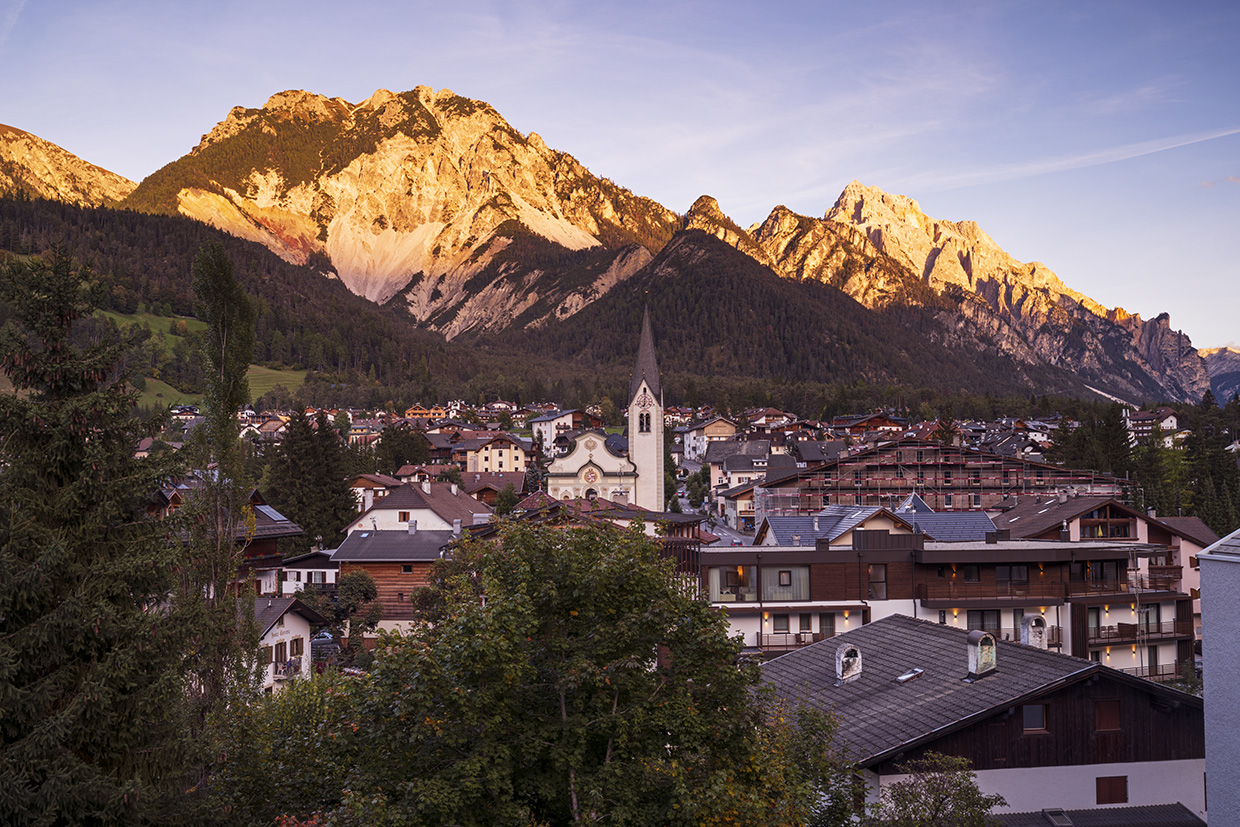
10 Helpful Things I Wish More Travelers Knew About Europe

Planning a trip to Europe?
Before you book your flights or start mapping out your itinerary, there are a few things I wish more travelers knew before they go.
In this episode, I share 10 helpful insights I’ve learned through years of traveling throughout Europe and helping clients plan their adventures.
We talk about why Europe’s famous cities are only part of the story, why distances can be deceiving, and why trains aren’t always the best transportation option.
I also explain why you don’t need to see every famous attraction to have an incredible trip.
You’ll learn how Europe’s national parks differ from those in North America, why walking is a part of everyday life, and why leaving room for spontaneity — taking unplanned detours — often leads to the most memorable travel experiences.
Whether you’re planning your first trip to Europe or your tenth, I hope these tips help you create a journey that’s less rushed, more meaningful, and truly your own.
Want to chat more about this topic?
Send me a note at Lynne@WanderYourWay.com
In this episode:
1:01: Intro
3:39: More than big cities
6:35: Natural destinations are amazing
8:21: National parks are different
10:27: Trains aren’t always best option
13:16: Europe doesn’t have to be expensive
17:27: Distances can be deceiving
20:14: Walking is a way of life
23:14: Each country is unique
24:33: You don’t have to see it all
27:21: You don’t have to have it all planned
29:38: Recap and final thoughts
32:34: Wrapping it up
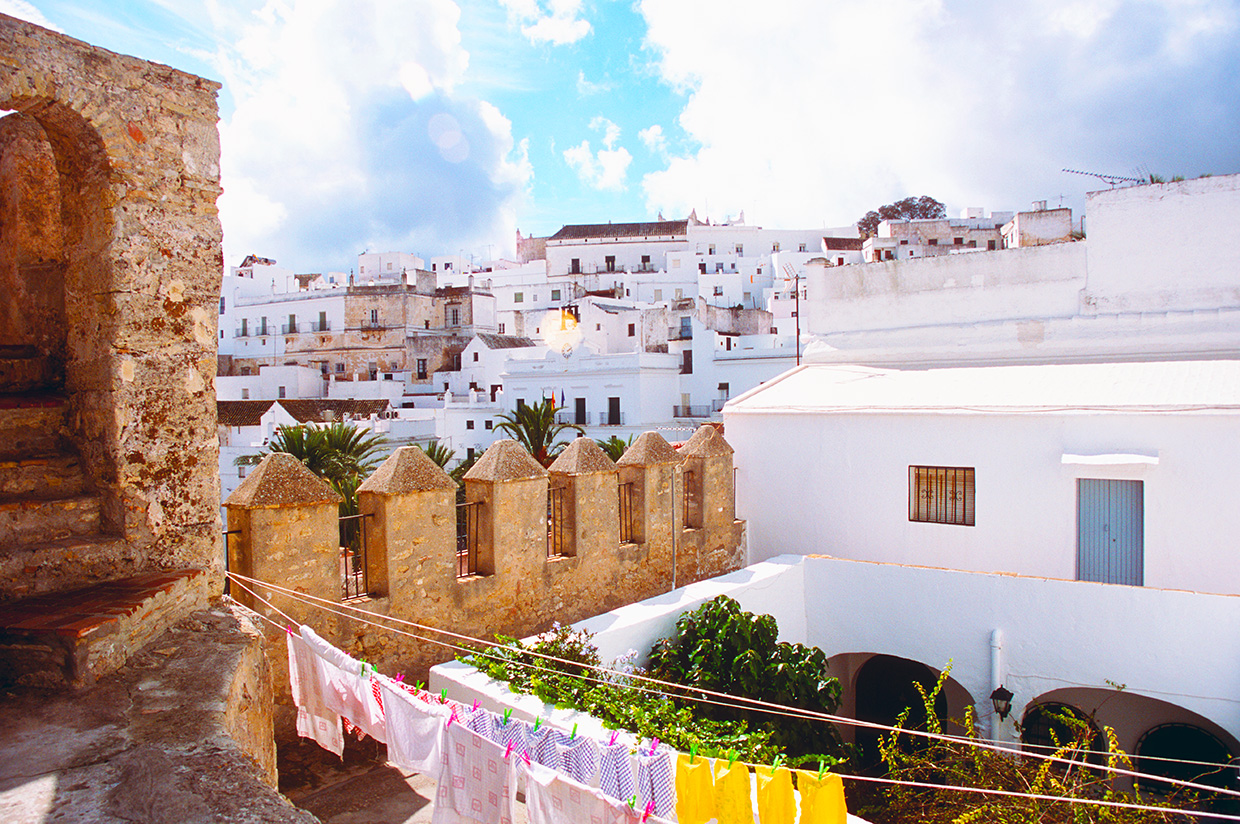

10 Helpful Things I Wish More Travelers Knew About Europe
(For those who prefer to read)
Planning a trip to Europe is exciting.
But it can also feel overwhelming.
Between social media, guidebooks, Google searches, and well-meaning advice from family & friends, it’s easy to think you have to see everything, visit every famous attraction, and pack as much as possible into your itinerary.
That’s exactly why I put together this list of things I wish more travelers knew about Europe.
After years of traveling throughout Europe and planning trips for my clients, I’ve learned that looking at Europe a little differently often leads to a much better trip.
Here are 10 helpful things I wish more travelers knew about Europe before they started planning their trip.
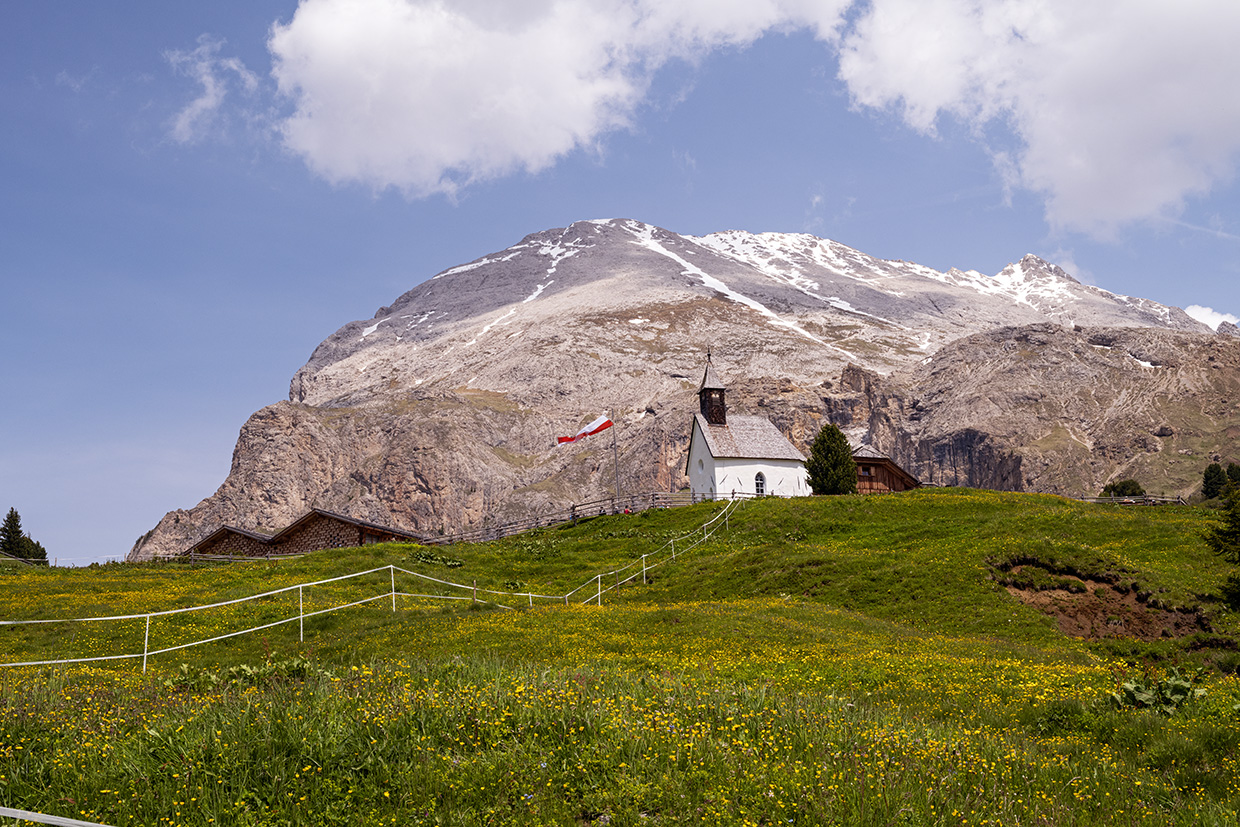
#10 Europe is more than its famous cities
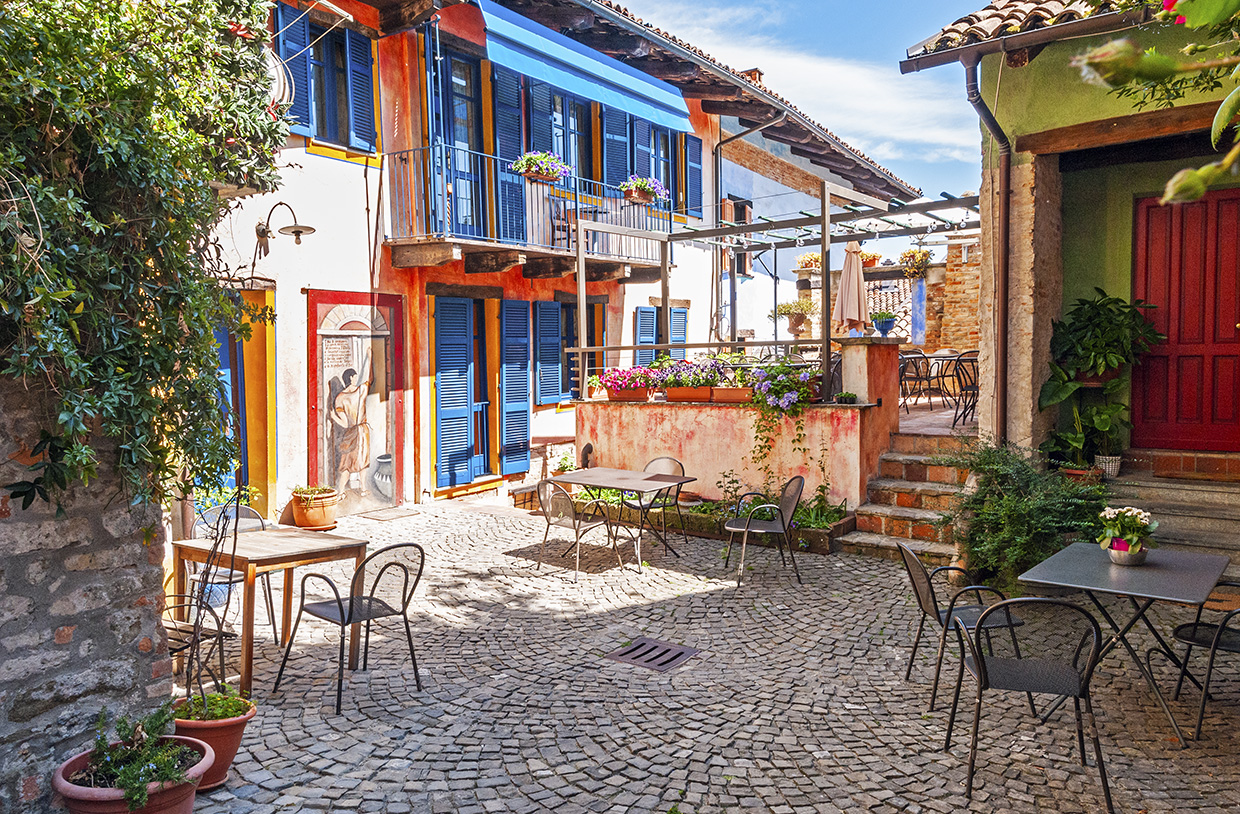
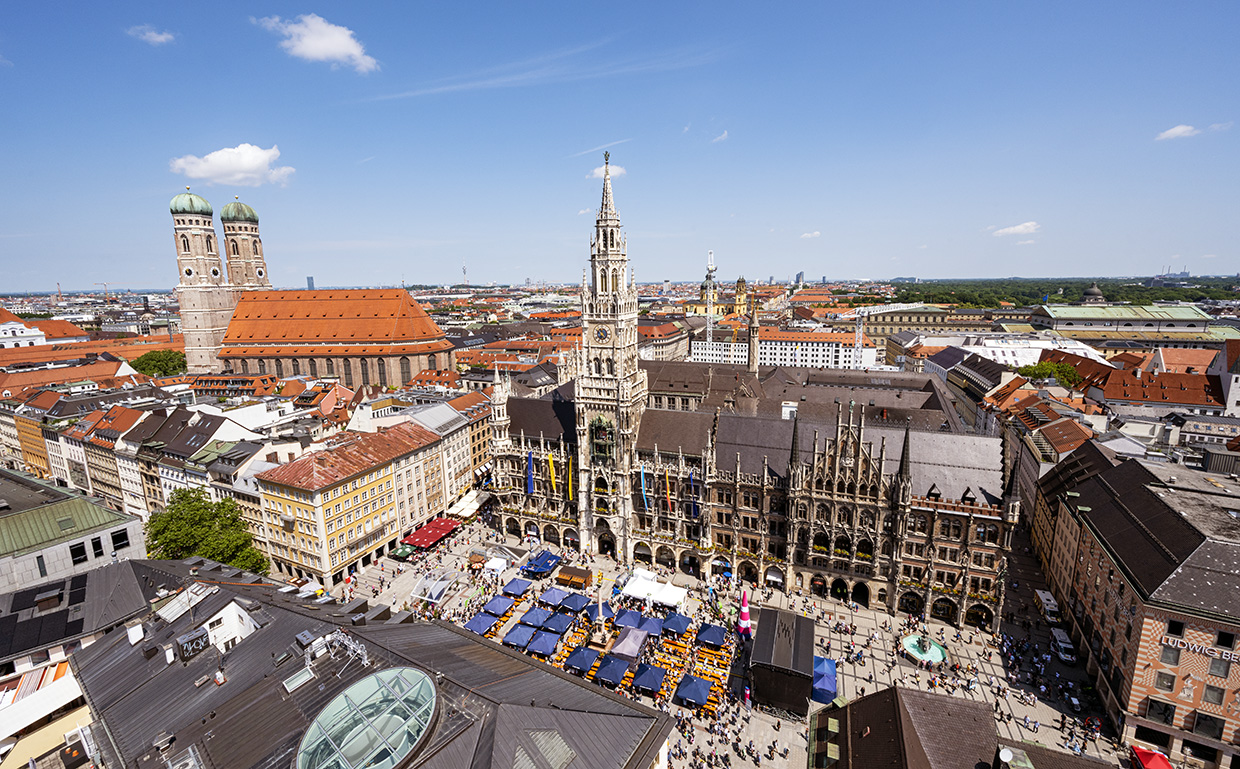
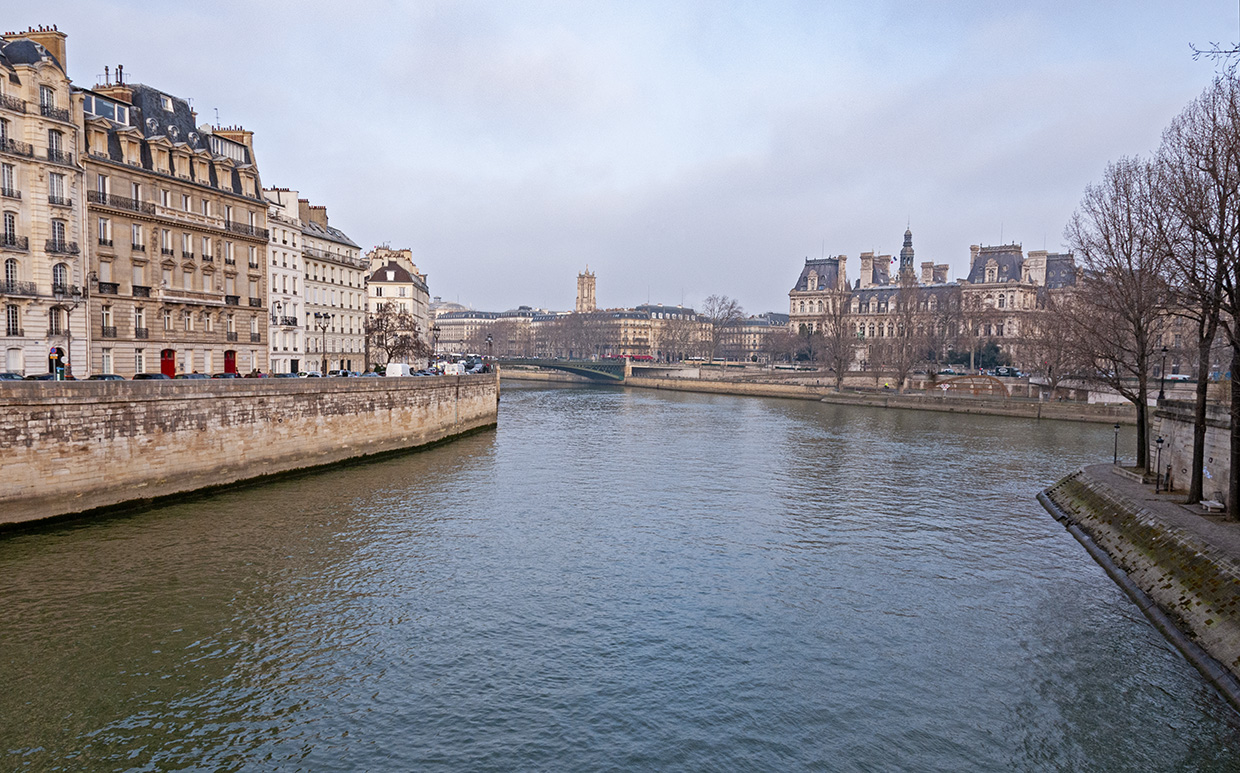
When people think of Europe, places like London, Paris, Rome, Amsterdam, Barcelona, and Edinburgh often come to mind first.
Don’t get me wrong.
They’re fabulous destinations.
But they’re only one part of the story.
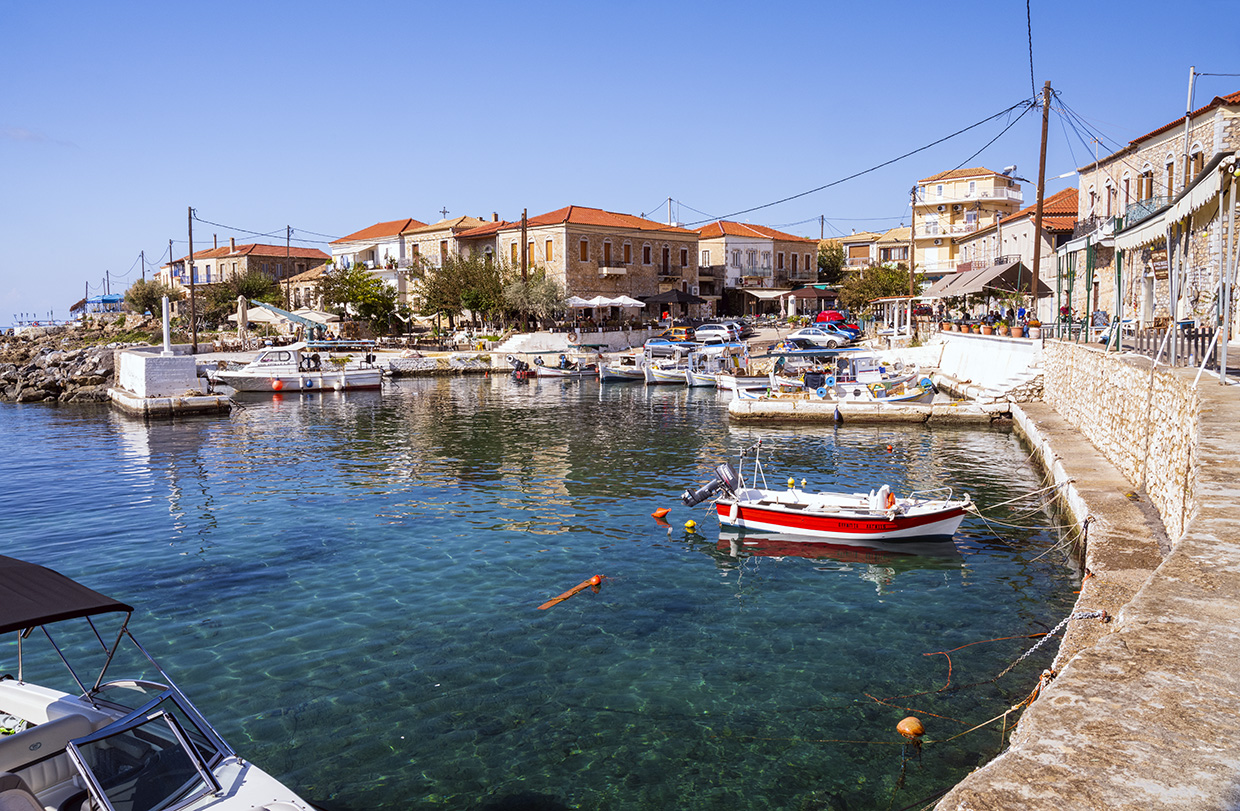
Some of my favorite travel memories have happened in small villages, quiet rural regions, and lesser-known towns where I simply got to observe everyday life.
Whether it was watching families gather to pick up their children from school in Italy or chatting with a woman collecting mushrooms in a Scottish forest, those are the moments that have stayed with me.
Don’t skip the famous cities.
Just don’t let them be your entire trip.
#9 Europe has incredible natural beauty
You know me.
Even though I love a good historical site, I also LOVE being outdoors.
So remember — Europe isn’t just castles, museums, and the grand cities.
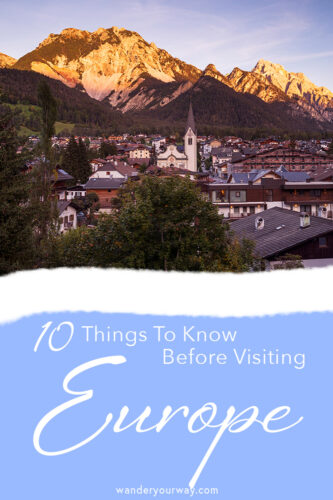
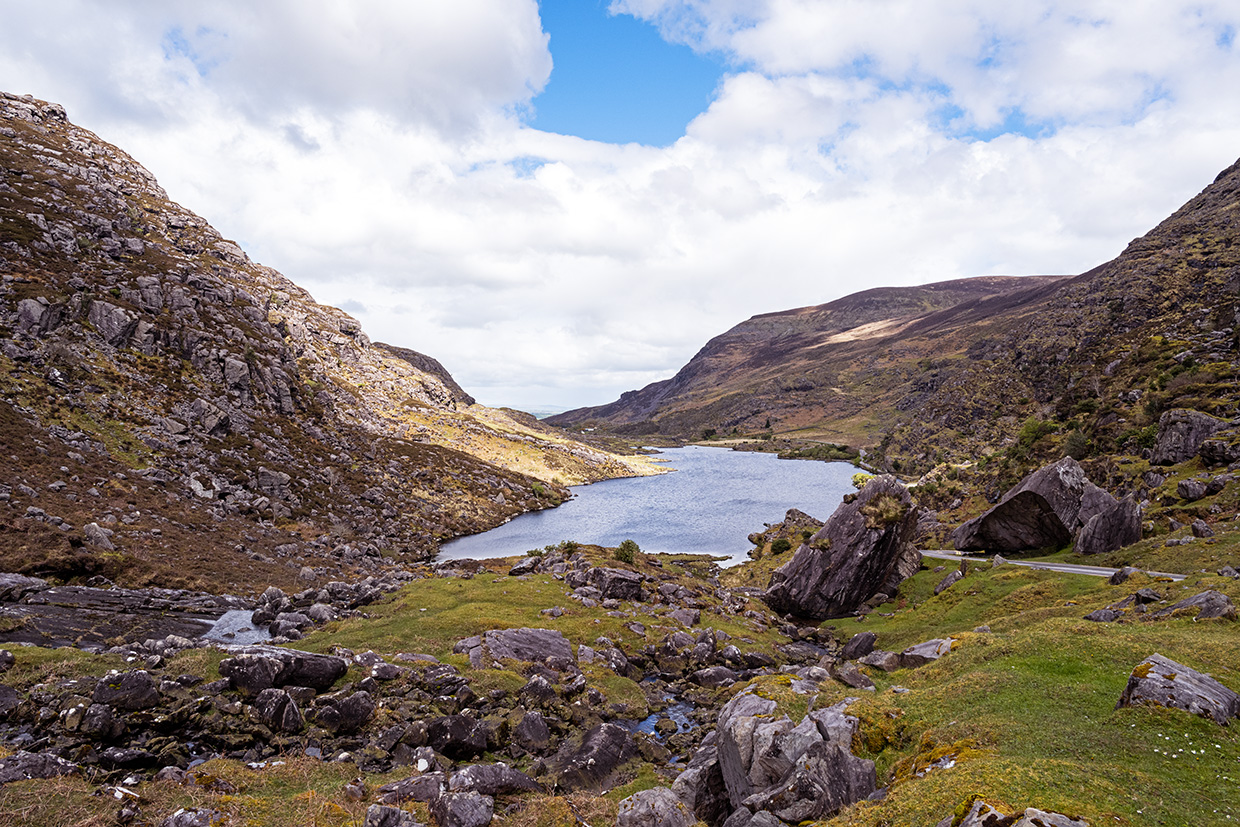
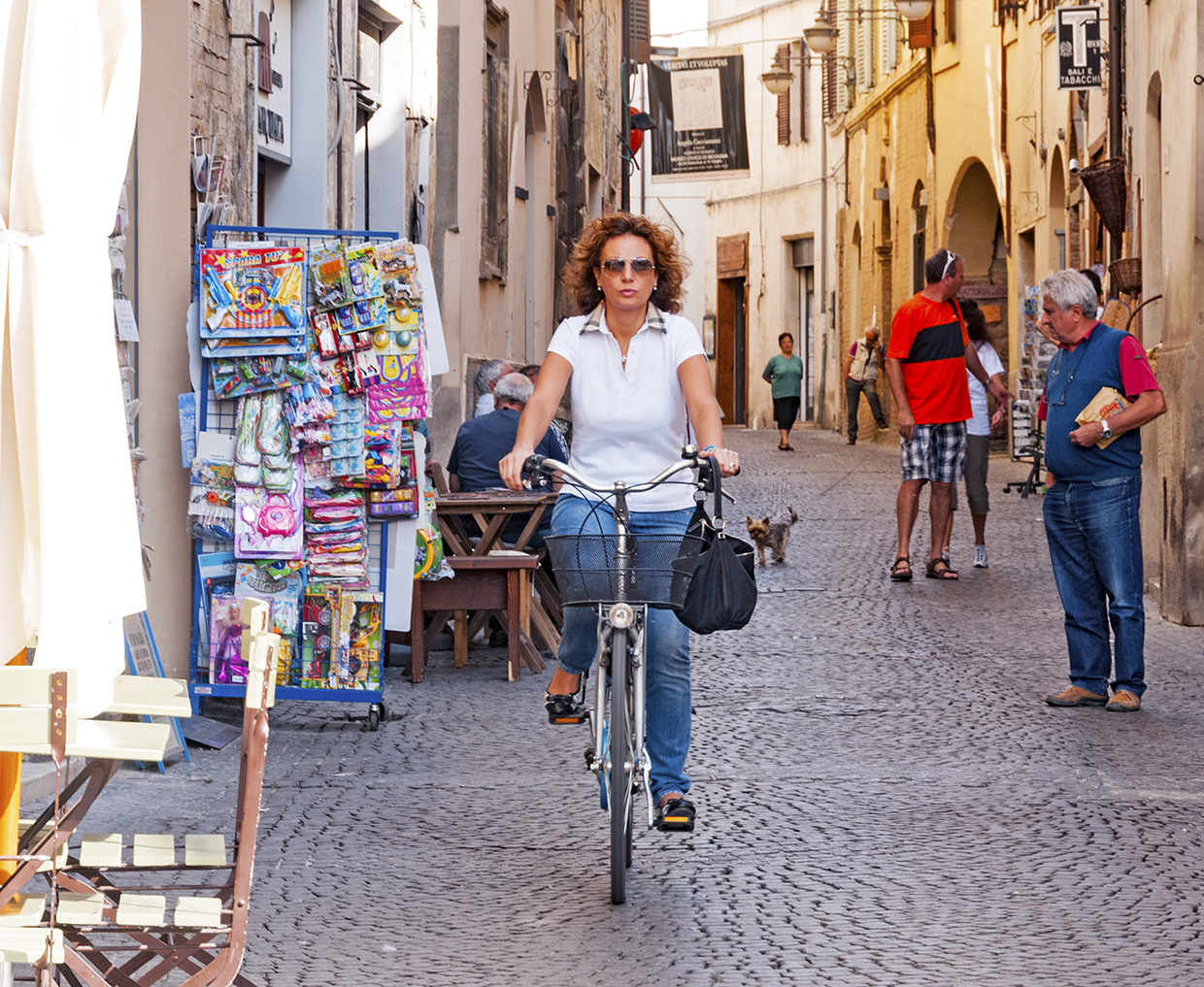
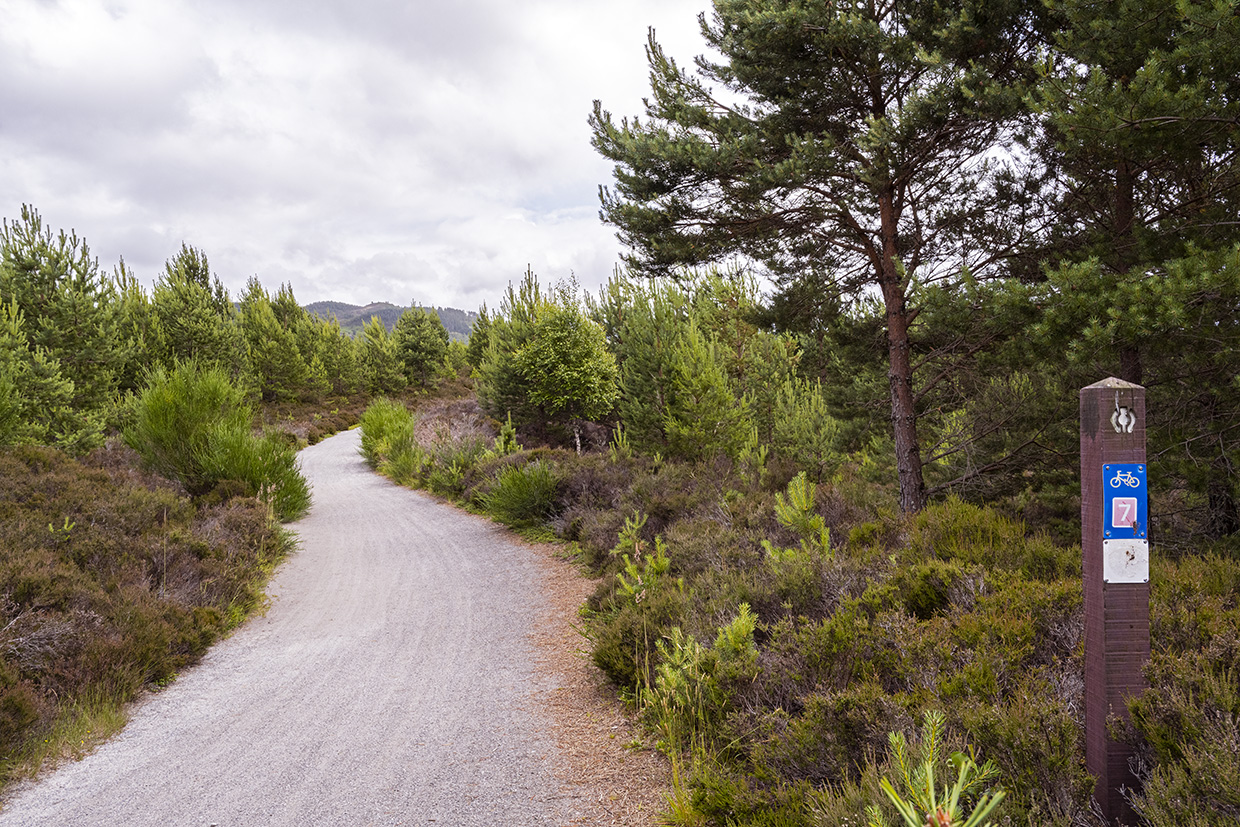
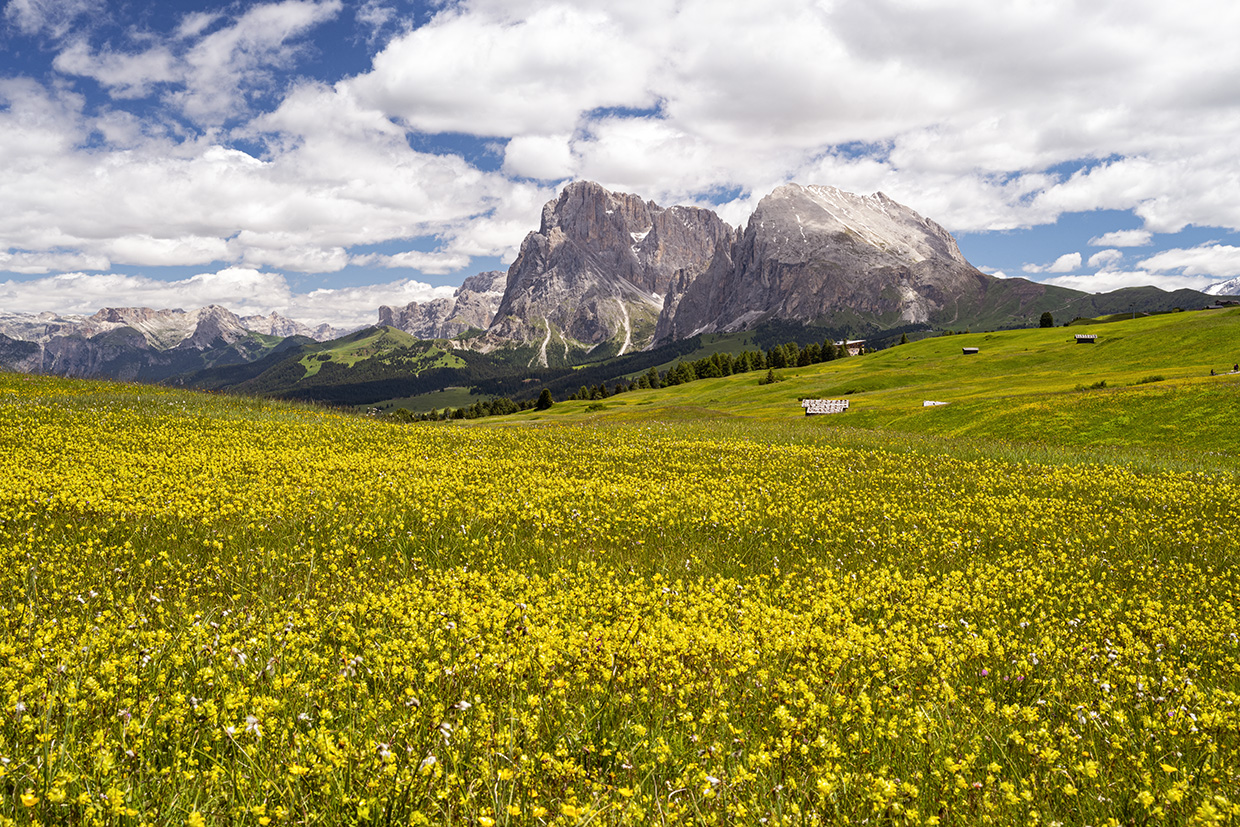
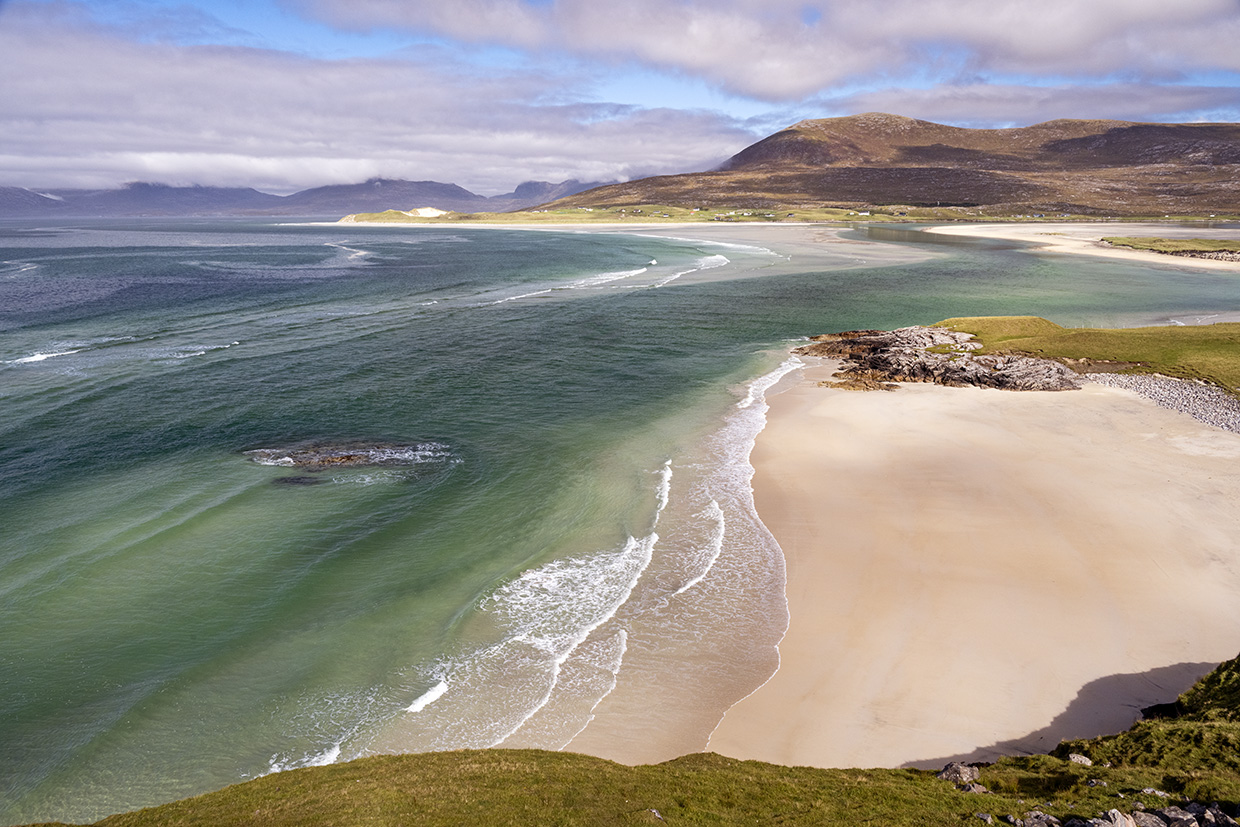
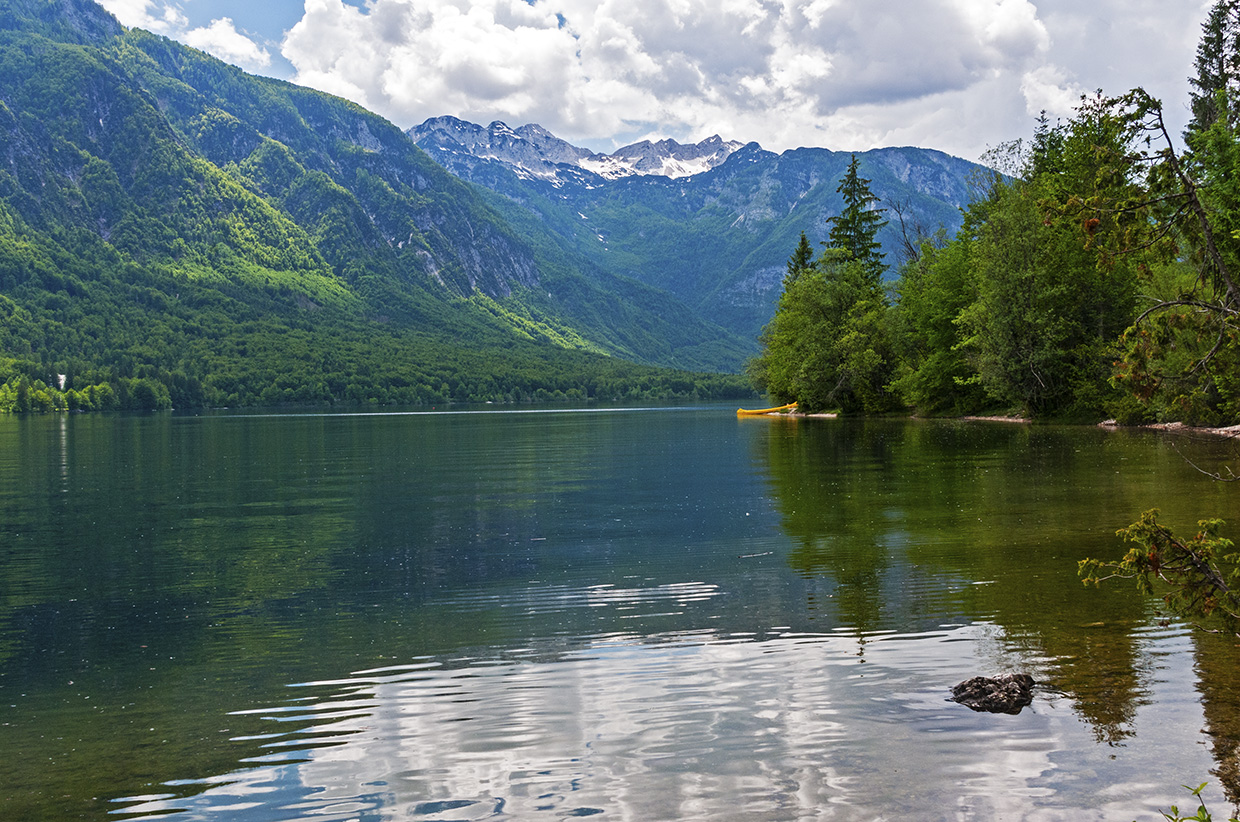
It also offers breathtaking mountains, dramatic coastlines, peaceful lakes, rolling countryside, forests, rivers, caves, and beautiful protected parks.
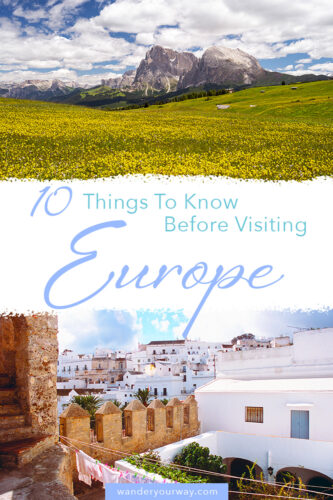
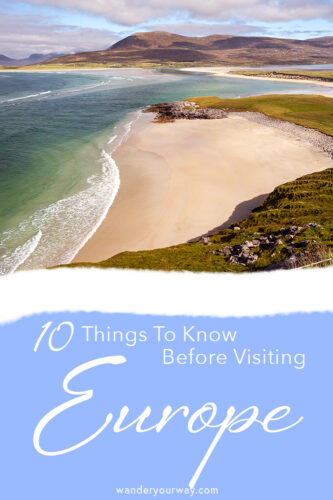
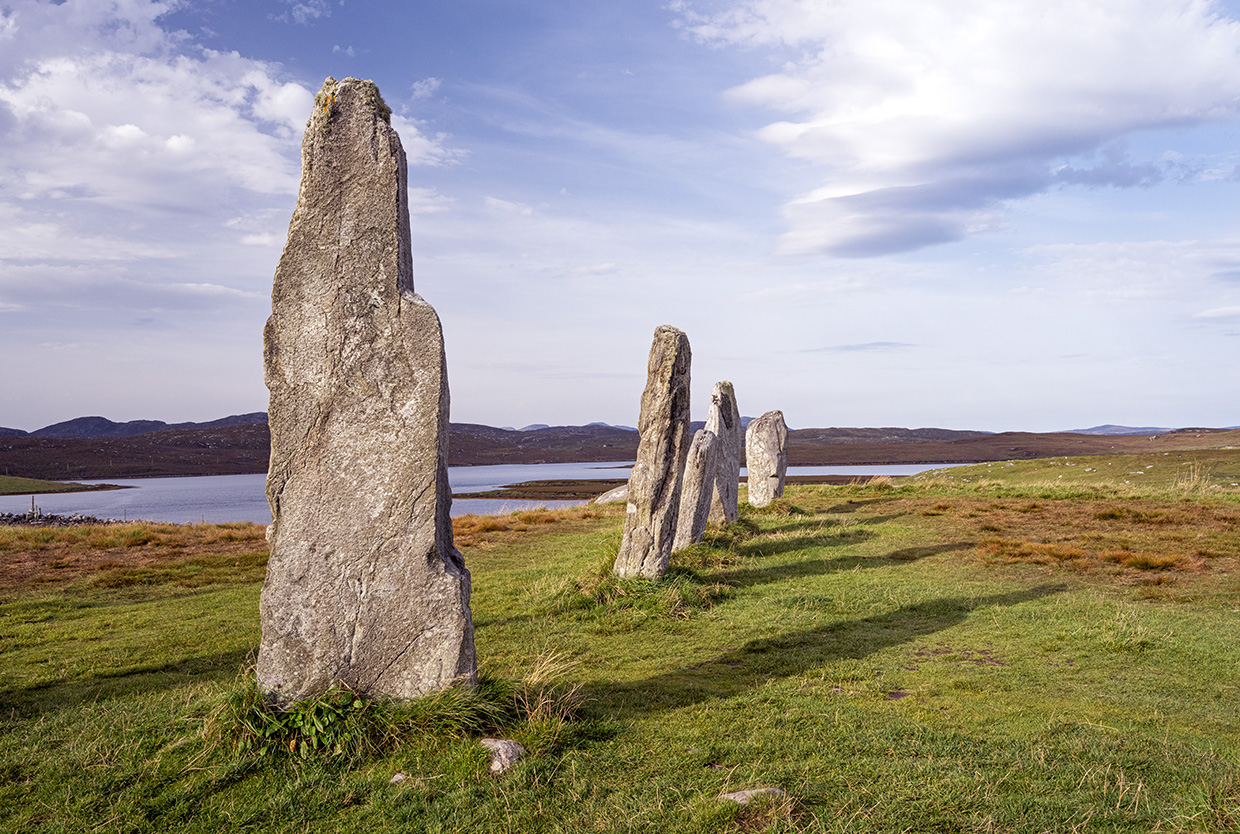
Some of my favorite places in Europe are the Dolomites, Lake Bohinj and the Soča River in Slovenia, the Scottish Highlands, and the beaches of Ireland and Scotland as well as some of the national parks in England.
If you love spending time outdoors, Europe has far more to offer than many travelers realize.
#8 Europe’s national parks are different
Many travelers expect Europe’s national parks to be similar to those in North America.
They’re not.
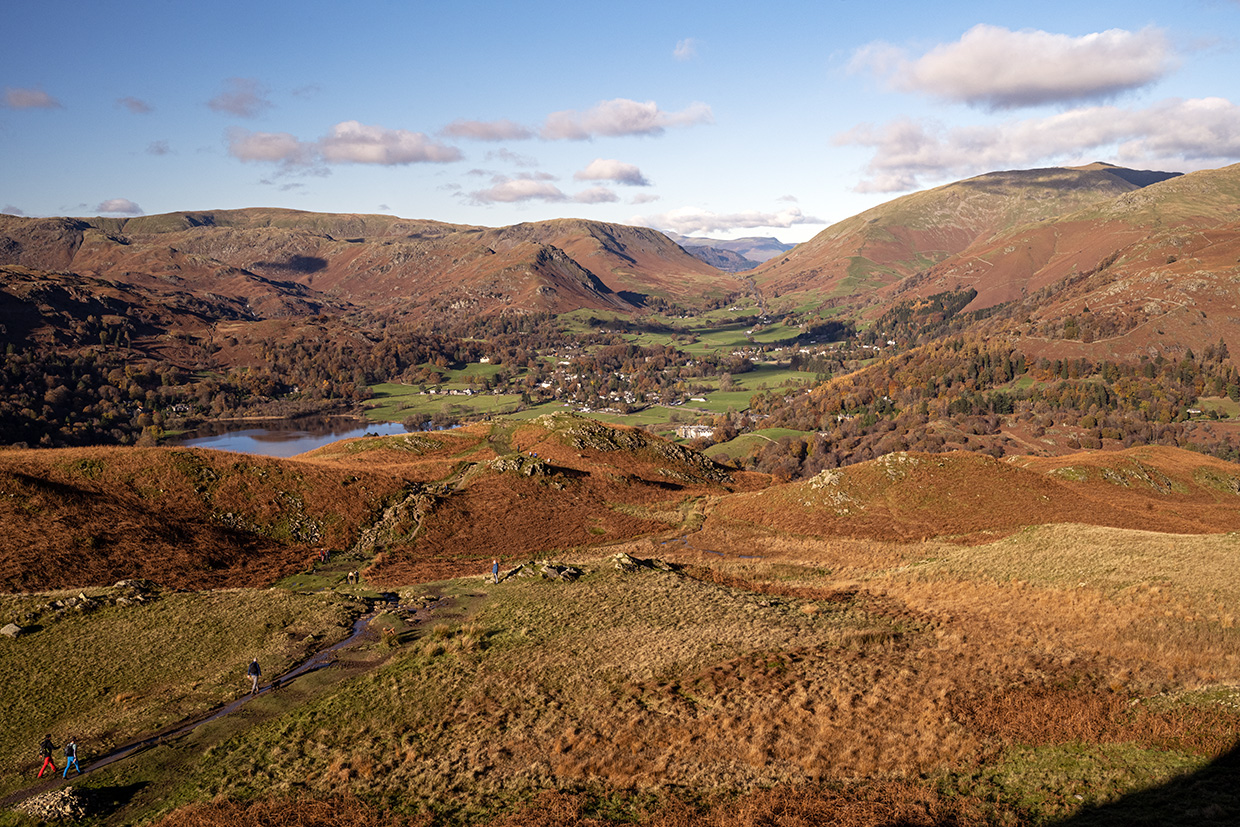
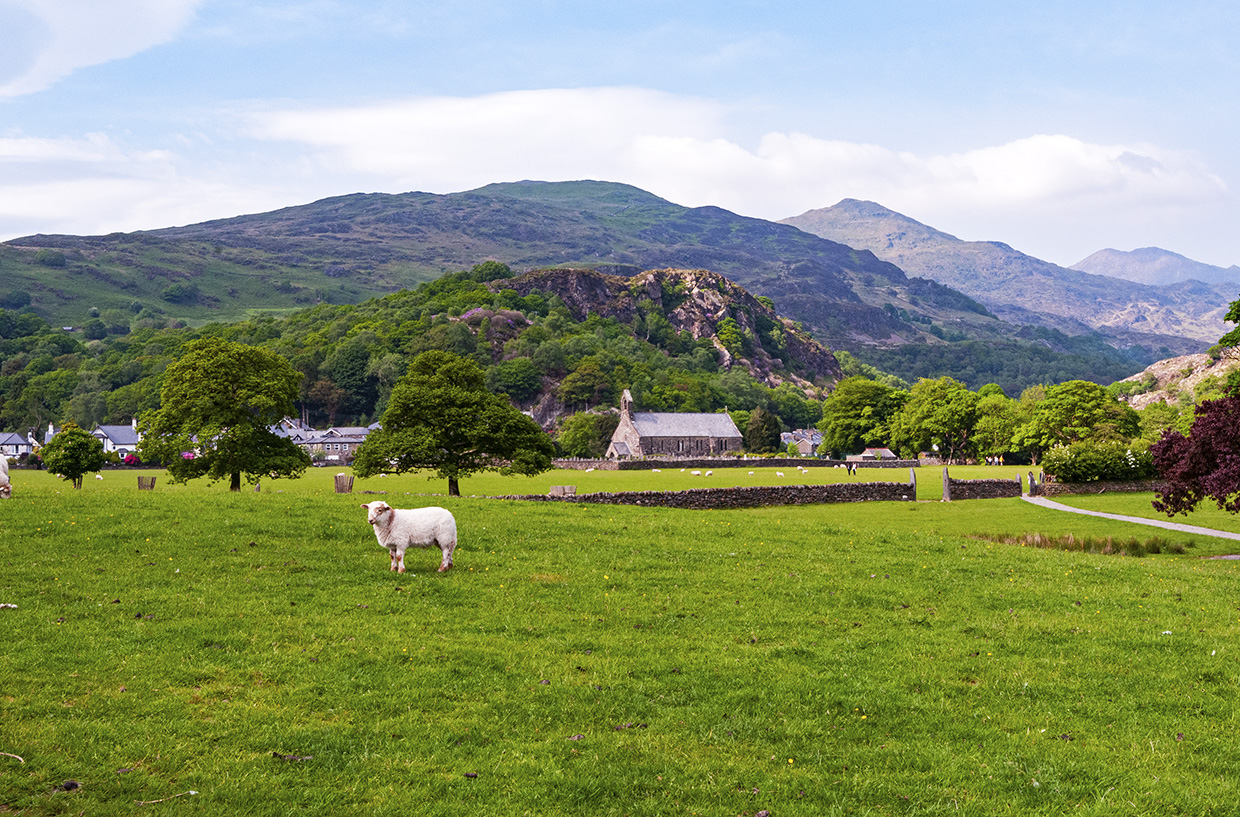
In many European national parks, people actually live inside the parks.
You’ll often find villages, farms, restaurants, cafés, hotels, and centuries of local culture alongside beautiful scenery.
That combination of nature and everyday life is one of the things I love most about exploring Europe’s protected landscapes.
And it makes the national parks very accessible to everyone.
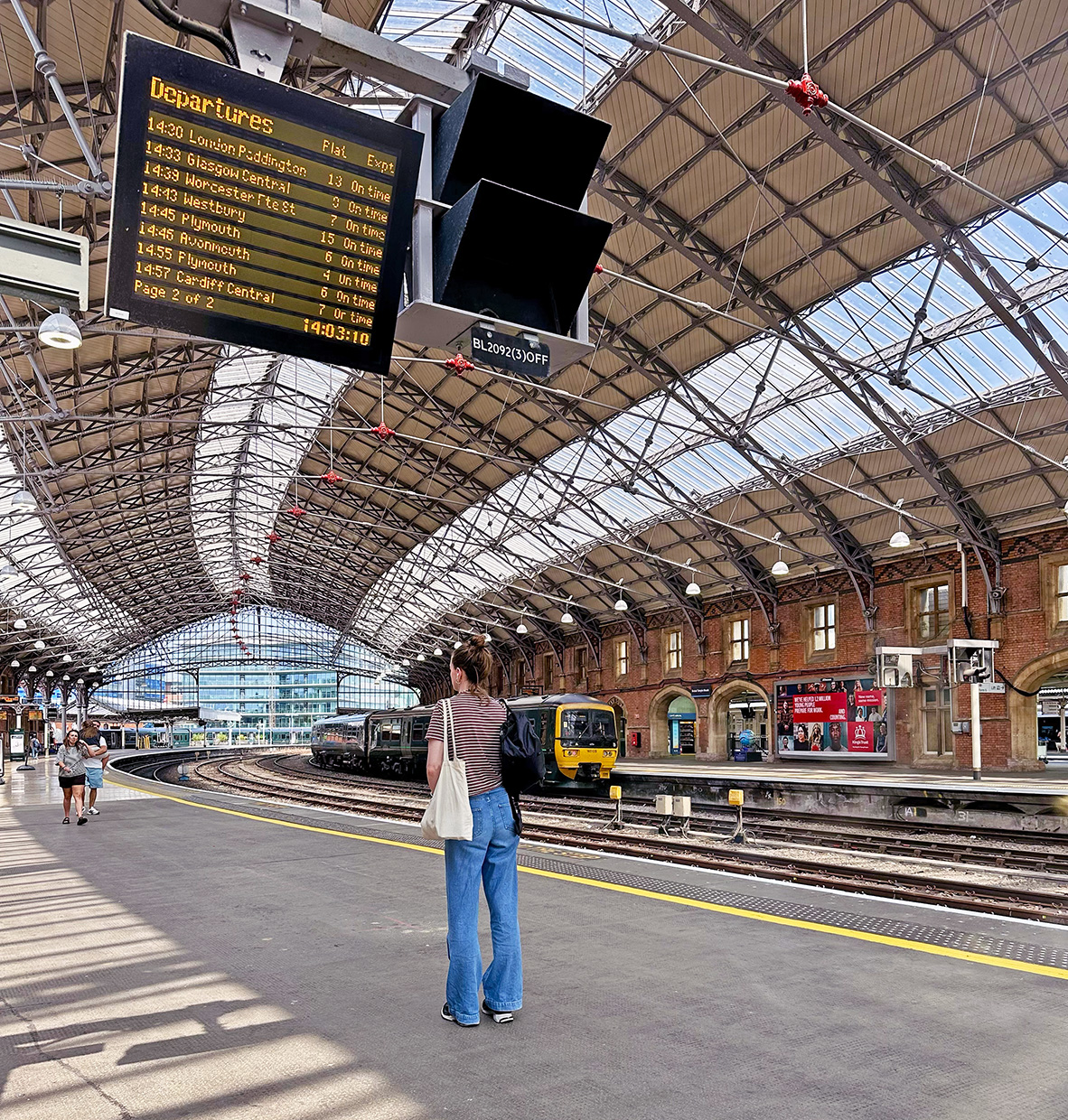
#7 Trains aren’t always the best option
Europe has an excellent rail network in some countries,
Notice I said some.
So not every country has a good rail network.
Switzerland is outstanding.
While countries like France, Germany, and Italy have very good rail systems — at least to parts of the country.
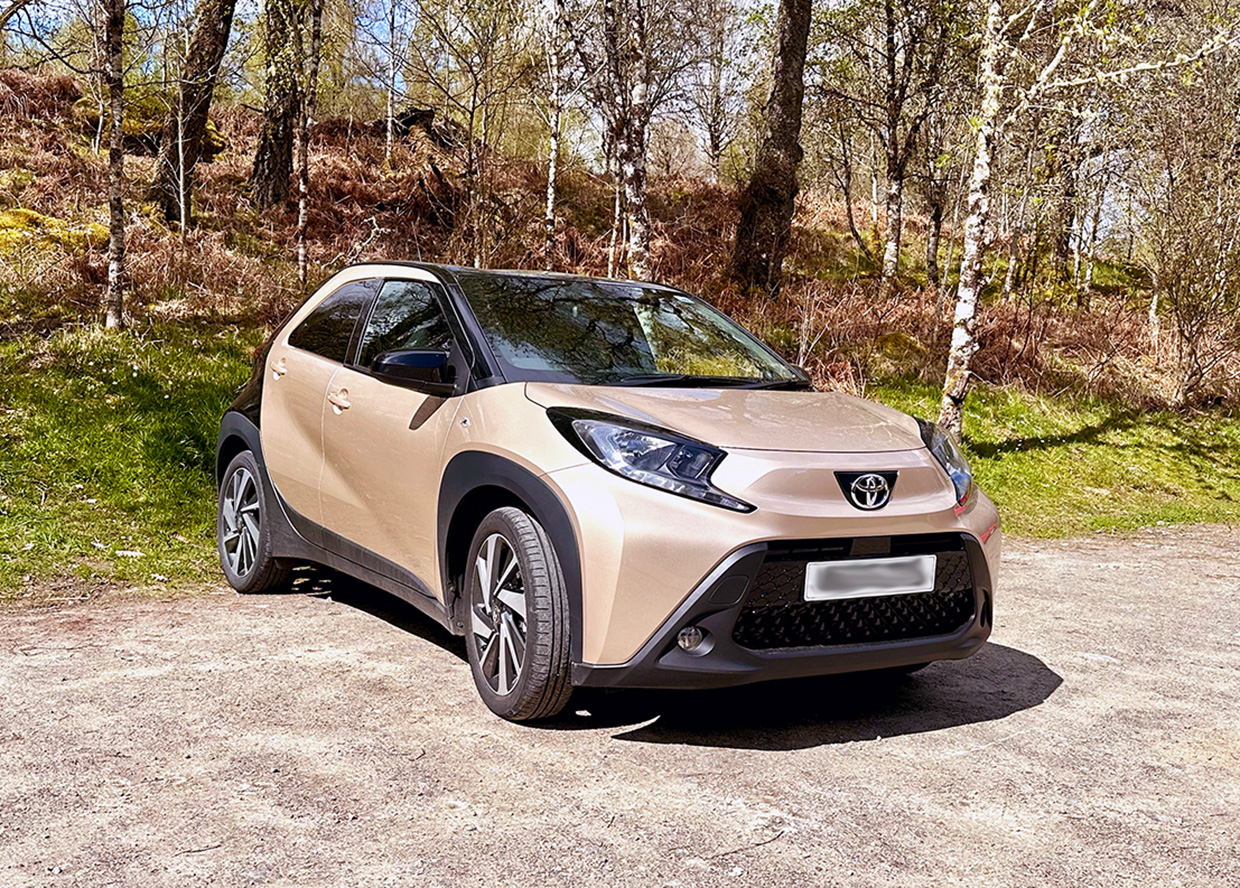
In other places, buses or rental cars may be much more practical — especially if you want to visit smaller towns or rural regions.
Instead of assuming trains are always the answer, choose the transportation that best fits the destination you’re visiting.
Or the other way around — choose destinations that suit how you want to travel.

#6 Europe doesn’t have to be expensive
Yes, Europe can be expensive — especially during peak travel seasons.
But there are plenty of ways to lower your costs.
Traveling during the shoulder season or off season, staying outside major tourist hubs, booking apartments with kitchens, walking whenever possible, or even house sitting can all help stretch your budget.
With a little flexibility, you don’t have to spend a fortune to have an unforgettable trip to Europe.
#5 Distances can be deceiving
One of the biggest mistakes I see is travelers underestimating how long it takes to get from place to place.
European countries may look small on a map, but train journeys, winding country roads, mountain passes, and ferry crossings all add time.
I always joke that Google Maps lies.
Well, not really.
It’s simply calculating your drive based on the posted speed limits.
The reality is that you’re probably not going to drive that fast, especially on narrow, winding roads where you’ll naturally slow down.
And let’s be honest — you’ll probably want to pull over for a scenic viewpoint, wander through a charming village, or stop at that café that caught your eye.
A drive that looks like two hours on Google Maps can easily take three.
That’s why I always recommend building a little extra time into your itinerary.
When you give yourself a little extra time, you’ll spend less time watching the clock and more time enjoying the journey.
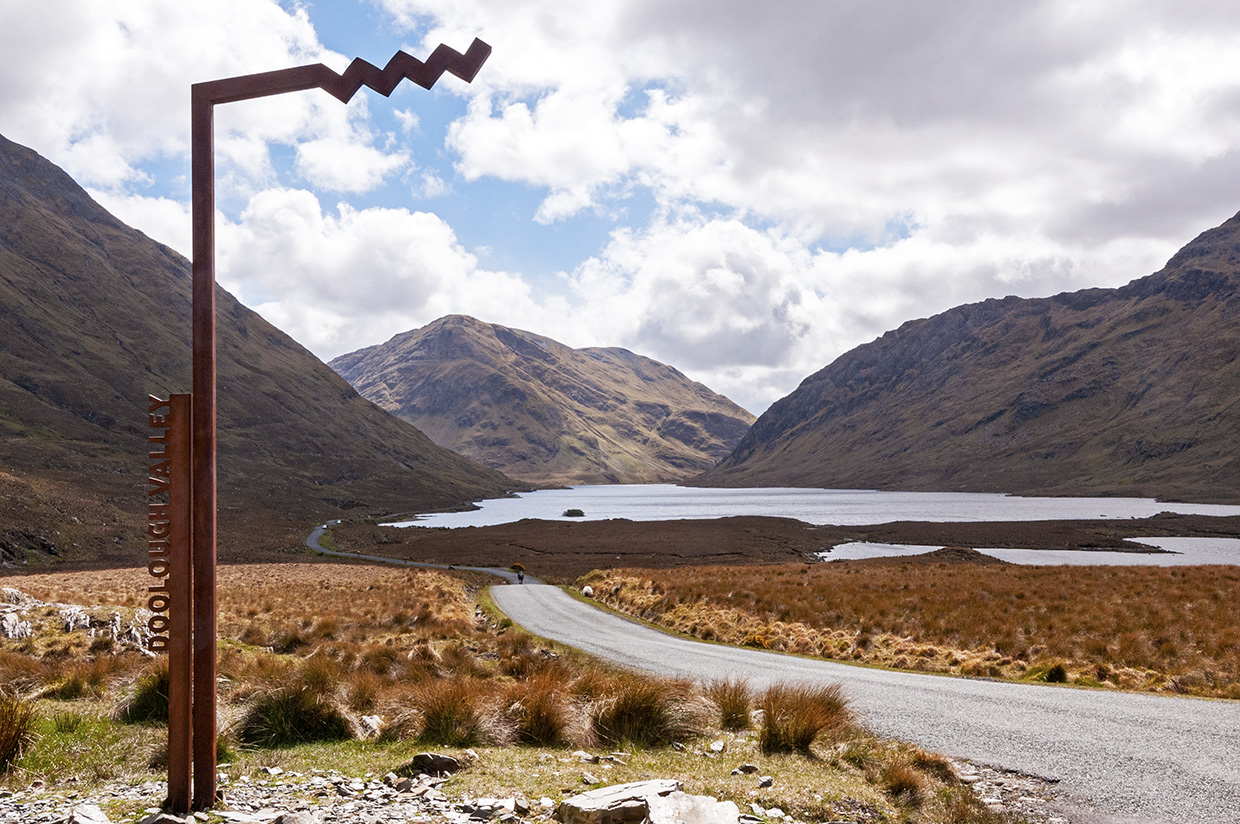
#4 People walk everywhere
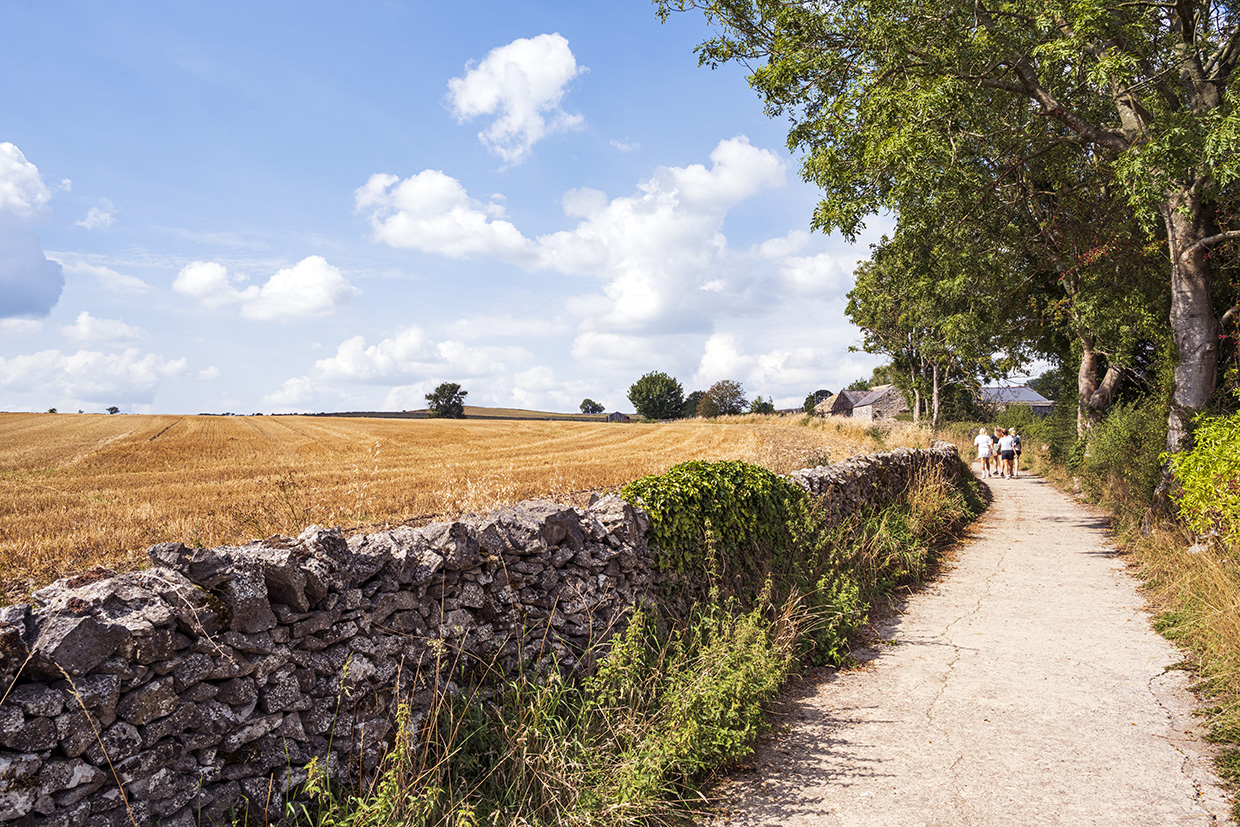
Walking isn’t just something tourists do in Europe.
It’s part of everyday life.
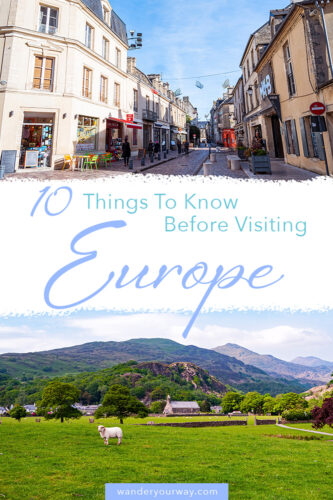
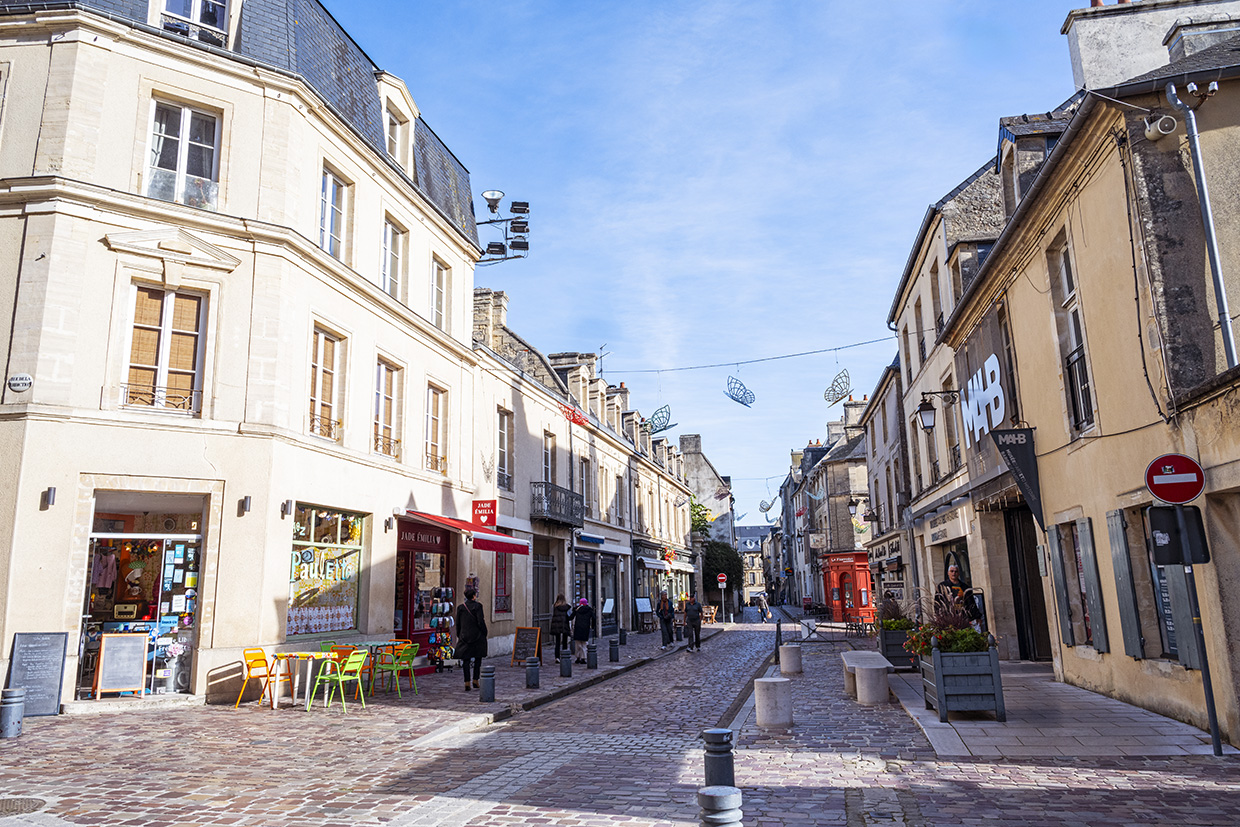
Historic town centers were built long before cars existed, so many places are naturally designed for walking.
Exploring on foot also helps you notice the little things you’d otherwise miss — from hidden lanes and neighborhood cafés to beautiful architecture and local life.
Pack your comfy shoes.
You’ll need ’em!
#3 Every country is unique
Europe isn’t a monolith.
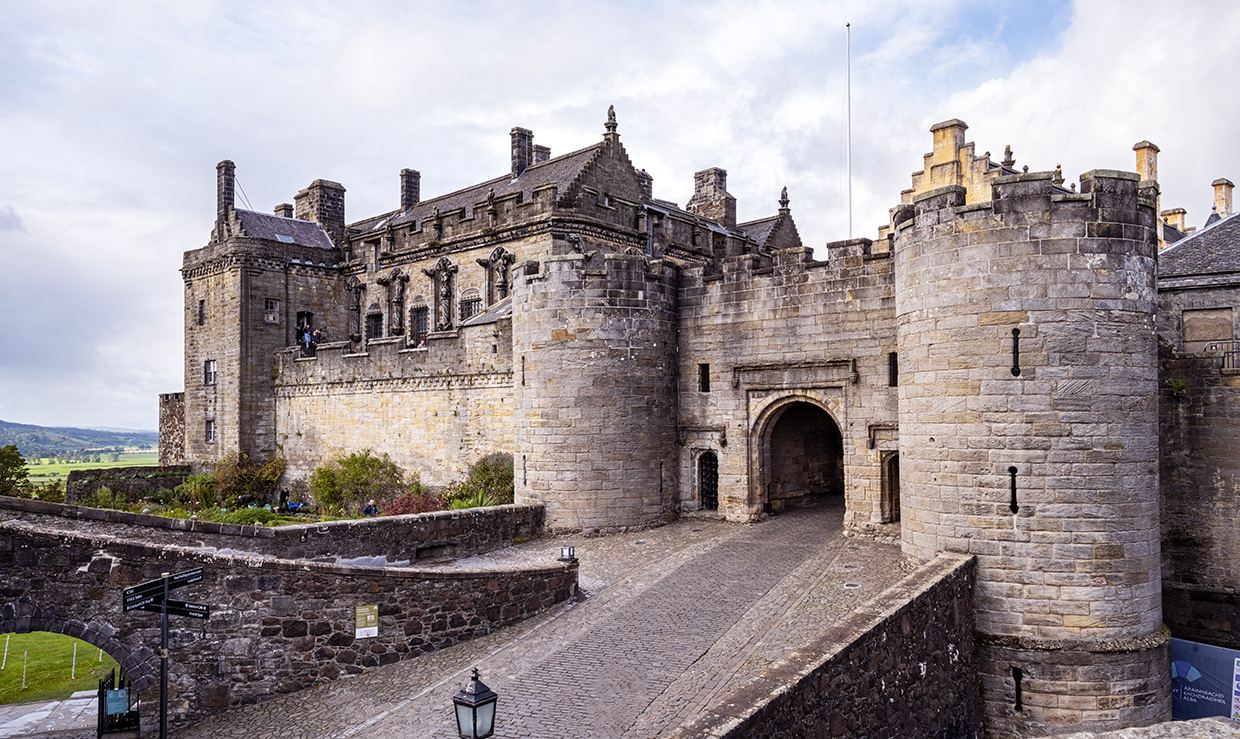
Every country has its own language, history, traditions, cuisine, architecture, and way of life.
Even neighboring countries can feel surprisingly different.
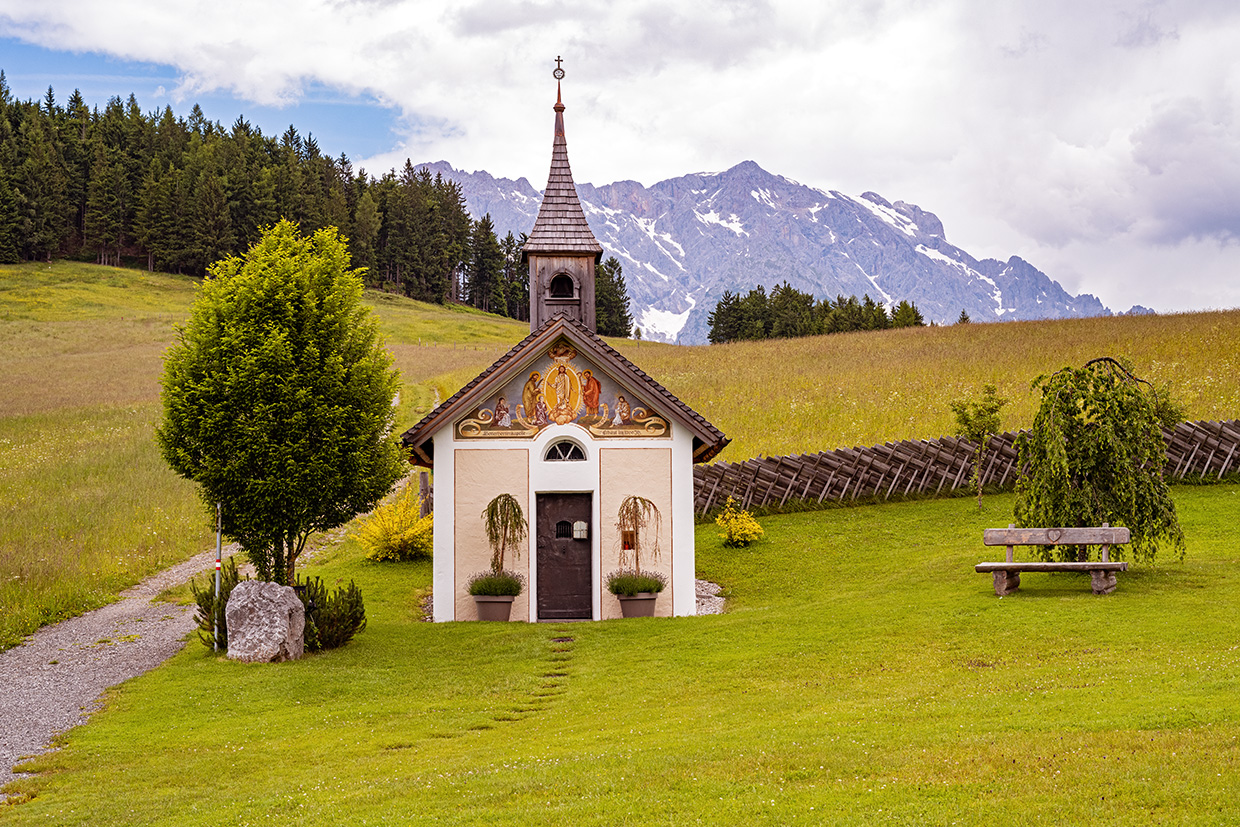
Germany and Austria may seem similar on the surface.
But once you spend time in each, you’ll quickly discover they each have their own distinct culture and personality.
That’s one of the things I love most about traveling in Europe.
Every border crossing feels like the beginning of a new adventure.
#2 You don’t have to see it all
In my experience, one of the biggest mistakes travelers make is trying to cram every famous sight into a single trip.
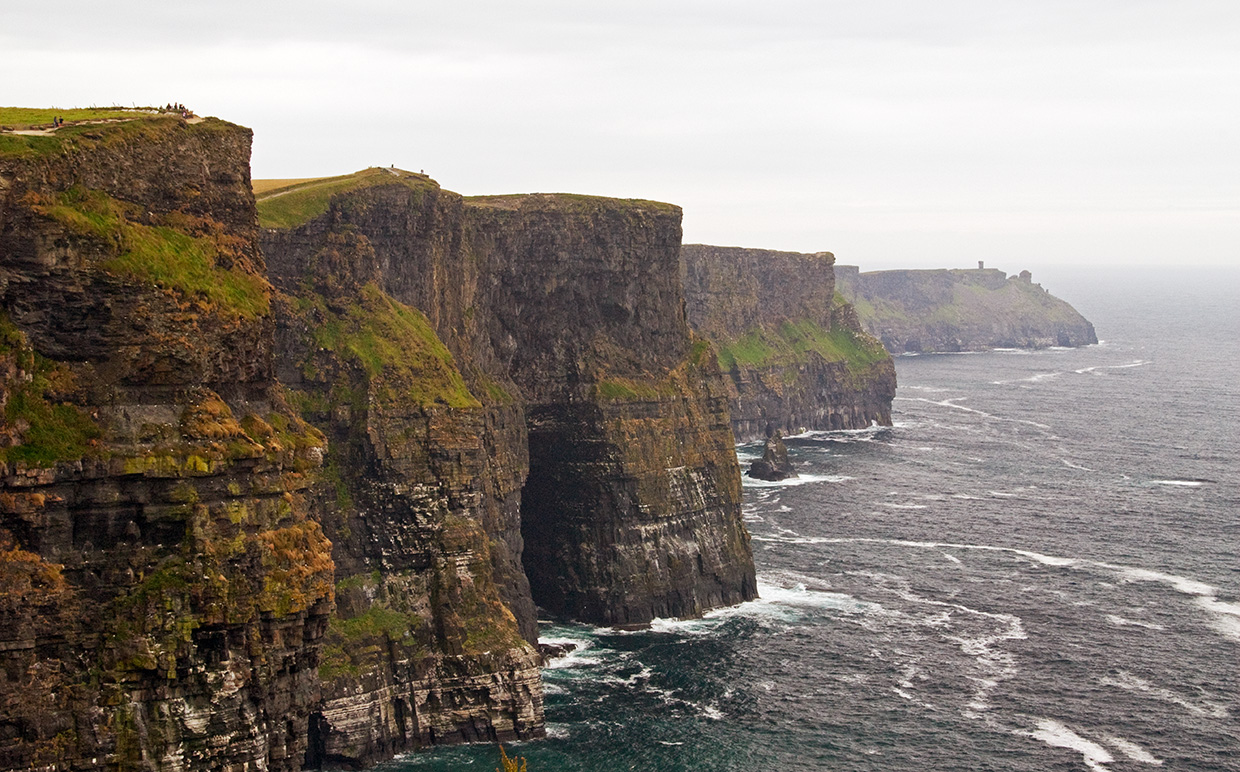
One of my favorite examples is Ireland.
I didn’t visit the Cliffs of Moher until my third trip to the country.
Yup.
Third time.
Yet I never felt like my first two visits were somehow incomplete.
Your trip isn’t more successful because you checked famous landmarks off a list.
Visit the places that genuinely interest you, whether they’re iconic attractions or quiet corners you’ve never heard anyone mention.
Leave yourself a reason to come back.
Europe isn’t going anywhere.
#1 You don’t need to have everything planned
I love planning trips — mine and yours.
But I don’t believe every minute needs to be scheduled.
In fact, quite the opposite.
Leave room for detours and spontaneity.
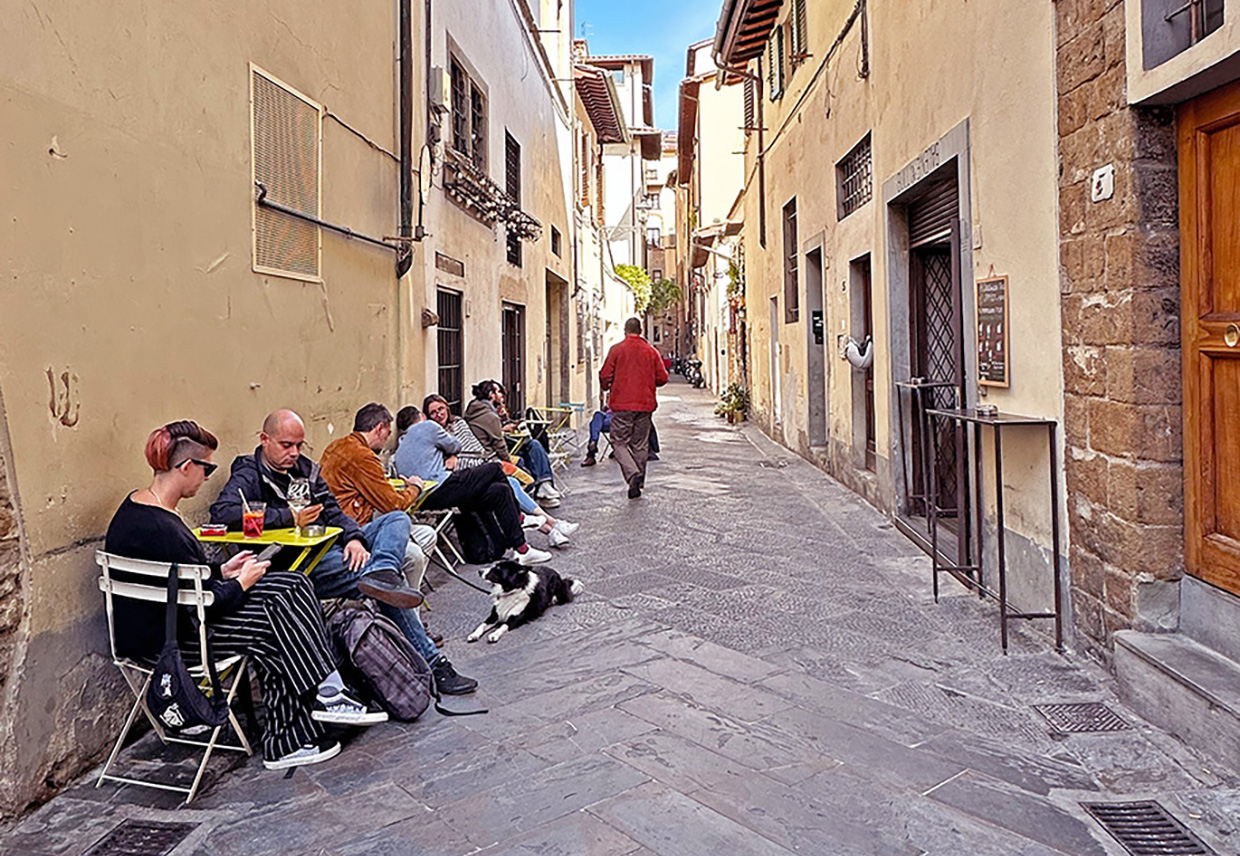
Wander a side street.
Spend an extra hour somewhere you unexpectedly fall in love with.
Stop for coffee at a café that catches your eye.
Some of the very best travel memories happen because you left space for them to happen.
Final thoughts on things I wish more travelers knew about Europe
If there’s one thing I hope you take away from this list, it’s this — travel your way.
Don’t let social media, guidebooks, or someone else’s bucket list determine what your trip should look like.
Build an itinerary around your interests, your pace, and the experiences that matter most to you.
Europe isn’t a checklist to complete.
It’s a place to experience — one meaningful moment at a time.
Disclaimer: This post contains affiliate links. This means I will earn a commission – at no extra cost to you — if you click on the link and purchase anything from these trusted companies. It helps Wander Your Way, a small business, stay in business. Thanks for your support!
Like it? Pin it!