
Fascinating Portugal Beyond the Tourist Trail with Julie Fox

Portugal is a fascinating country, but there is so much more to discover beyond Lisbon, Porto, and the Algarve.
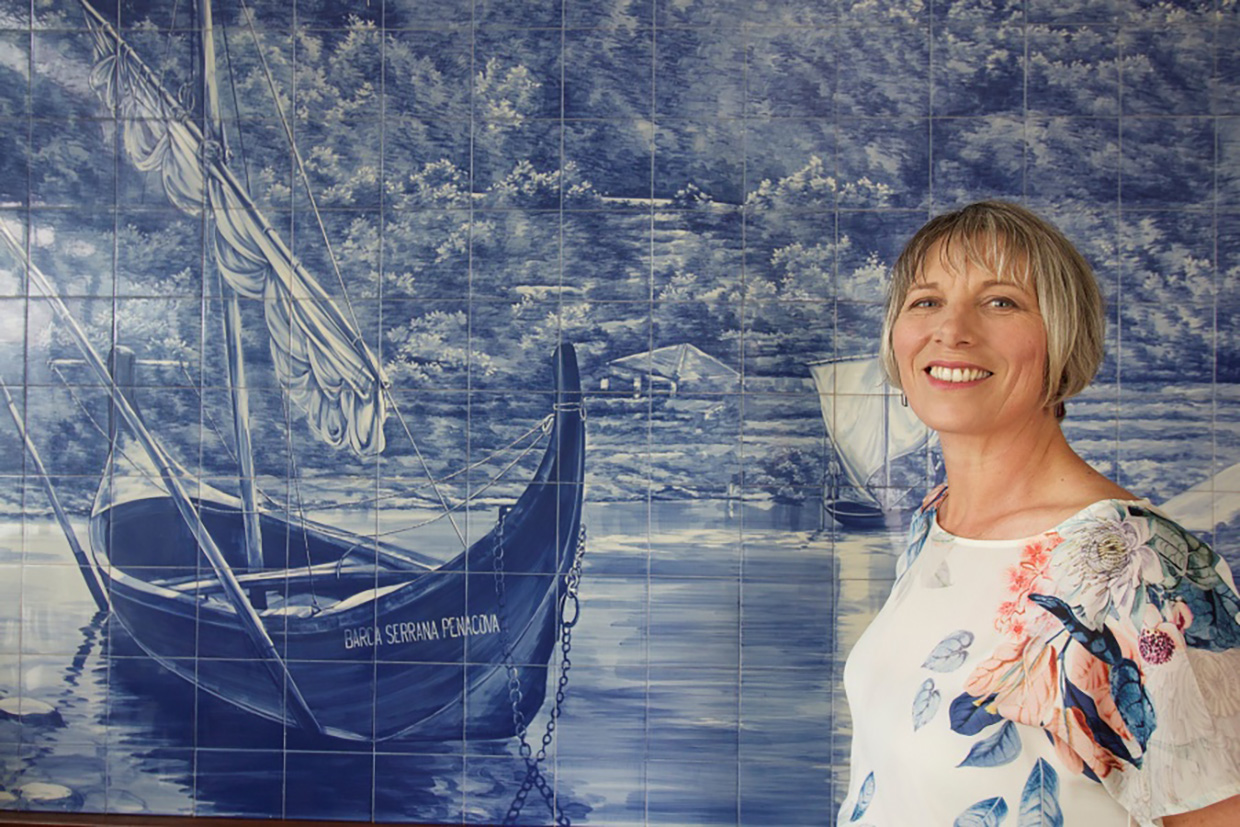
In this episode, I’m joined by Portugal travel expert Julie Fox of Julie Dawn Fox in Portugal, who has called Portugal home for nearly 20 years.
Julie shares how she ended up moving from the UK to Portugal, why the country immediately felt like home, and what has kept her there ever since.
Together we explore some of Portugal’s lesser-known destination — from charming riverside towns and medieval villages to beautiful natural areas filled with walking trails and stunning scenery.
Along the way, Julie introduces us to places such as Ponte de Lima, Buçaco National Forest, Marvão, Alcobaça, Monchique, Penha Garcia, and several coastal communities that offer a quieter and more authentic experience of Portugal.
We also discuss Portugal’s only national park — Peneda-Gerês National Park, scenic hiking trails (Julie is a keen hiker), and practical tips for travelers who want to venture beyond the country’s biggest cities.
Julie shares advice on the best time to visit, whether a rental car is worth it, and how to make the most of Portugal’s incredible mix of history, culture, nature, and outdoor adventure.
If you enjoy slower travel, spending time outdoors, discovering charming small towns, and getting beyond the usual stops, this episode will inspire you to explore a different side of fascinating Portugal.
Want to chat more about Portugal?
Send me a note at Lynne@WanderYourWay.com
In this episode:
1:32: Introducing Julie Fox
4:24: Julie’s travel story
10:21: Lisbon & Porto
16:27: North Portugal: Ponte de Lima
20:09: Peneda-Gerês National Park
23:45: Central Portugal: Buçaco National Forest
28:36: Eastern Border: Penha Garcia
32:39: Central: Alcobaça
38:09: Moving South: Alentejo Region
49:10: Algarve Region: Monchique & Alvor
57:12: Additional hiking
1:02:21: Travel tips plus a few more spots
1:13:13: Wrapping it up
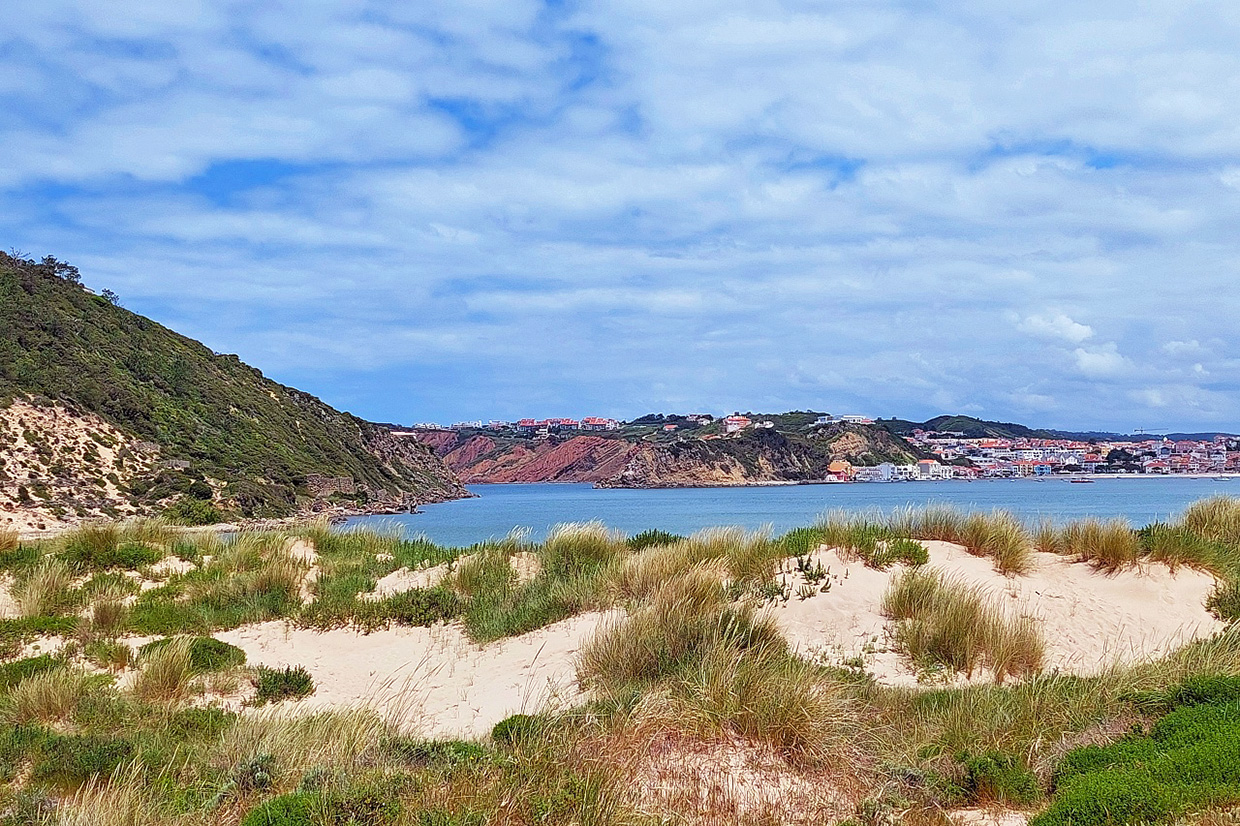

Fascinating Portugal Beyond the Tourist Trail with Julie Fox
(For those who prefer to read)
When most travelers think of Portugal, places like Lisbon, Porto, and the Algarve immediately come to mind.
While those destinations are certainly worth visiting, there is another side of Portugal waiting to be discovered.
As I chatted with Portugal travel expert Julie Fox of Julie Dawn Fox in Portugal, I learned a lot about this fascinating western European country—especially some of its lesser-known outdoor destinations, charming small towns, and places that offer a deeper connection to the landscape and culture.
Julie’s story
Julie may be a Portugal travel expert today, but she didn’t grow up traveling the world.
As a child in the UK, most family holidays were spent visiting relatives rather than exploring new destinations.
In fact, she didn’t take her first flight until she was in her early twenties.
That first trip sparked a love of travel that eventually led her to leave a banking career behind and spend 18 months backpacking around the world.
After living and working in Spain, Tanzania, and Venezuela teaching English, Julie accepted a teaching position in Coimbra, Portugal, in 2007.
What was supposed to be another move abroad turned into something much more.
Portugal immediately felt like home.
Now almost 20 years later, she is still there.
And she has spent those years exploring the country’s cities, villages, mountains, coastlines, and walking trails.
This depth of experience gives her a unique perspective on Portugal and the lesser-known places that many travelers never discover.
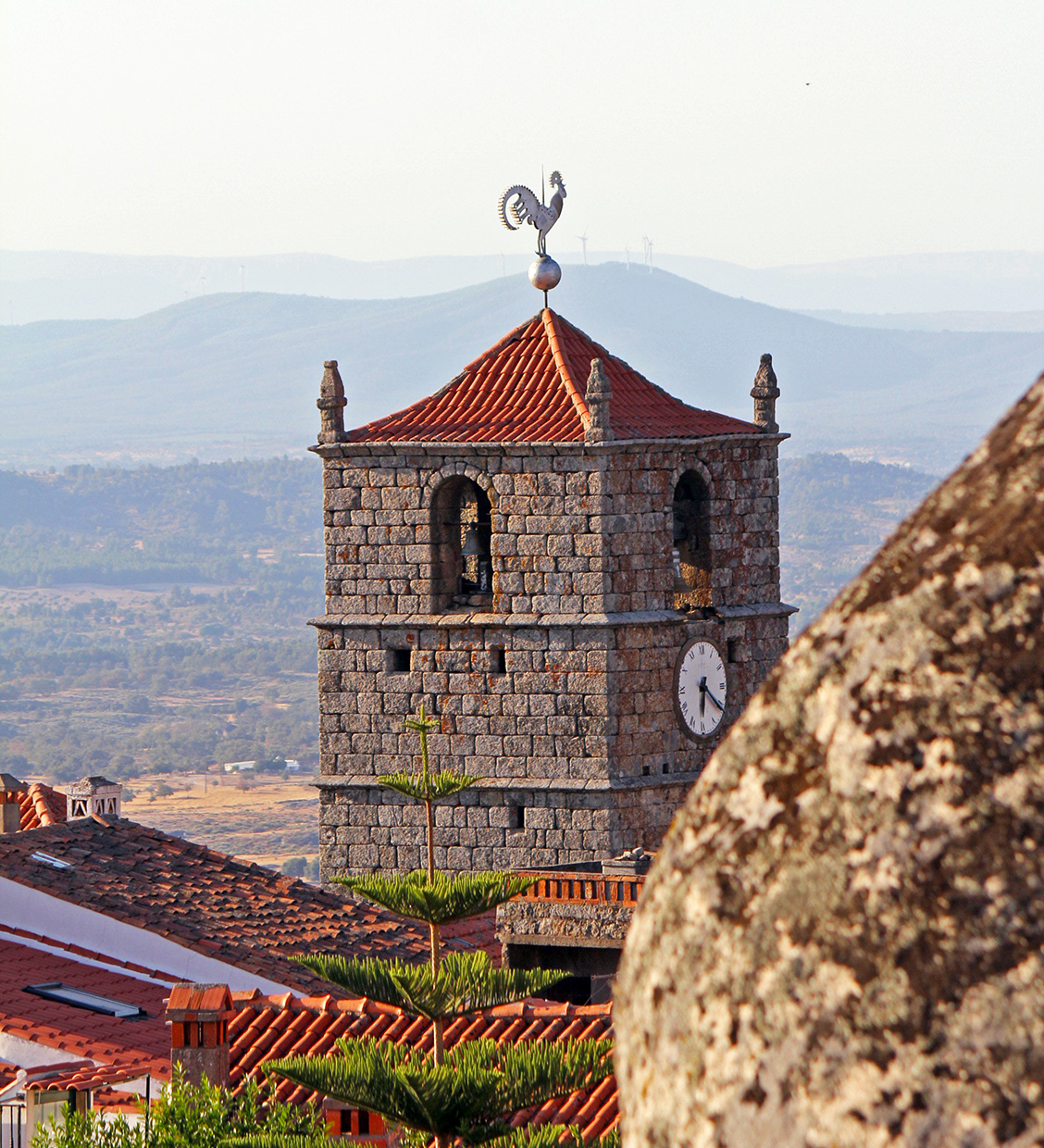
Start with Lisbon and Porto but go further
For first-time visitors, Lisbon and Porto deserve a place on the itinerary.
Both cities offer beautiful architecture, vibrant neighborhoods, excellent food, and plenty of history.
Lisbon may be your gateway so you will want to spend at least a day there.
Its colorful streets, historic districts, and riverside setting make it easy to understand why so many travelers fall in love with it.
Porto — Portugal’s second city — charms travelers with its compact center, atmospheric streets, and access to the Douro Valley — for you wine lovers.
But as Julie points out, some of Portugal’s most rewarding experiences begin once you leave the major cities behind.
You know I completely agree with this sentiment.
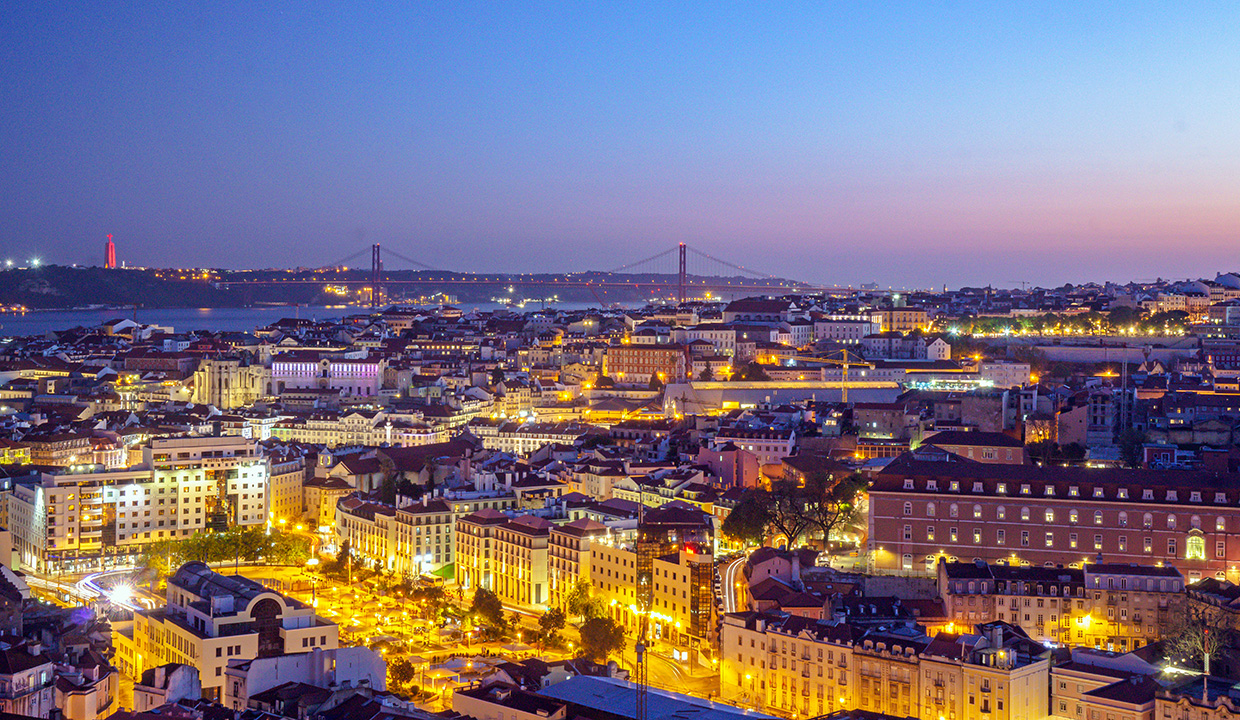
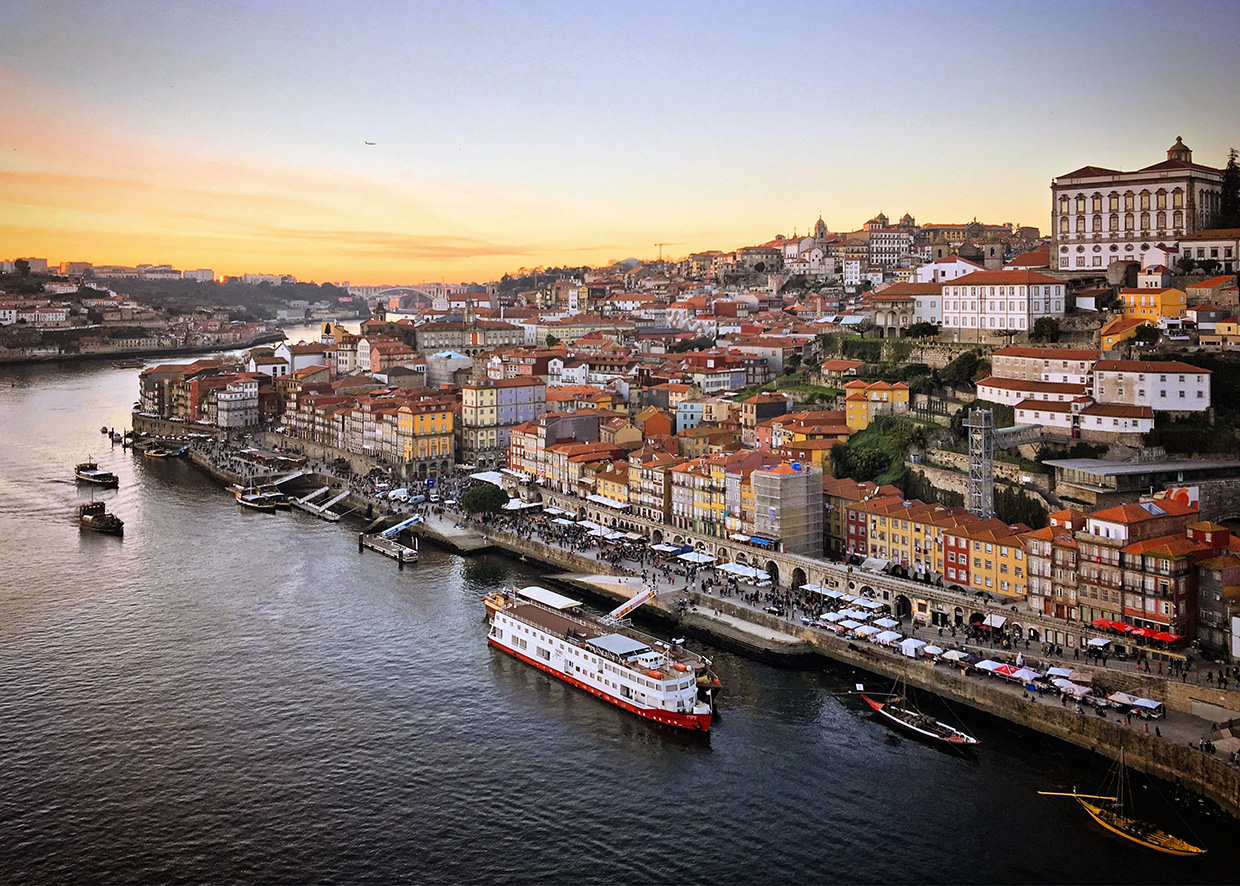
Discover Northern Portugal’s green landscapes
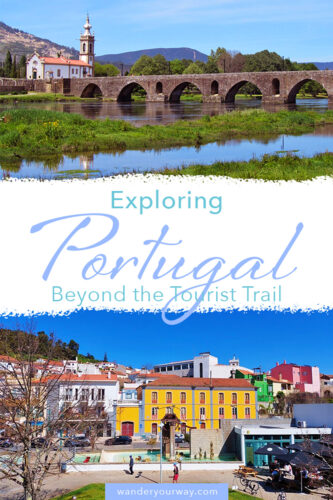
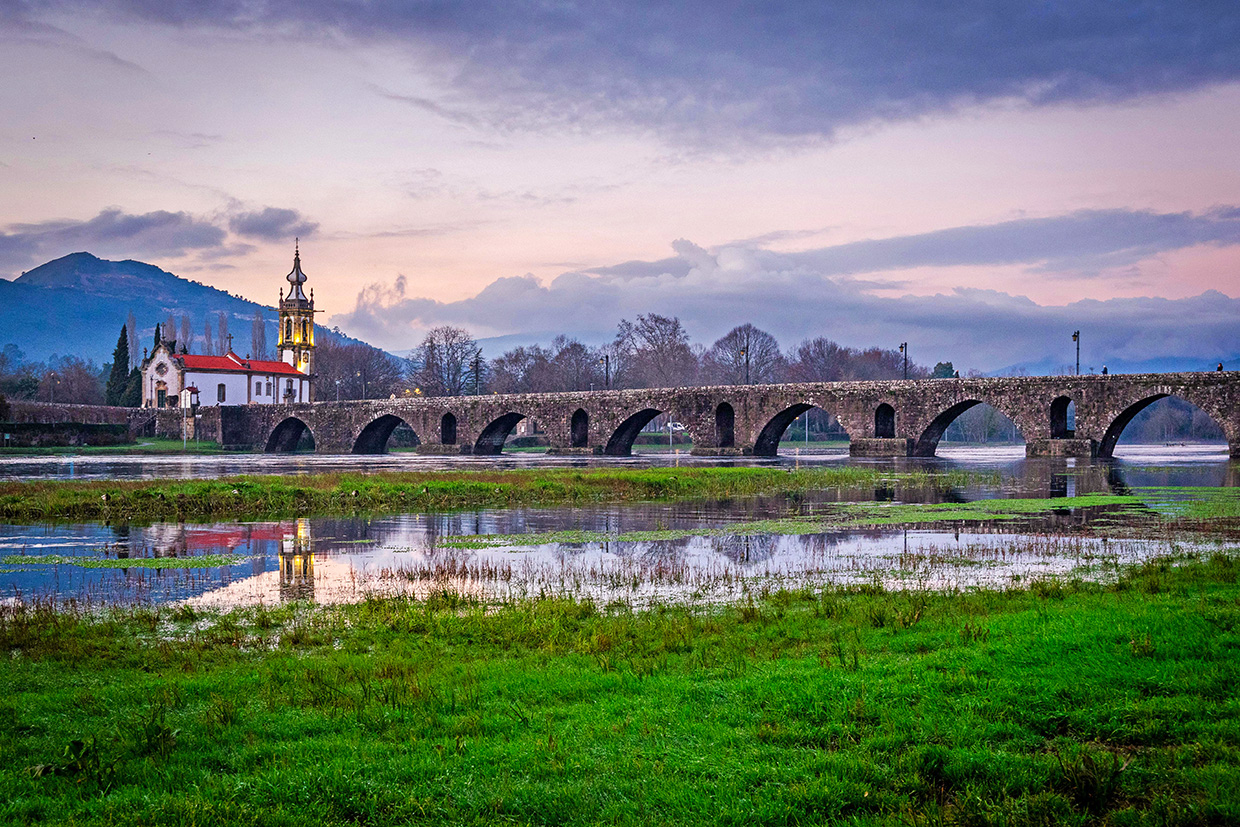
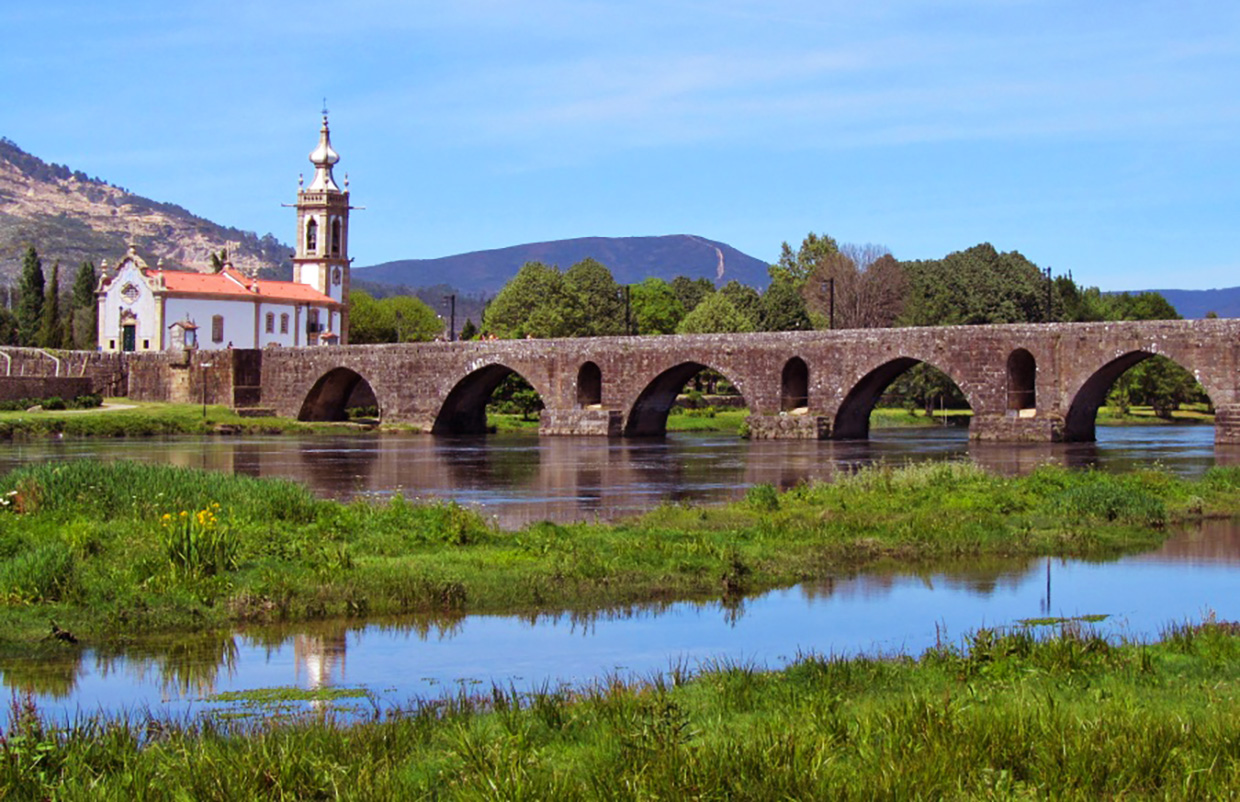
One of Julie’s favorite places in northern Portugal is Ponte de Lima, a charming riverside town rich in both Roman and Medieval history.
Located in the Minho region, Ponte de Lima offers a slower pace and serves as an excellent base for exploring the surrounding countryside.
There are a plethora of salking and cycling trails through the region, including sections of the Camino de Santiago.
So if walking a piece of this iconic long-distance trail strike your fancy, this is an excellent area to do so.
Vineyards, rolling hills, and traditional villages make this one of those regions that encourages travelers to linger a little longer.
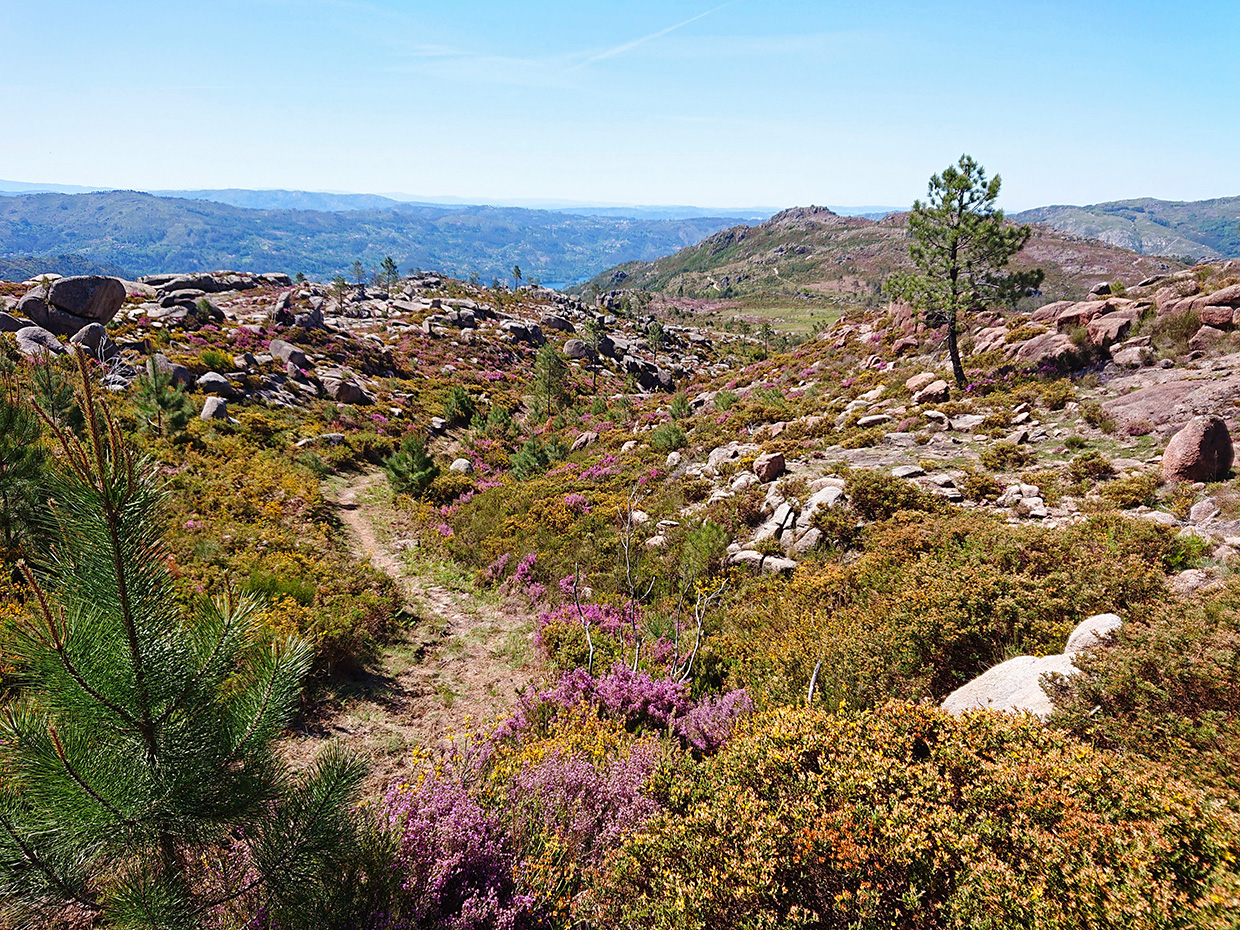
The nearby Peneda-Gerês National Park is another highlight.
As Portugal’s only national park, it offers dramatic landscapes, mountain villages, walking trails, forests, reservoirs, and incredible viewpoints.
For travelers who enjoy hiking, nature, and quieter corners of Europe, this region deserves serious consideration.
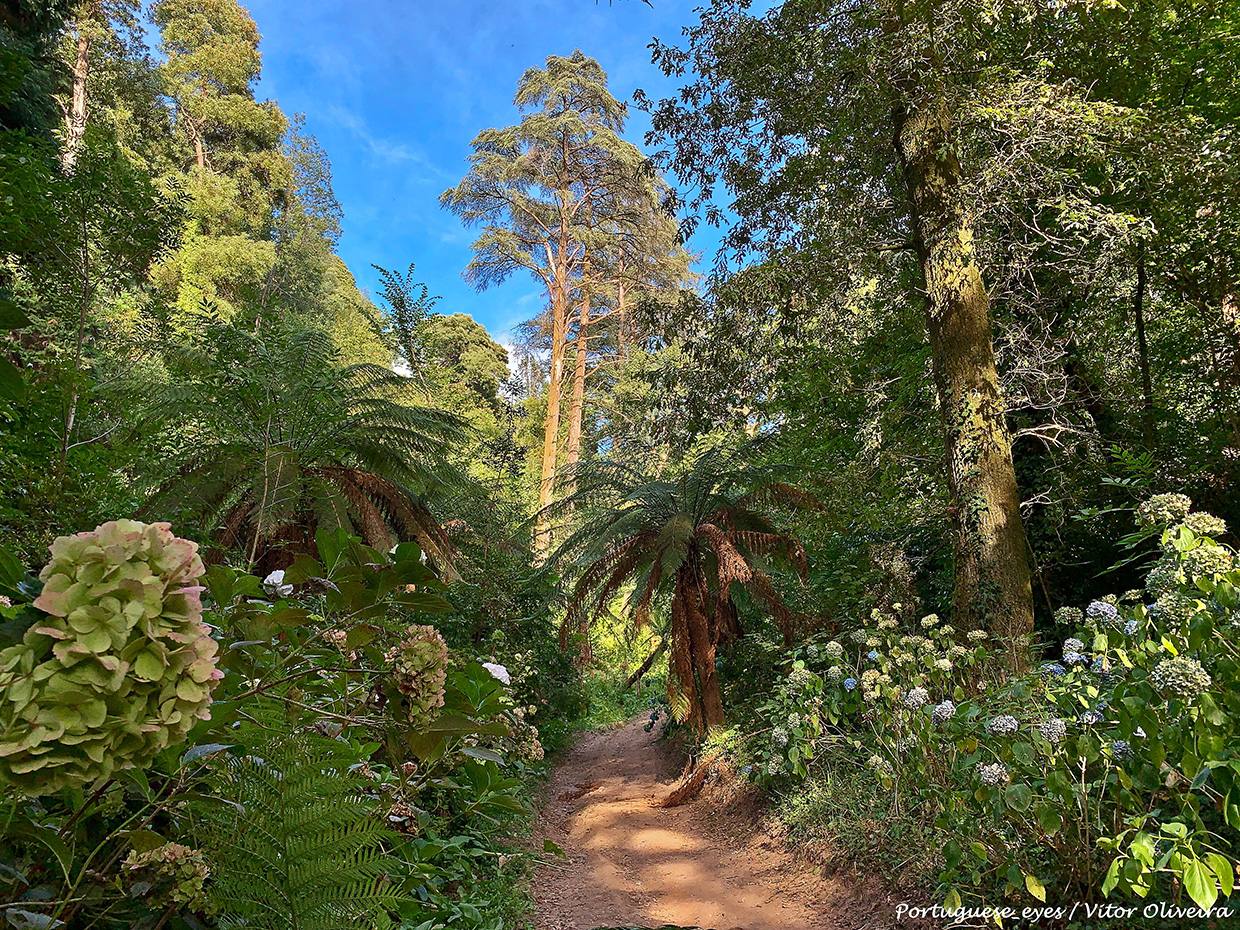
Step into the forest at Buçaco
In central Portugal, Julie recommends a visit to Buçaco Forest, one of the country’s most enchanting natural areas.
Created centuries ago by Carmelite monks, the forest contains an incredible collection of native and exotic trees.
Walking through the shaded trails feels almost magical, with towering trees, hidden pathways, and peaceful surroundings.
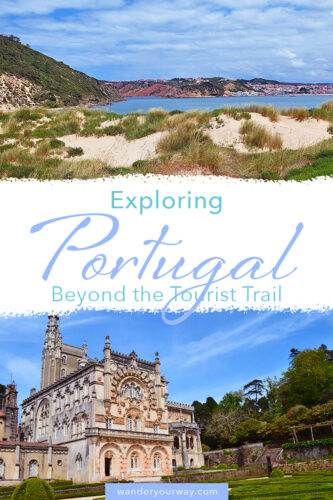
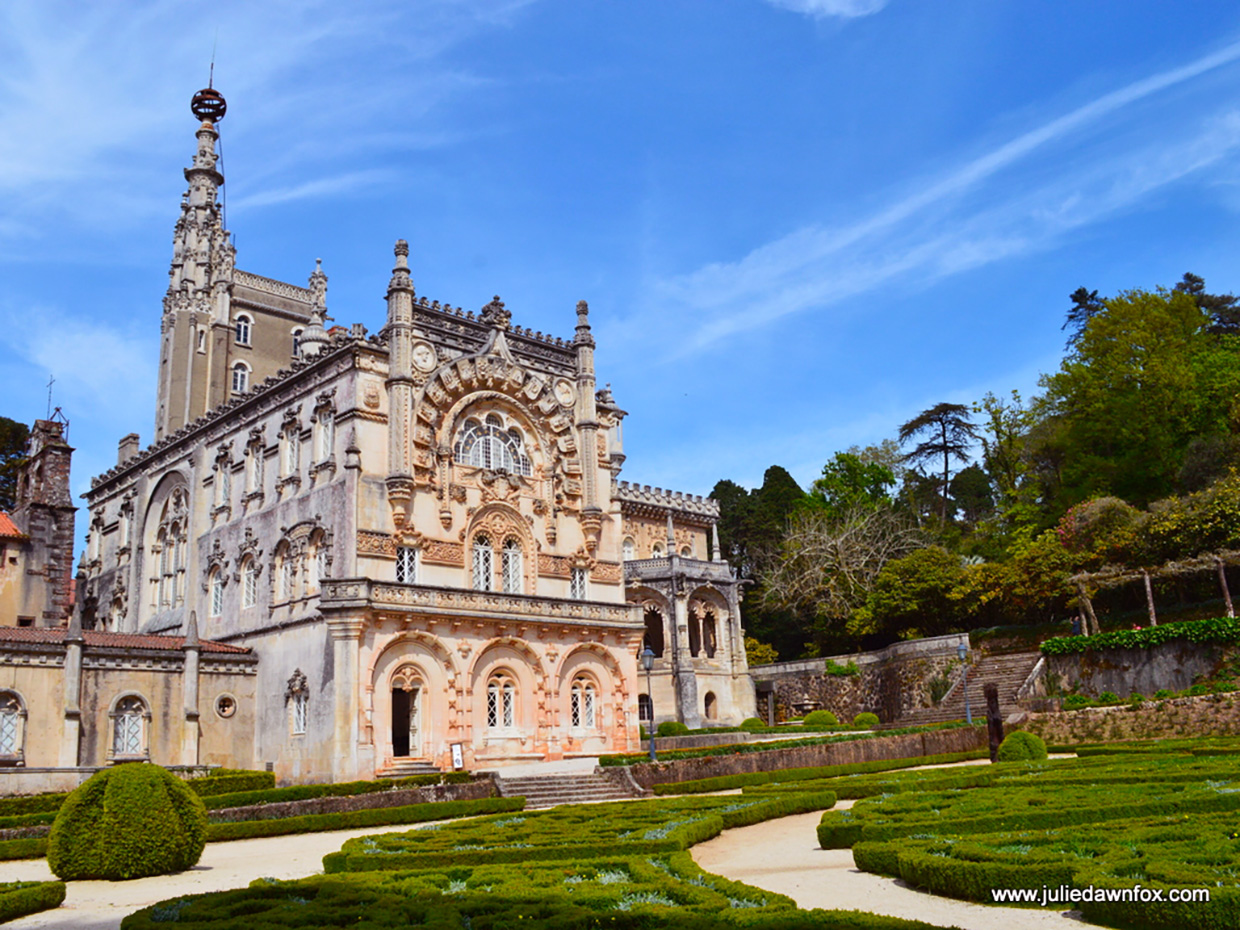
Making this unique destination even more magical is the stunning Buçaco Palace — a former royal retreat known for its elaborate Manueline architecture.
Hiking trails lead through the forest and eventually climb to viewpoints that stretch across the surrounding countryside.
For travelers who enjoy combining nature, history, and beautiful architecture, Buçaco offers all three in one memorable destination.
See…soft adventure!
Explore Portugal’s historic villages
Some of Portugal’s most fascinating places are found in its smaller villages.
Penha Garcia, located near the Spanish border, combines history, geology, and beautiful walking trails.
Visitors can explore the remains of a castle, discover ancient fossils embedded in the landscape, and follow trails that pass old watermills and rural scenery.
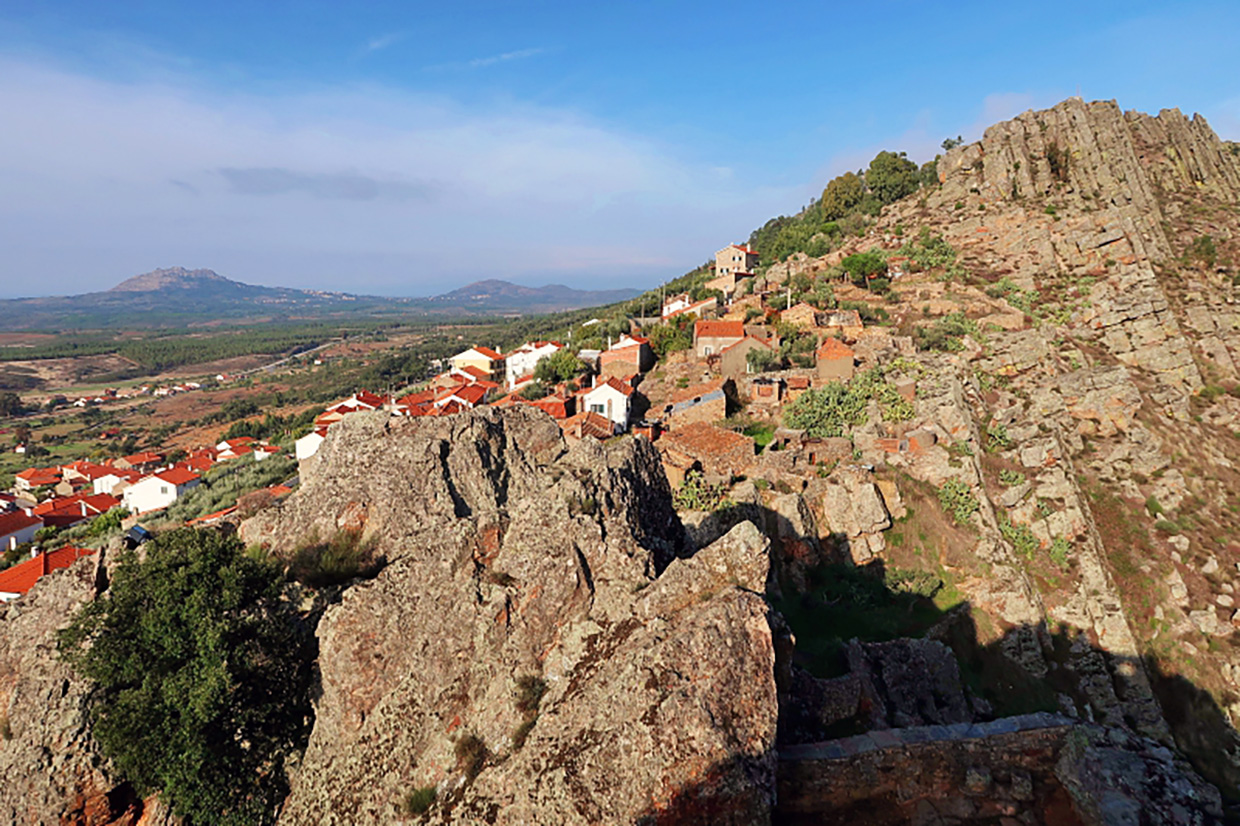
Nearby Monsanto is perhaps one of Portugal’s most unique villages.
Massive granite boulders seem to grow directly out of the landscape, with homes built around and beneath them.
The result is a village unlike any other in Europe.
These are the kinds of places where wandering the streets is often the best activity.
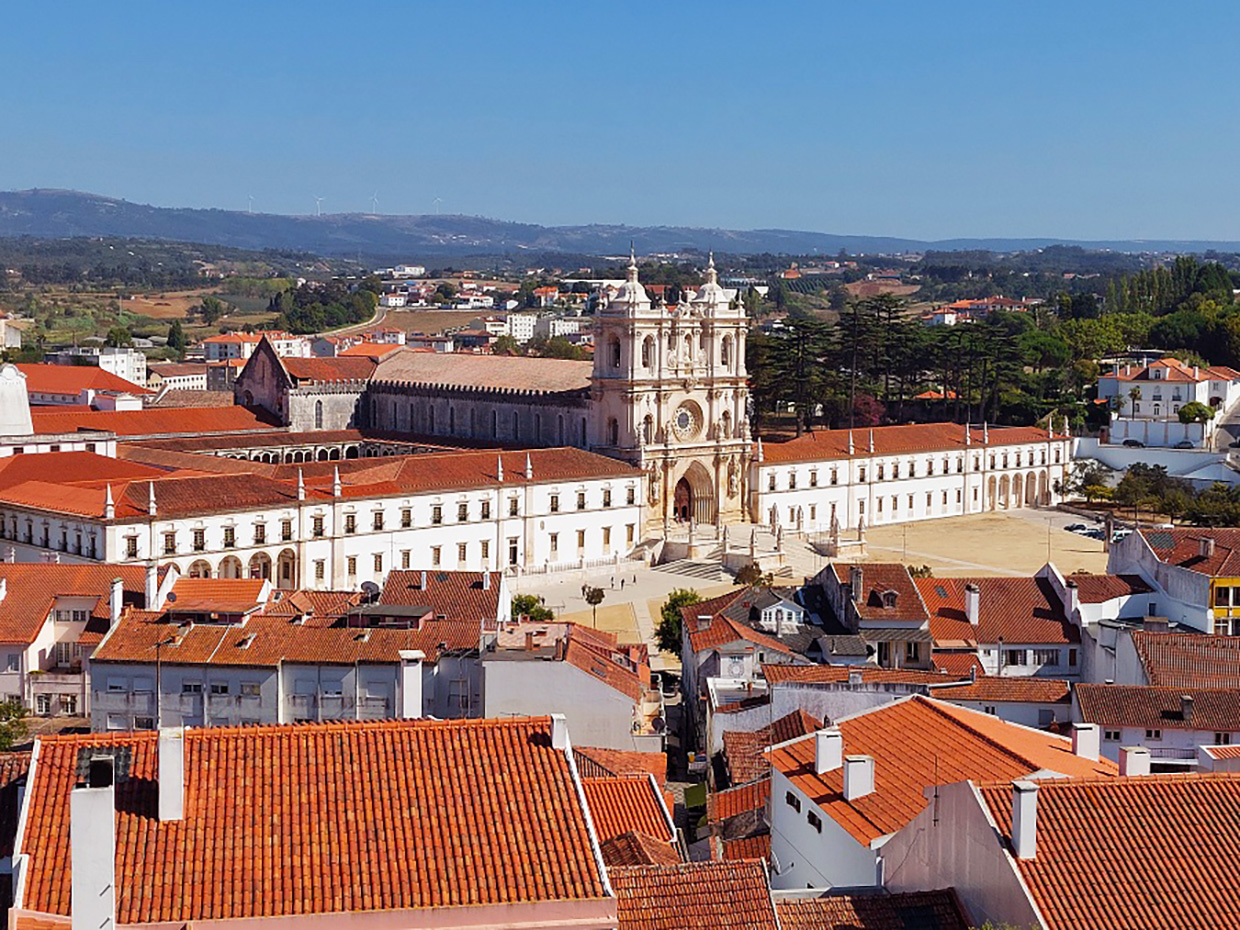
Make Alcobaça more than a day trip
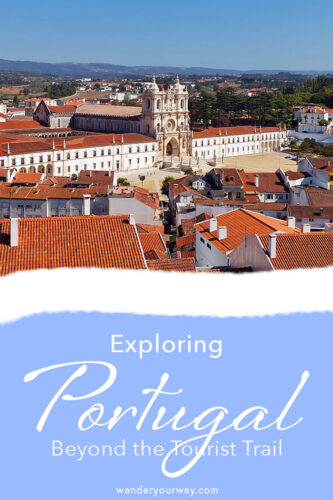
Many visitors stop in Alcobaça to see its impressive monastery before moving on.
Julie believes the town deserves a longer stay.
The Monastery of Alcobaça is one of Portugal’s most important historic sites.
And this town is also the home to the tombs of Pedro and Inês, whose tragic love story is often described as Portugal’s version of Romeo and Juliet.
Beyond the monastery, Alcobaça offers local markets, ceramics, traditional pastries, and easy access to the surrounding countryside and coastline.
It also works well as a base for exploring nearby towns and natural areas.
Sometimes the places that receive day-trippers can be the most rewarding places to spend the night once the crowds leave.
It will be you and the locals.

The Alentejo region deserves some time
The Alentejo region — a place that I’d love to visit — makes up a huge portion of Portugal.
Yet it remains overlooked by many international visitors.
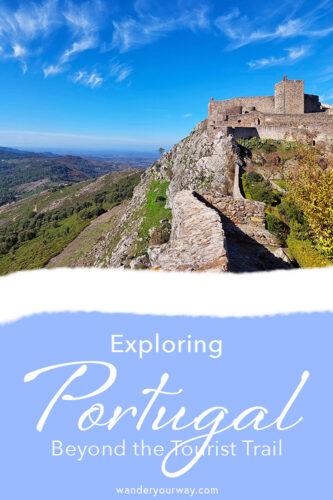
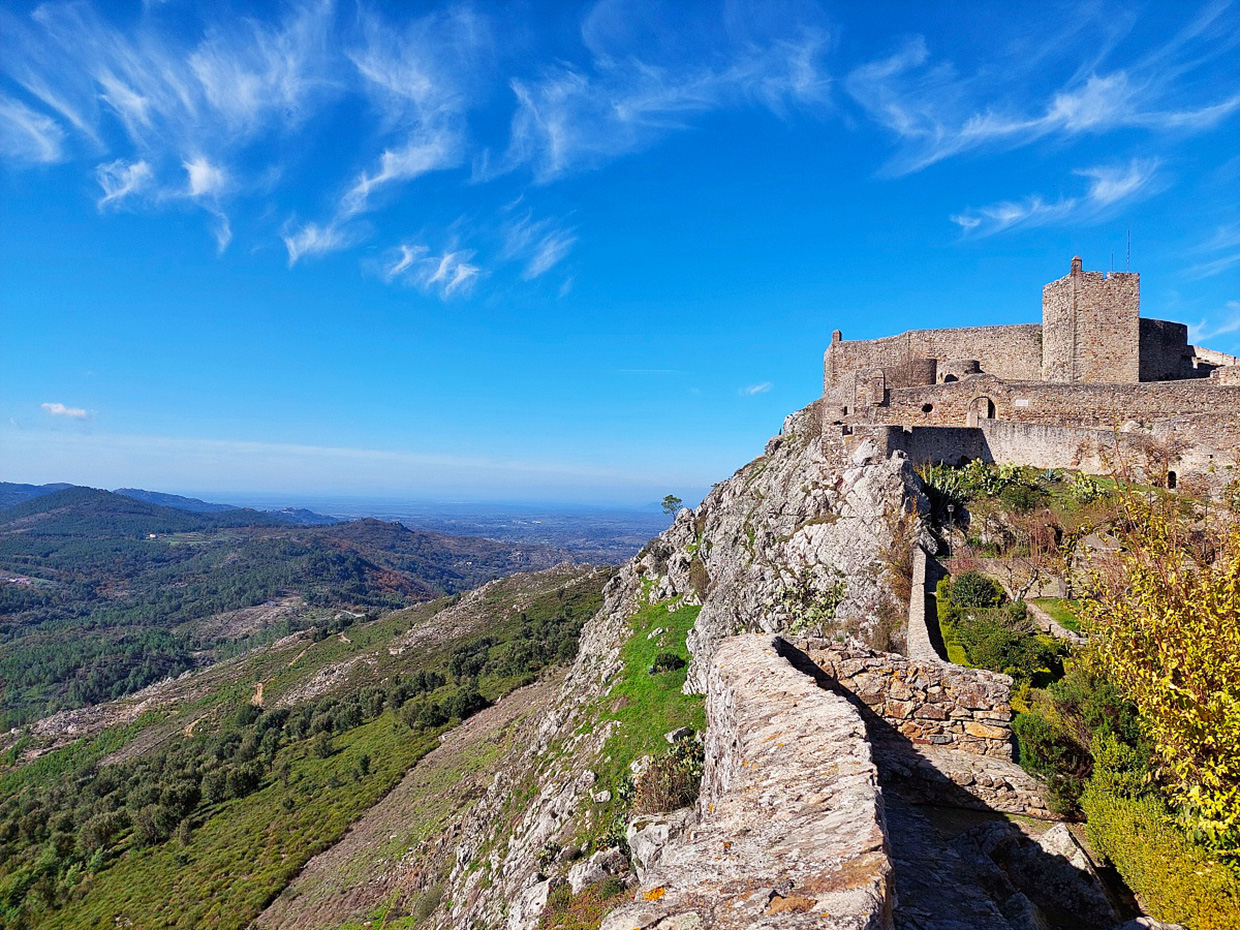
One of Julie’s favorite spots is Marvão, a beautifully preserved medieval village perched high above the surrounding countryside.
Stone streets, sweeping views, and a dramatic castle create an atmosphere that feels frozen in time.
The area also offers walking trails, opportunities for horseback riding, and easy access to nearby historic towns.
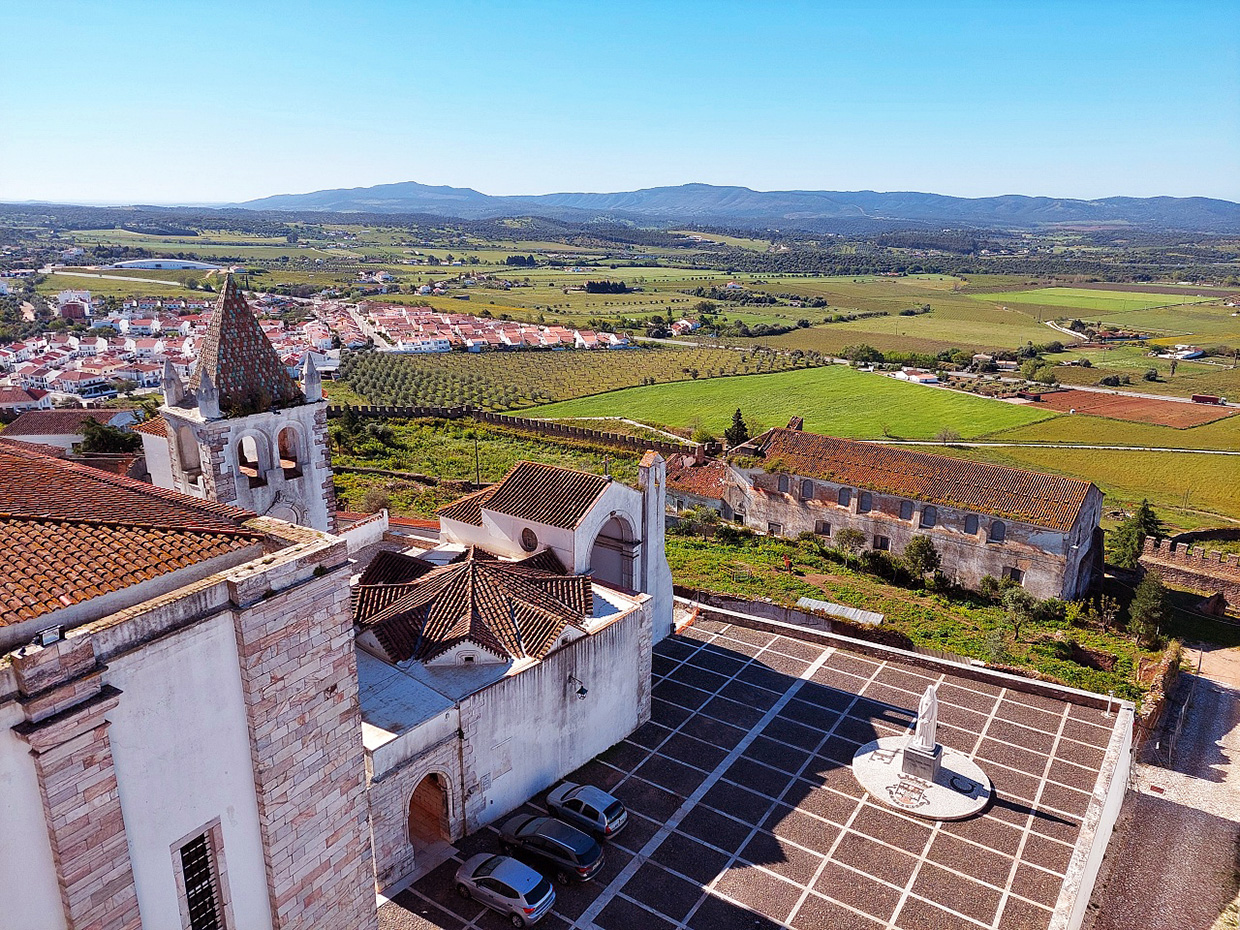
Another standout destination is Estremoz.
This town is known for its marble.
In fact, marble appears throughout the town — in streets, buildings, and public spaces.
Travelers can learn about the region’s marble industry, explore artisan workshops, and discover a fascinating tradition of handcrafted clay figurines.
For travelers seeking authentic Portugal, the Alentejo region is for you.
Head for the hills in the Algarve
The Algarve is very (!) famous for its beaches.
But Julie encourages travelers to look beyond the coast.
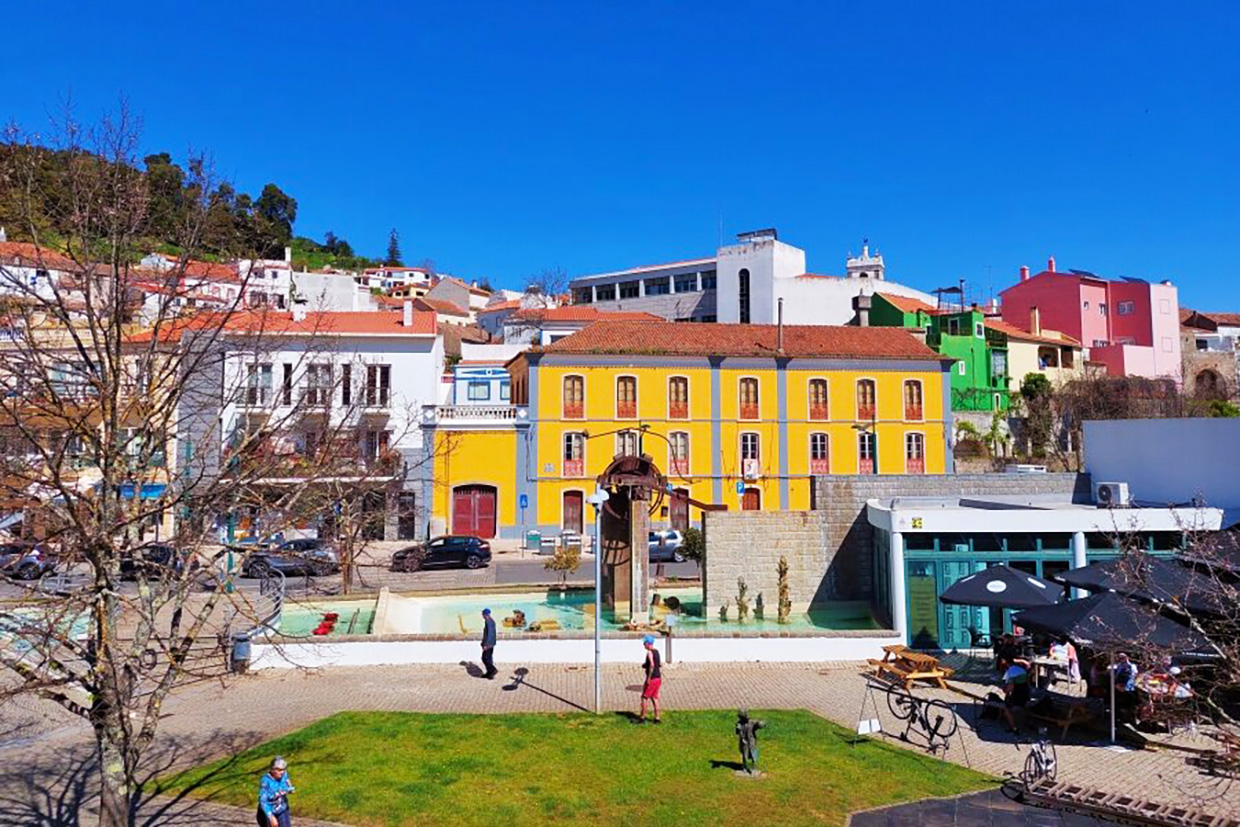
The town of Monchique sits in the hills of the western Algarve and offers a completely different experience from the region’s resort towns.
Surrounded by green landscapes and walking trails, it remains a quieter and more traditional part of southern Portugal.
The area is especially appealing for travelers who enjoy hiking, scenic drives, local crafts, and time in nature.
It’s a reminder that even in Portugal’s most visited region, there are still places where life moves at a slower pace.
And there are spots to avoid the crowds.
Portugal for outdoor lovers
One theme that surfaced repeatedly during my conversation with Julie was Portugal’s appeal for travelers who enjoy spending time outdoors.
From national parks and forest walks to coastal trails and mountain scenery, Portugal offers far more hiking and cycling opportunities than many people realize.
Regions such as Peneda-Gerês National Park, the Serra da Estrela mountains, the Rota Vicentina, and countless local trails provide opportunities to explore the country on foot or bicycle.
For travelers who enjoy combining culture, history, and nature, Portugal offers an ideal balance.
When is the best time to visit Portugal?
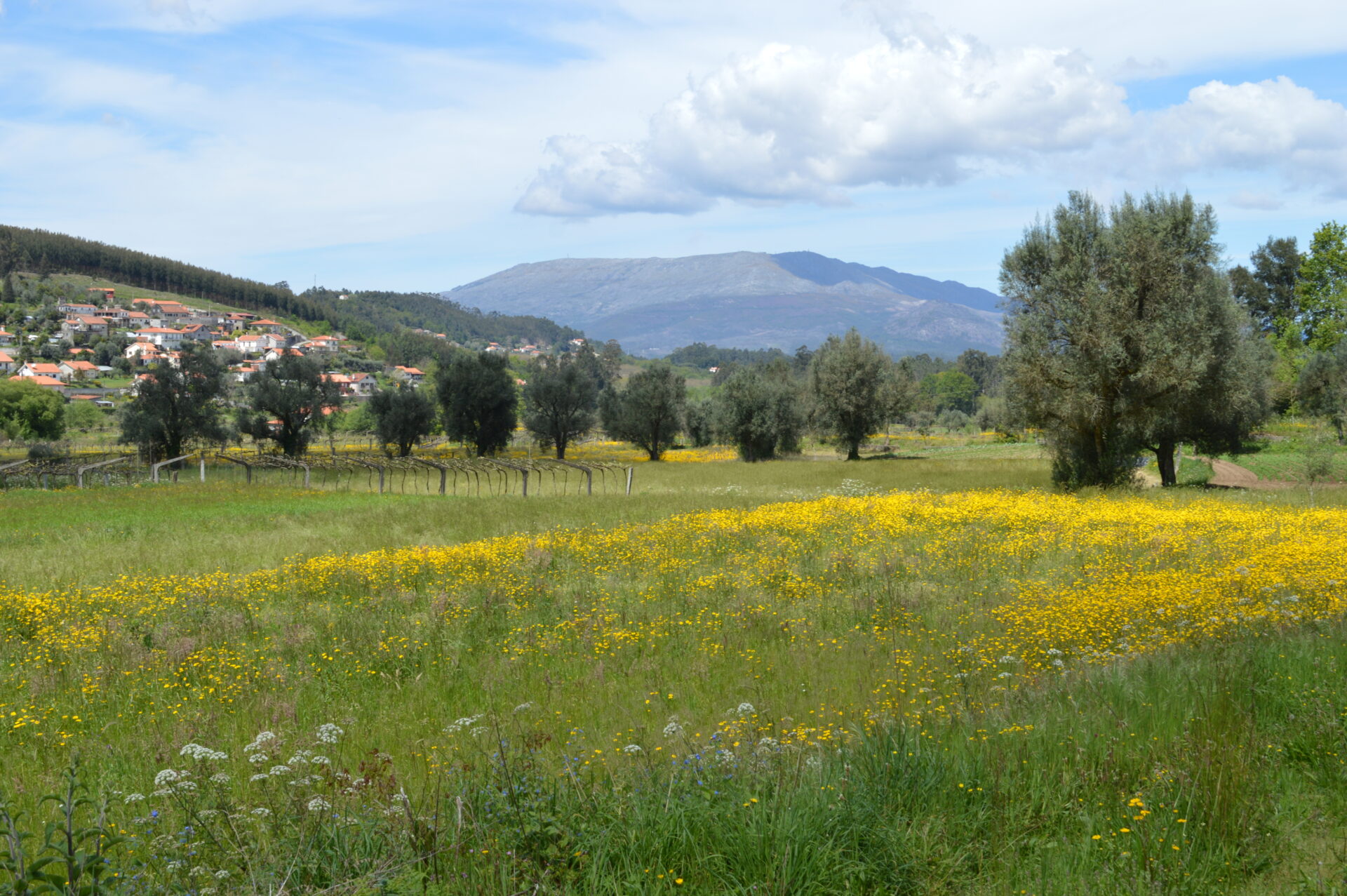
Julie’s favorite season is spring.
The countryside is green, wildflowers are blooming, temperatures are comfortable, and many destinations remain relatively uncrowded.
While Portugal is wonderful year-round, spring offers ideal conditions for sightseeing, hiking, and exploring smaller towns.
A rental car is also highly recommended if you plan to venture beyond the major cities.
Public transportation works well between larger destinations, but a car provides the flexibility needed to discover many of the places highlighted here.
Final thoughts on fascinating Portugal
Portugal has certainly earned its popularity.
And, yes, it has become very popular over the past 5 years or so.
But as Julie’s story and recommendations show, there is so much more to the country than Lisbon, Porto, and the Algarve.
From medieval villages and mountain landscapes to coastal walks and charming small towns, Portugal has much more to offer than many travelers realize.
Go beyond the usual stops and you’ll find places that feel deeply connected to the country’s culture, history, and natural beauty.
Whether you’re planning your first visit or returning to explore more deeply, don’t be afraid to slow down, spend time outdoors, and add a few lesser-known destinations to your itinerary.
You may just find your own favorite corner of fascinating Portugal.
As for me, I have places on my list that weren’t there before.
So yes, I need to get to Portugal!
Disclaimer: This post contains affiliate links. This means I will earn a commission – at no extra cost to you — if you click on the link and purchase anything from these trusted companies. It helps Wander Your Way, a small business, stay in business. Thanks for your support!
Like it? Pin it!