
How To Travel Sustainably in Europe: Inspiring Tips From Carolyn S. Boyce of Eco Wander Woman

How to travel sustainably in Europe is a topic close to my heart.
And I couldn’t think of a better person to share insights on it than my friend Carolyn S. Boyce of Eco Wander Woman.
Carolyn and I first connected back in 2020 through the Location Indie community, where we quickly bonded as two of the “older” women in the group.
We ended up swapping stories about Ohio, single life, and of course, our shared love of travel.
We finally met in person in 2021, and that cemented our friendship.
I’m so happy to see Carolyn pursuing her passion through Eco Wander Woman.
And I fully support her inspiring mission to help more travelers embrace eco-friendly adventures.
So below is a conversation with Carolyn covering the topic of sustainable travel in Europe.
I think you’ll walk away with some excellent and actionable tips.
But first, let’s meet Carolyn … in her own words
Hi!
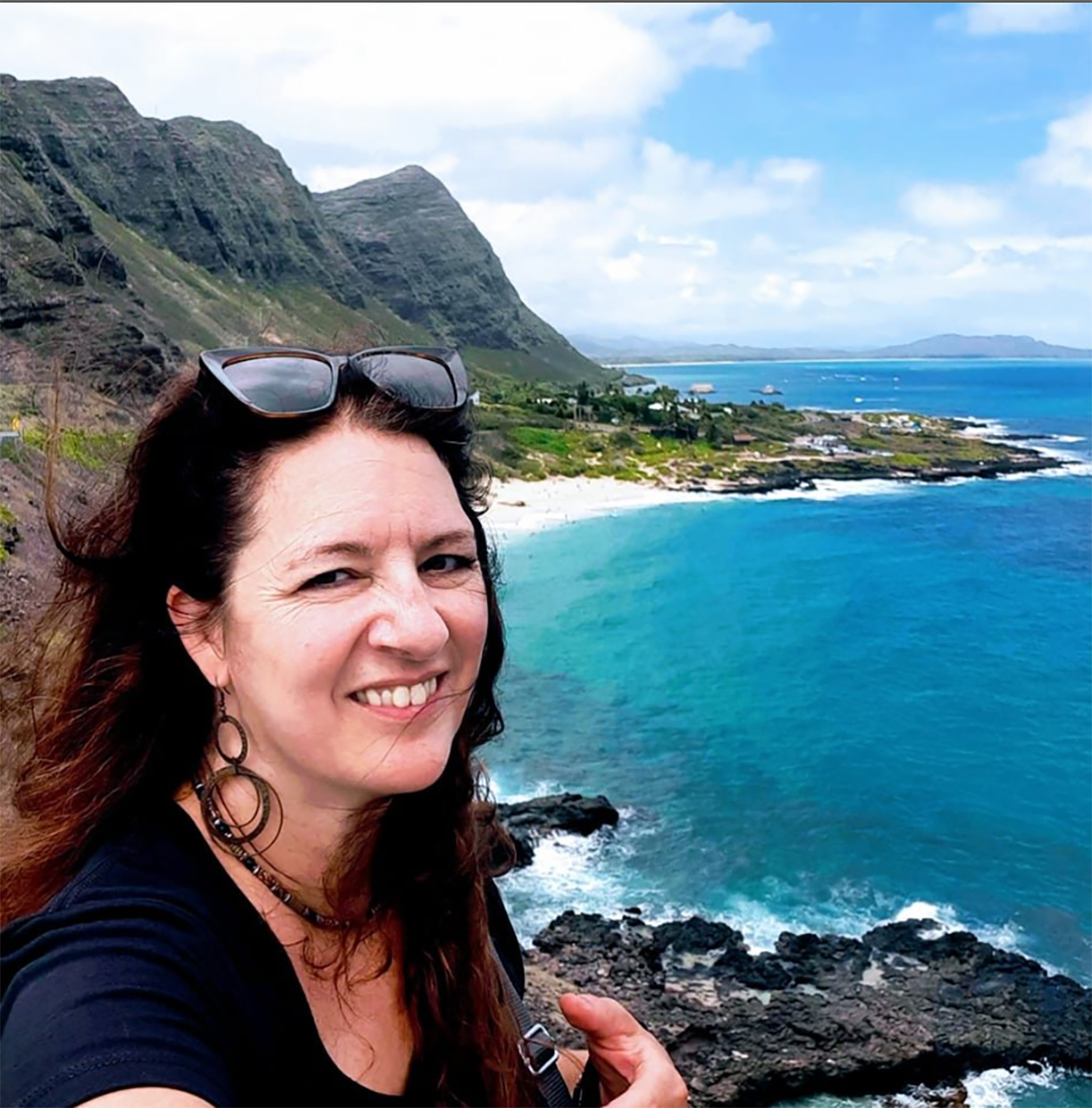
I’m Carolyn S. Boyce, founder of Eco Wander Woman, Manager of People and Culture at RISE Travel Institute, and an MPA student at the University of Illinois Chicago.
I earned my B.S. at Cornell University, where I studied labor/employment and environmental policy, nonprofit management, and sustainable business.
I started my first recycling program (against strong opposition) when I was a teenager.
My professional, academic, and volunteer work spans across many aspects of sustainability, democracy, and justice.
I’m also published in the ABA Natural Resources & Environment journal and have published independent reports on local food access and worker cooperatives funded by major nonprofits.
I came to solo travel later in life and have, so far, explored 33 U.S. states and 6 countries; participated in Climate Ride from NYC to DC; and road tripped Route 66 by myself for several weeks.
Eco Wander Woman brings together my values of curiosity, care, and impact to make sustainable travel more practically accessible.
When I’m not working or wandering, I’m in Chicago, playing piano, reading, or hanging with my cat, Katarina.
A conversation with Carolyn S Boyce on how to travel sustainably in Europe
I decided the best way to dive into this topic was with a Q&A conversation with Carolyn.
She brings such a thoughtful perspective to sustainable travel and I knew her insights would be both inspiring and practical.
Below you’ll find my questions along with Carolyn’s well-crafted answers.
Answers that are loaded with helpful tips, real-world examples and actionable steps you can take to make your own travels more eco-friendly.
Q: I think sometimes people get overwhelmed with the whole idea of “eco friendly” and “sustainability” … so how can people do just a little bit to get started? And is this okay?
Carolyn:
Considering the United Nations has 17 Sustainable Development Goals and 169 targets, it’s no surprise that people would feel overwhelmed.
Even long-time environmentalists hit that wall sometimes ??♀️.
But I don’t let bouts overcome me.
I recognize that I’m only one human with 24 hours each day.
We have to give ourselves grace because none of us can give 100% all the time.
And that’s a perfectly healthy way to be.
The advice I’d give is to start noticing where your actions don’t quite match your values, then shift one thing at a time.
For example, let’s say Betty recently learned that plastic pollution is a problem everywhere after she witnessed an increase in discarded plastic on a beach she visits each year.
It made her question a lot.
She’s concerned about the health implications for herself and for marine life.
She’s worried that this beach won’t be pleasant to visit for much longer.
And she also learned that only about 8% of plastic is actually recycled.
Yet every morning, she buys an iced mocha latte in a disposable cup, drinks it in 15 minutes, and tosses the cup, lid, and straw.
She feels helpless against the magnitude of the plastic problems and doesn’t think she can make much of a difference.
But she can!
She can make her coffee at home in a reusable tumbler.
She can stop at the café weekly instead of daily.
And she can bring her own mug to a nearby shop that encourages it.
After Betty has made this a habit at home, it’s more likely that she’ll make it a habit while traveling as well.
And if she “slips” now and then?
If she has a spontaneous coffee with her new travel friends at a plastic-heavy coffee shop, it’s okay!
Sustainability isn’t about perfection.
It’s about making progress and doing better next time.

Q: Overtourism is becoming more of an issue. What are your thoughts on this (especially pertaining to European spots like Barcelona, Venice, Dubrovnik) — looking at it from the perspective of how over tourism hurts the environment?
Carolyn:
Tourism becomes a problem when the number of visitors exceeds the carrying capacity of a community.
In places like Venice, cruise ships contribute significantly to air and water pollution, noise, and infrastructure damage to the fragile lagoon ecosystem.
Historic districts suffer wear and tear.
Massive foot traffic erodes centuries-old architecture and alters the character of neighborhoods.
The recent rise of short-term rentals pushes local residents out of their homes and communities.
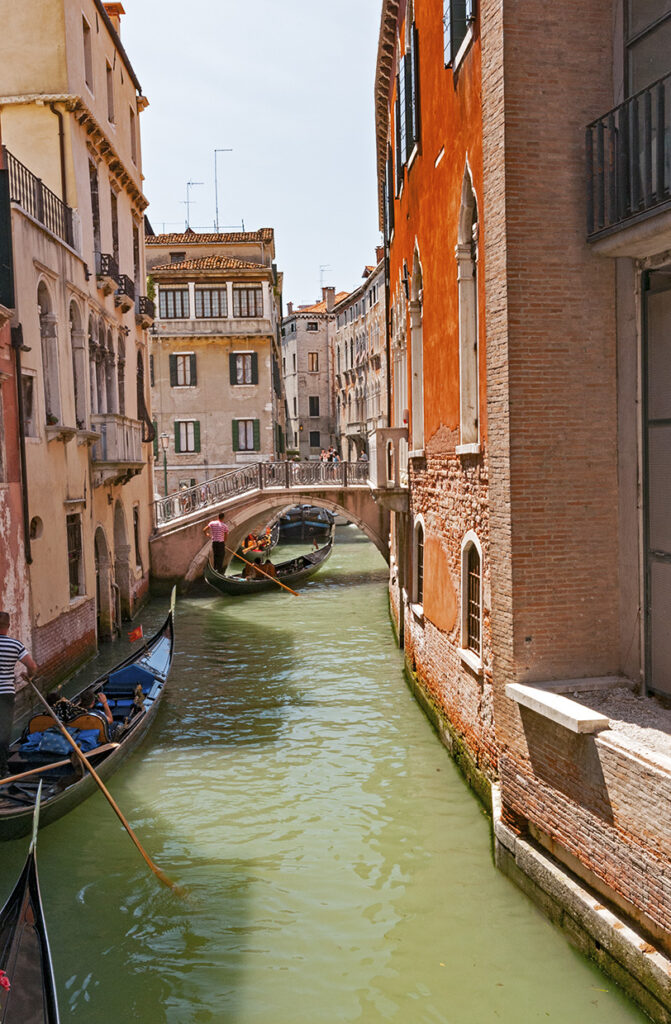
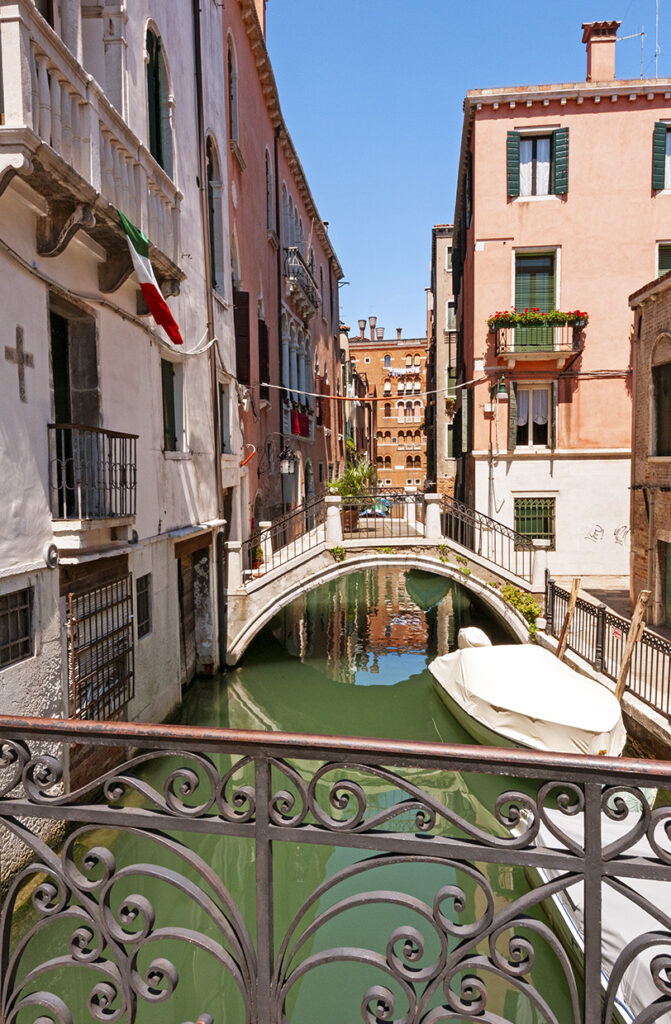
When I visited Venice in September 2018, the crowds (sometimes shoulder to shoulder) in the main alleyways and bridges were frustrating and disorienting.
To regain a sense of the peaceful awe I usually feel when visiting a new place, I spent a lot of time meandering around Murano and enjoying a beach day at Lido.
On the main island, I opted for quiet galleries (Time Space Existence and the Da Vinci Interactive Museum) rather than stand in long lines for more popular attractions.
I stepped away from the heavier-beaten path and got gloriously lost in hidden back alleys.
As for solutions like entry fees, I think Venice’s nominal day‑tripper charge may help with data collection, but it’s too low to deter visits.
On the other hand, if a fee is too high, it risks turning the city into a playground only accessible to wealthier travelers.
Coming from a working class background myself, I’m also a proponent of social equity, and that transcends to international travel.
Other viable solutions include capping cruise ship arrivals, establishing fair housing policies that limit short-term rentals, and reinvesting tourism taxes into local infrastructure and preservation efforts.
As travelers, we can shift our timing to shoulder or off-season visits.
We can explore lesser known nearby areas that share cultural roots but experience less pressure, and we’d be helping their economies by doing so.
Businesses can promote longer stays, slower travel, and local guides instead of quick-hit, extractive tours.
I believe real solutions must come from partnerships across sectors: nonprofits, governments, businesses, and travelers.
Eco-conscious digital nomads can play a meaningful role in these conversations since they stay longer, form deeper connections, and can influence their peers.
Supporting this type of cross-sector collaboration is part of Eco Wander Woman’s long-term vision.
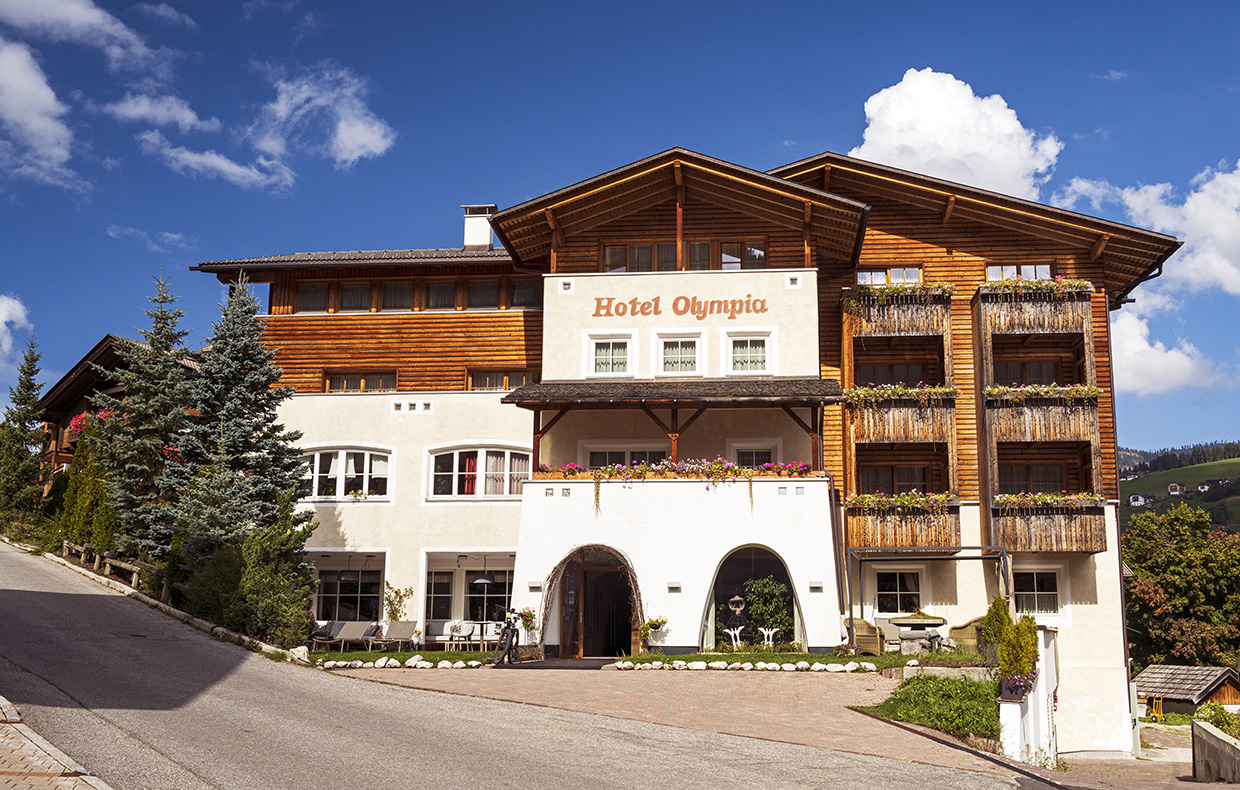
Q: When it comes to how to travel sustainably in Europe, how does a traveler find eco-friendly accommodation?
Carolyn:
One instinct that eco-minded travelers often have (and it’s a solid starting point) is to look for an accommodation that has a sustainability certification, like Green Key.
While this is an legitimate starting point, I recommend digging a bit deeper though because there are commonly overlooked pros and cons to each certification.
They all come with their own strengths and limitations.
Some certifications are too expensive for small, family-run establishments.
But those accommodations might be moving toward more eco-friendly practices and are improving, whereas the certified resort down the road might be overstating their impact.
For the DIY traveler, I’d recommend these steps: (1) identify your actual needs, (2) find accommodations in the area that match them, (3) narrow down those choices by reviewing websites, guest reviews, and any recent local press coverage.
Once you have between two and five choices, pick up the phone or send them an email to ask about anything you want to know more about.
It’s rare that you’ll find a unicorn that’s checking all your sustainability boxes, as well as your unique needs.
Instead of looking for perfection, look for measurable impact, genuine intention, and friendly transparency.


Q: What are some ways to limit your carbon footprint when traveling in Europe when it comes to transportation?
Carolyn:
Public transportation is strong across Europe, so the more travelers participate by riding trains, metros, buses, and even bikes, the more emissions can be collectively reduced.
Train travel is often the most sustainable, relaxing, and scenic way to travel.
I also recommend slow travel whenever possible, which means fewer flights and staying longer in one place.
When a flight is necessary, fly into one city, travel overland to your other destinations, and then fly out of the last city instead of going back to the first one for your flight home.
Doing this not only eliminates backtracking but also allows for more exposure to new places.
Finally, buying carbon offsets is never a bad idea.
But look for ones offered independently of the airline — ones that are more transparent, meaningful, and possibly relevant to the region you’re traveling in.

Q: If someone needs to rent a car, what advice do you have?
Carolyn:
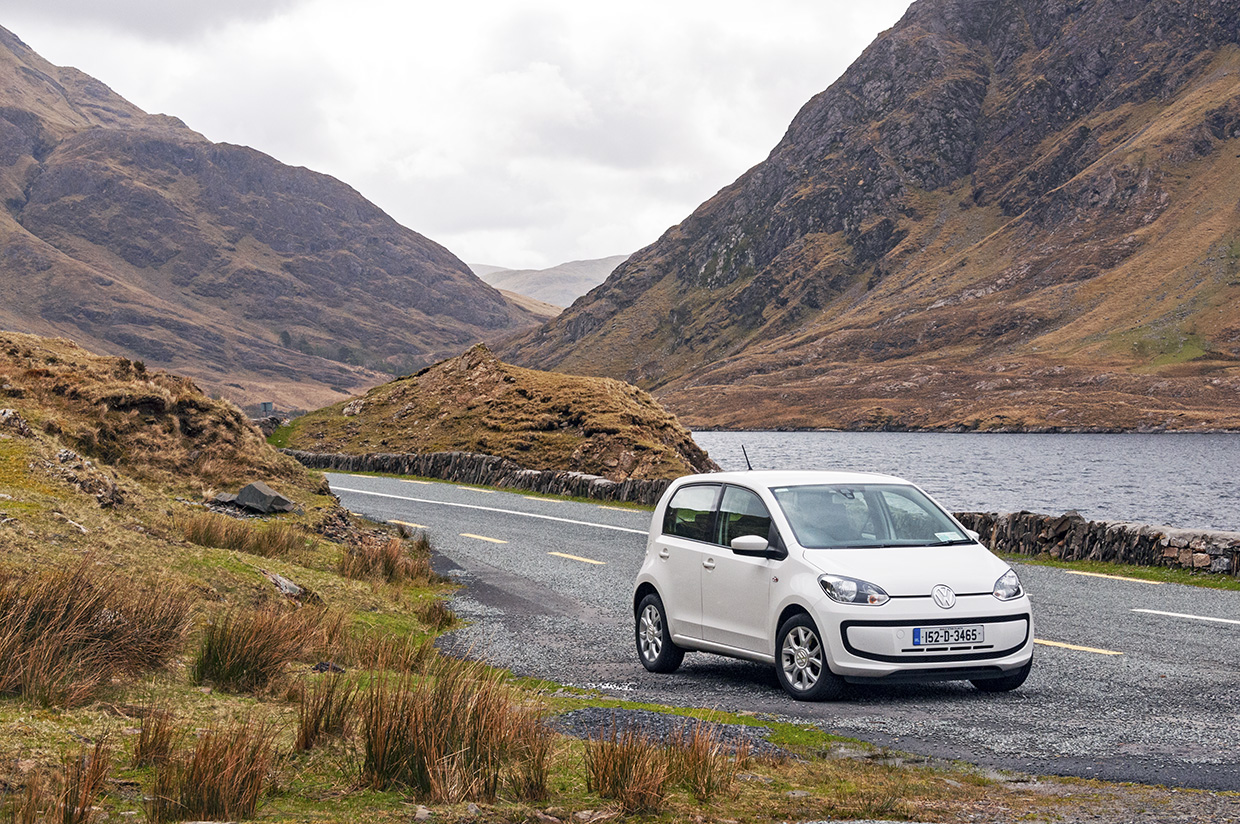
When renting a vehicle, choose the most fuel-efficient (or hybrid) one available.
Travel as light as you can.
The more weight a vehicle is carrying, the more fuel it’ll use getting from point A to point B.
Plan ahead a little to combine outings.
This will avoid unnecessary extra fuel use.
For example, when taking a day trip, plan the return route to include a grocery stop on the way back.
Note from Lynne: Electric cars and charging stations are becoming more and more prevalent in Europe, especially in the UK. So consider an electric car to help you travel sustainably in Europe. Just do a bit of research first.

Q: What are some of the items we should have in our suitcase that are better for the environment?
Carolyn:
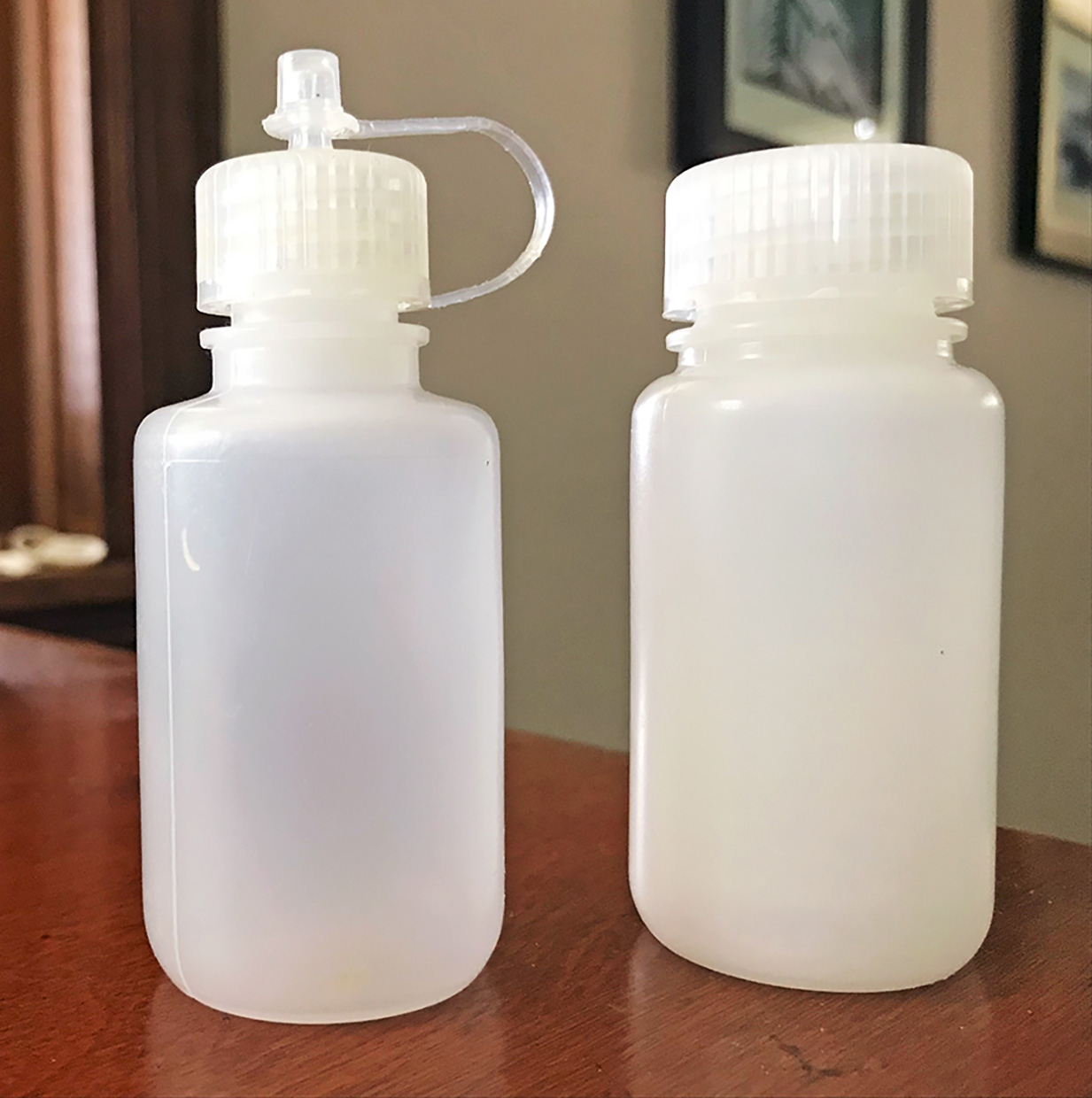
Think reusables and low-waste items.
Basically, anything that will reduce the need to use single-use plastics — a water bottle, cutlery, cloth tote, and a travel coffee cup.
Also think beyond those usual items — solid shampoo bars, reef-safe sunscreen, and laundry sheets all reduce waste, protect marine life, and prevent overpacking.
Less weight means less fuel use no matter what mode of transportation you’re using.
This means wearing the same clothes more often, so get creative with mixing and matching durable, quality pieces.
Finally, suitcase choice also matters because it affects how much you pack and how often you need to replace it.
Try to bring a lighter, durable, and repairable bag made from sustainable materials to reduce emissions, waste, and overconsumption.

Q: What about when it comes to eating while traveling?
Carolyn:
Local is, again, a key ingredient for sustainable choices.
Eating meals made from locally sourced, in-season ingredients, or at locally-owned establishments supports community growers and producers.
Tourist money circulates around the community longer, and less fuel is needed to transport ingredients.
Similar to the advice for accommodations, travelers looking for eco-friendly meals should research websites, read guest reviews, and try to find any recent local press coverage.
Avoid national (and even most regional) chains unless there’s no other choice.
If you have access to a kitchen, cooking a few meals yourself can reduce waste and cost.
Farmers’ markets, small eateries, and local grocers can be great places to start eating locally.
It’s easy to travel sustainably in Europe and eat well!

Final thoughts on how to travel sustainably in Europe
Some words from Carolyn…
So much gratitude to my friend Lynne for opening up this space to talk about sustainable travel!
I’m always available for questions that you or your readers may have about creating more eco-friendly trips.
And to the Wander Your Way community — if you’d like to keep learning and exploring this topic, you can also find a growing library of resources on my website and socials.
And I welcome you to become an Eco Wanderer subscriber!
And from Lynne…
As Carolyn reminds us, traveling sustainably doesn’t have to mean doing everything perfectly.
Even small choices — carrying a reusable bottle, supporting local businesses, choosing trains over short flights, or simply being mindful of your footprint — can add up to a big impact.
When it comes to how to travel sustainably in Europe, every little effort matters.
Together, as travelers who care about the places we visit, we can help preserve the cultures, landscapes and communities that make Europe such a joy to explore.
✨ Discover more from Carolyn at Eco Wander Woman, where she shares practical tips and inspiration for mindful, eco-friendly travel.
You can also connect with her on Facebook, Instagram, Pinterest and LinkedIn, or sign up for her newsletter to keep up with her latest adventures and sustainable travel advice.

Disclaimer: This post contains affiliate links. This means I will earn a commission – at no extra cost to you — if you click on the link and purchase anything from these trusted companies. It helps Wander Your Way, a small business, stay in business. Thanks for your support!
Like it? Pin it!