
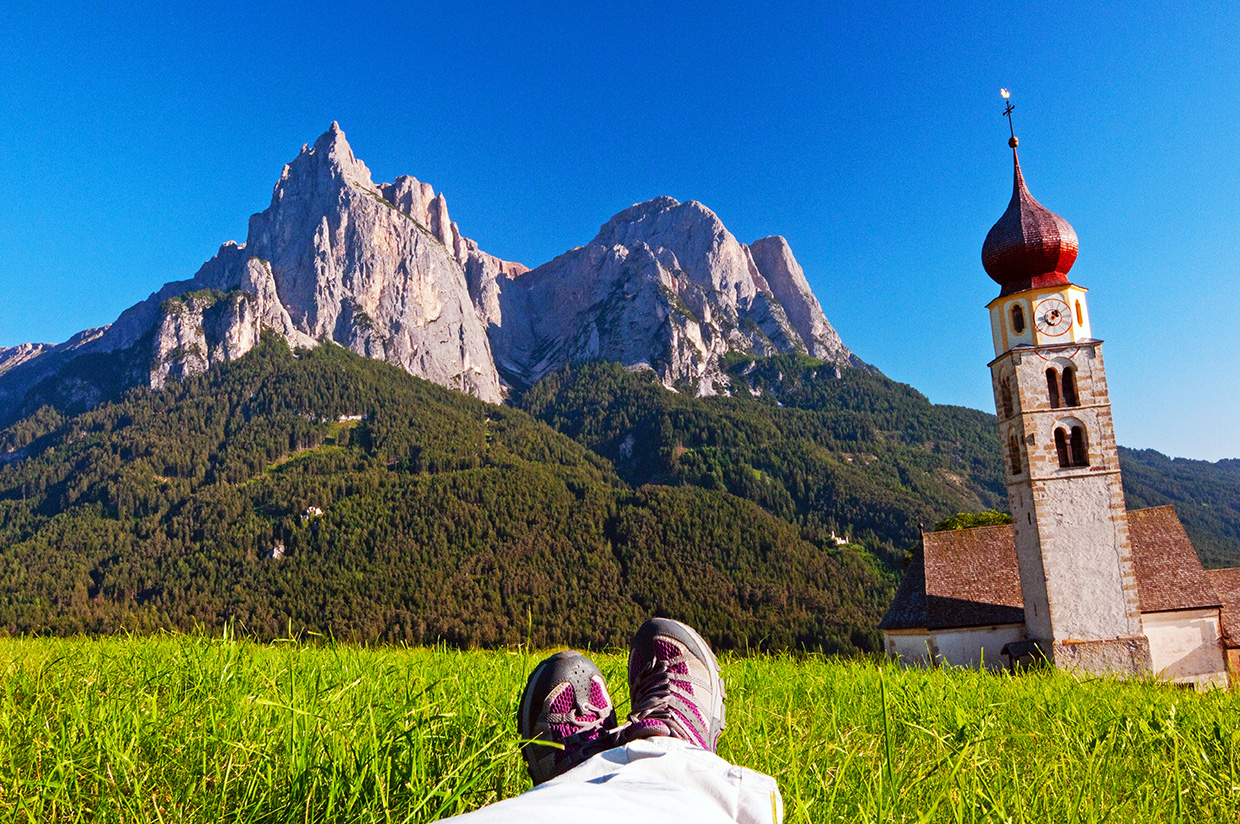
How to Embrace the Joy of Slow Travel in Europe with Renee Hannes

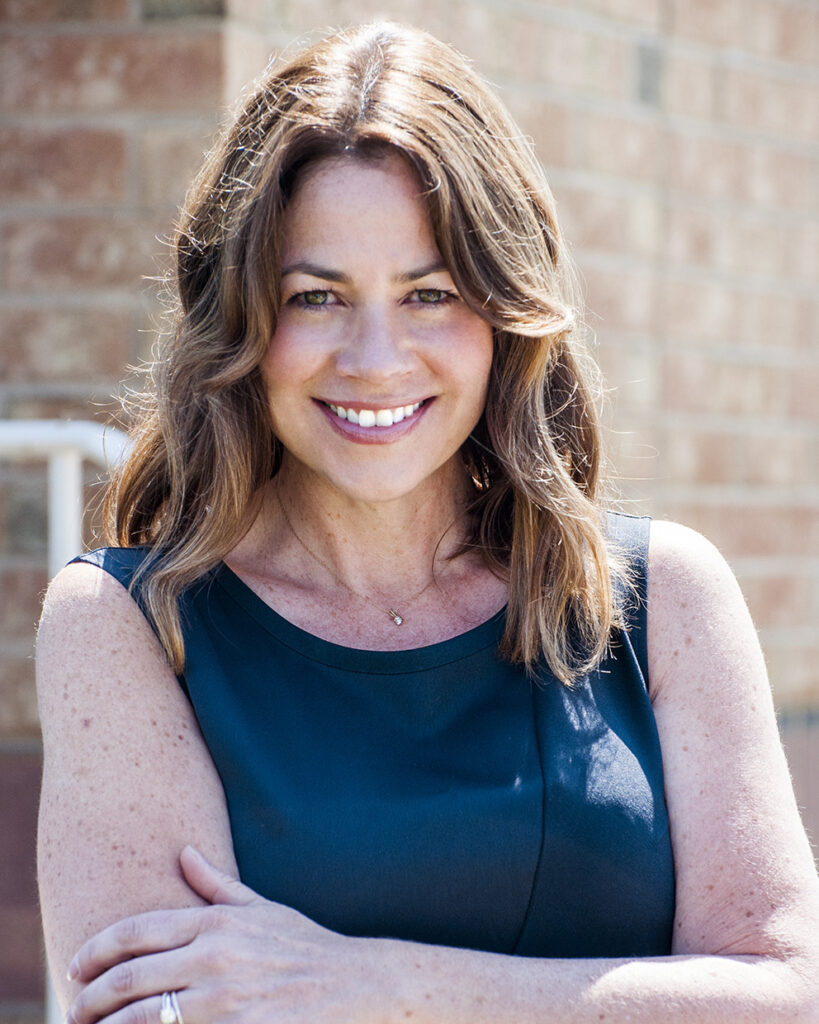
In this episode, I’m joined by Renee Hannes of Dream Plan Experience to talk about slow travel, intentional travel and the joy of returning to places we’ve already visited.
We chat about why asking “How do I want this trip to feel?” can completely change the way you plan, how leaving more unplanned time can lead to some of your favorite travel memories, and why you don’t have to see everything on one trip.
We also delve into the benefits of revisiting destinations — one of my favorite things to do.
Returning to a place you love gives you the chance to peel back another layer, discover something you missed the first (or second) time and experience it through a completely different lens.
And Renee and I share a few simple ways to incorporate slow travel into your next trip to Europe — even if you only have a week or two.
If you’re ready to travel with a little more intention and a little less rushing, be sure to tune in.
Want to chat more about slow travel?
Send me a message at Lynne@WanderYourWay.com.
In this episode:
2:28: Renee Hannes’ bio
5:40: Renee’s travel story rooted in Germany
12:08: Starting a travel business
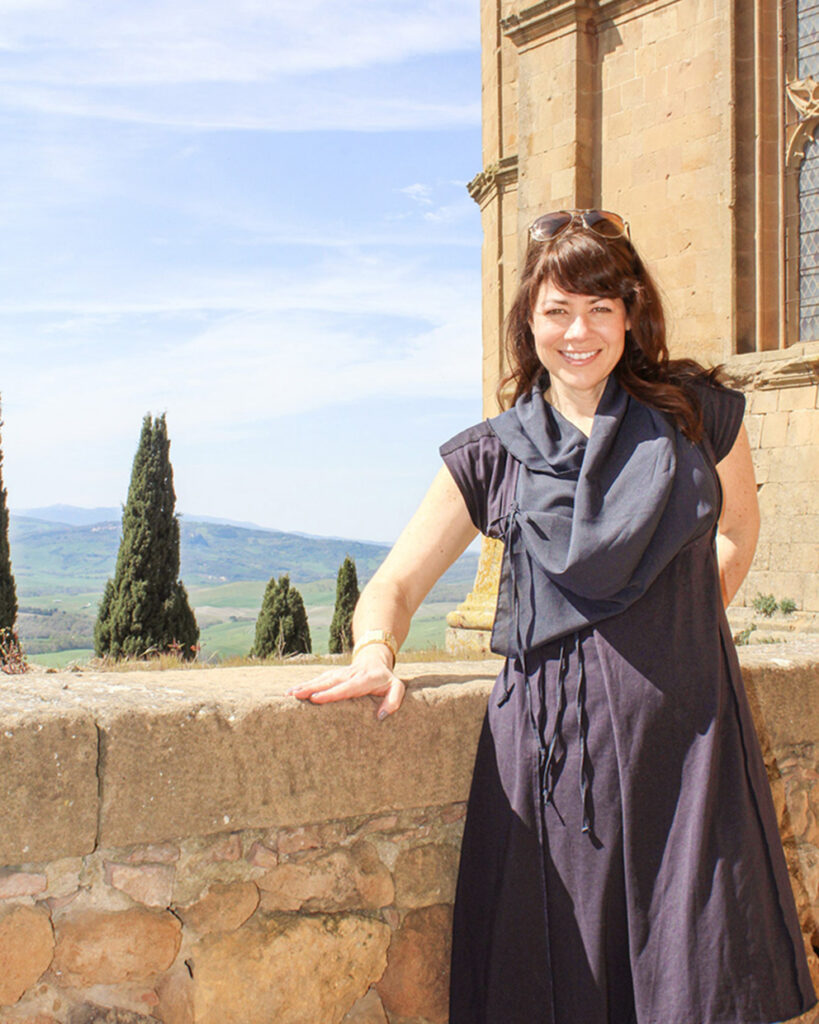
15:55: Tuscany retreat
17:40: Mindset for slow travel
27:17: Revisiting places
39:07: Same place, new discoveries
50:00: Revisiting places is for some and not for others
55:25: Final thoughts from Renee
57:40: Some final thoughts from Lynne
1:01:28: Wrapping it up
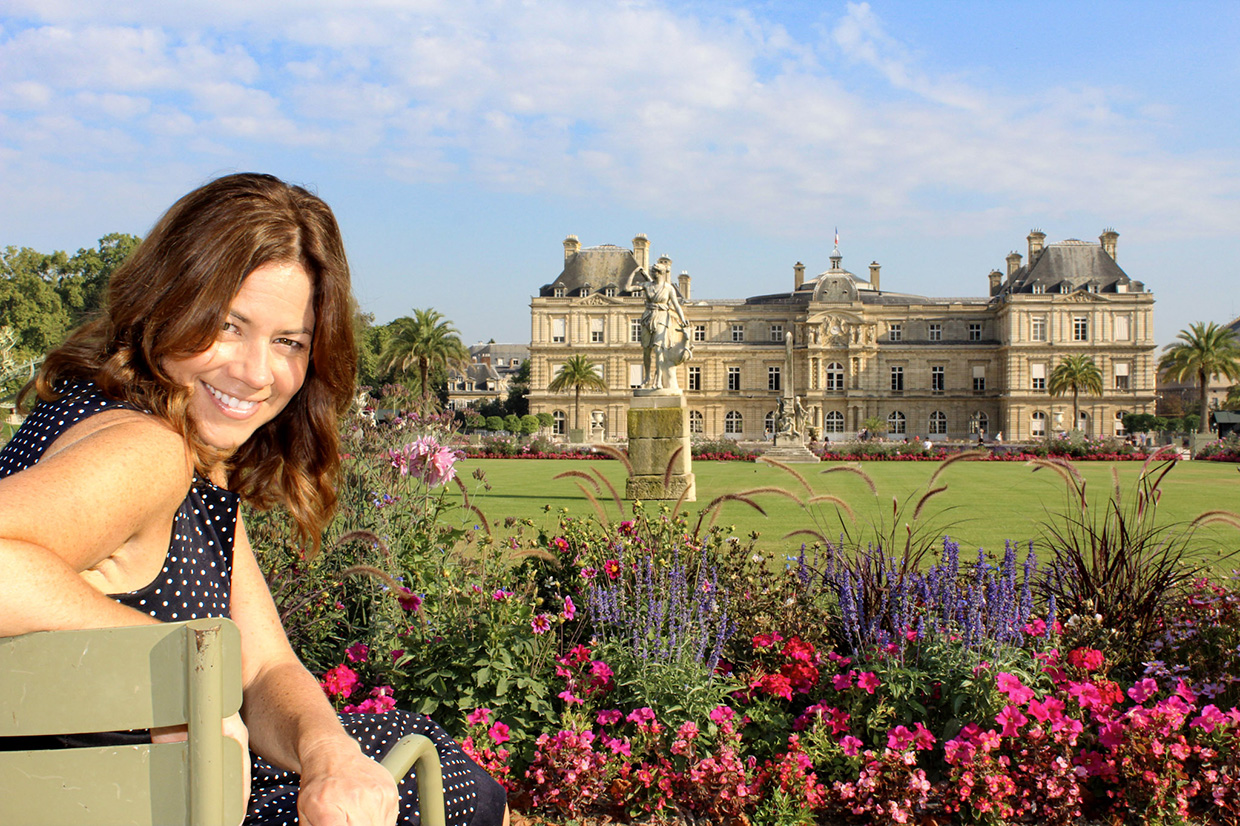

How to Embrace the Joy of Slow Travel in Europe with Renee Hannes
(For those who prefer to read)
There’s a lot of pressure when we travel to Europe to see and do as much as possible.
After all, you’ve spent a lot of money and used precious vacation time to get there. Of course you want to make the most of it.
But does making the most of your trip really mean filling every day from morning until night?
Renee Hannes of Dream Plan Experience believes slow travel in Europe isn’t necessarily about how much time you have. It’s about how you choose to use that time.
It starts with being more intentional about where you go and what you do, leaving room for the unexpected and thinking about how you actually want your trip to feel.
Renee is also a big believer in something I love to do — revisiting destinations.
Because returning to a place doesn’t mean repeating the same trip. It can give you the freedom to dig deeper, follow your curiosity and discover another layer of a place you thought you already knew.
So let’s look at how slowing down — and occasionally going back — can completely change the way you experience Europe.
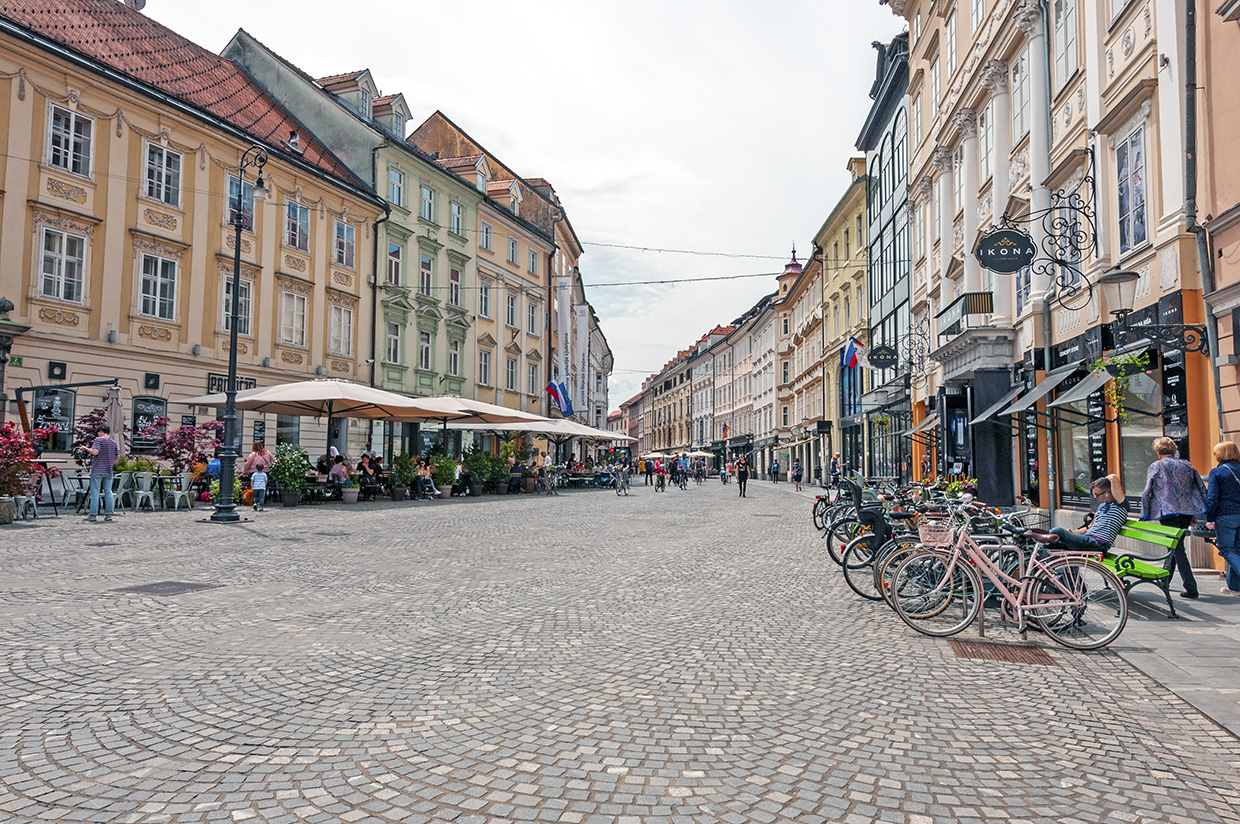
Slow travel in Europe starts with intention
When we hear the term “slow travel,” it’s easy to think it means spending several weeks or even a month in one destination.
And yes, that can certainly be slow travel.
But most travelers don’t have that kind of time.
Renee pointed out that you can practice slow travel during a two-week trip, a one-week trip or even for an afternoon.
It begins with being intentional about your trip instead of automatically making a list of everything you think you’re supposed to see.
That means knowing your interests and letting those interests guide you — where you go and what you do.
If you don’t care about art, you don’t have to visit the Louvre simply because you’re in Paris.
Take a food tour.
Wander through a neighborhood.
Sit in a café.
Find a park.
Do something that actually interests you.
Your trip should be about what you want to experience, not someone else’s checklist.
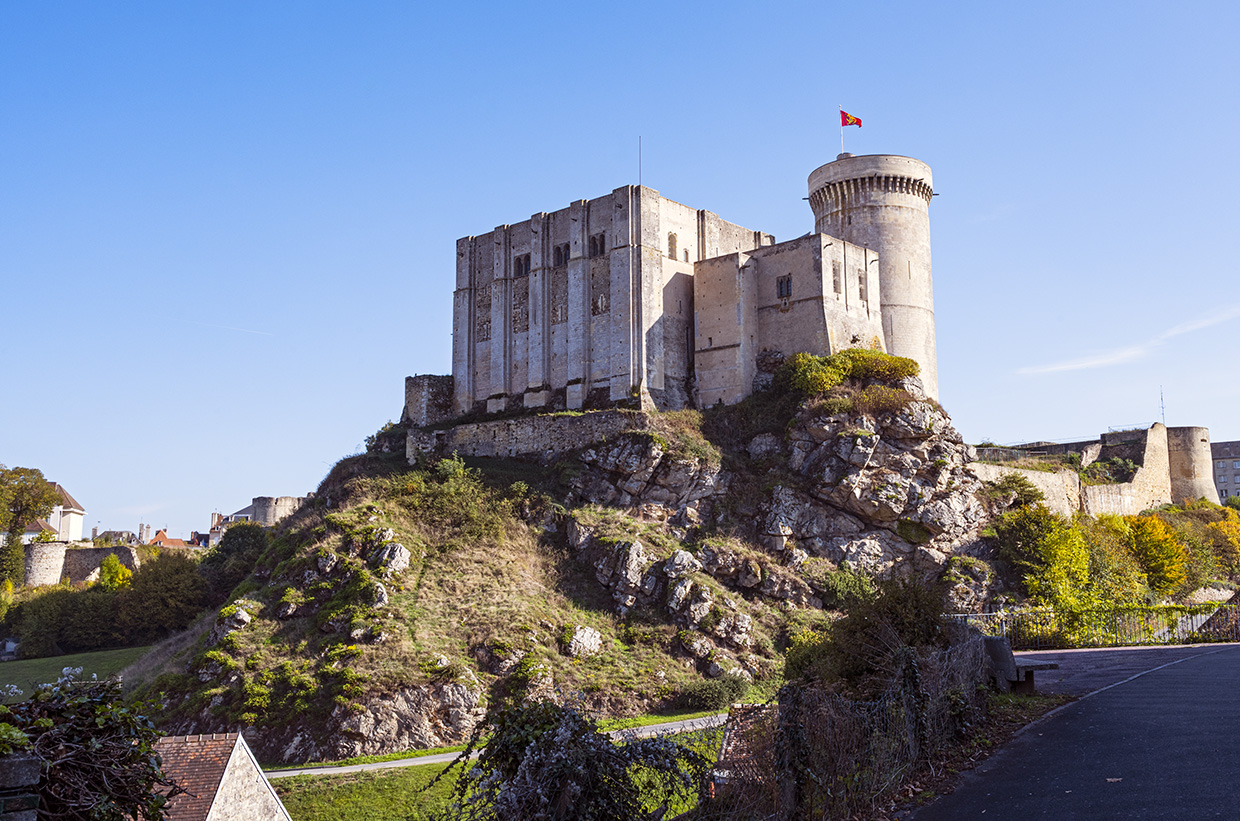
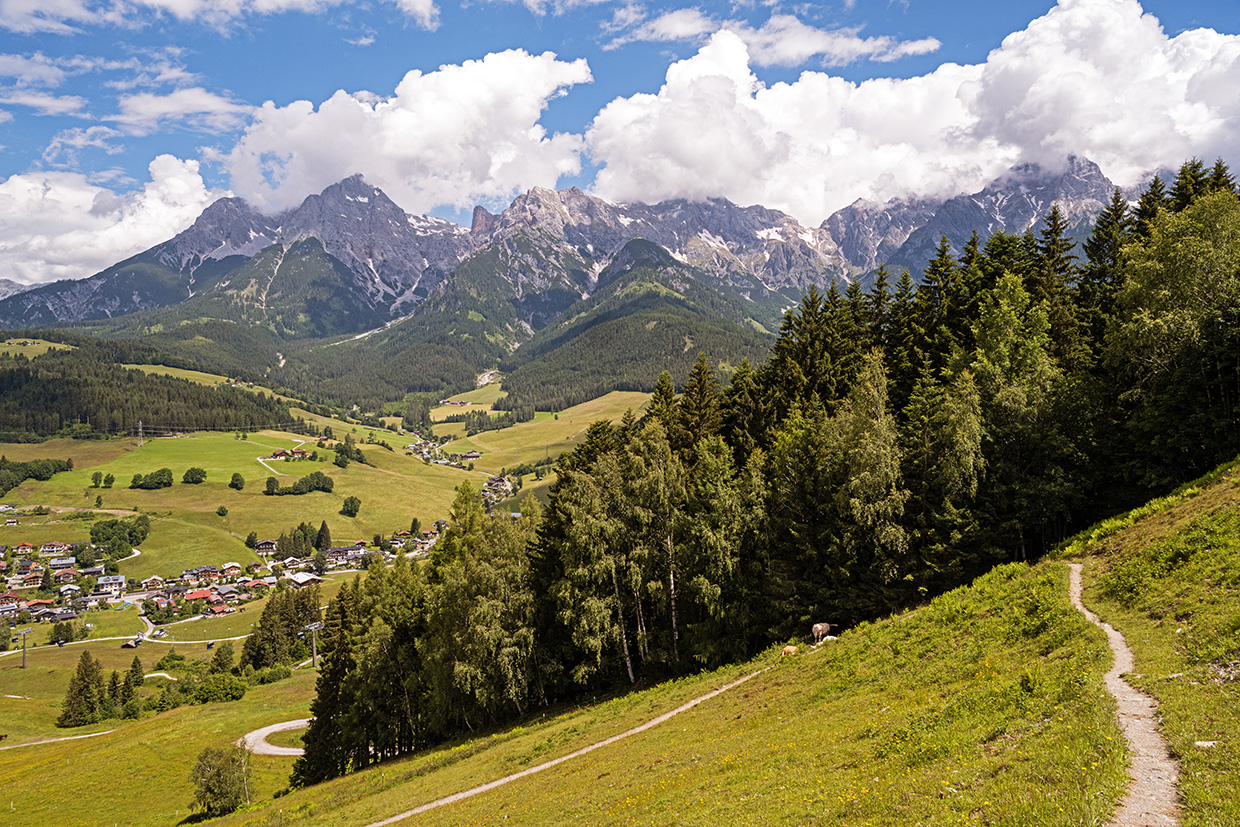
How do you want your trip to feel?
This was one of my absolute favorite parts of my conversation with Renee.
When you start planning a trip, don’t just ask where you want to go and what you want to see.
Ask yourself: How do I want this trip to feel?
Do you want to feel relaxed?
Curious?
Adventurous?
Connected to the local culture?
Inspired?
Restored?
We spend so much time thinking about the logistics of travel that we don’t always think about how we want to feel while we’re there.
But that answer can help guide the entire trip.
If you want to come home feeling relaxed and refreshed, an itinerary with four destinations in ten days probably isn’t going to get you there.
If you want to feel more connected to a place, you need to give yourself enough time to wander through its streets, linger over a meal, spend time in a neighborhood or simply observe everyday life.
Start with the feeling you want from your trip.
Then build the itinerary around it.
Leave room for the unplanned moments
One of Renee’s clients told her about a four-day trip to Paris.
They packed the first three days with sightseeing but purposely left the final day completely open.
Guess which day they loved the most?
The last one.
That was the day they wandered.
They had no schedule to follow and nowhere they had to be.
Renee pointed out that, in some ways, they had spent three days traveling quickly through Paris and just one day truly experiencing it at a slower pace.
You don’t have to dedicate an entire day to doing nothing to get some of that feeling into your trip.
One of my favorite approaches is to plan just one main thing for the day.
Maybe you book a walking tour in the morning but leave the afternoon open.
Or you spend the morning wandering and have a museum reservation later in the day.
Give yourself some space around the plans.
Because very often it’s during that unplanned time that you stumble upon a little shop, find a beautiful street, have a conversation with someone or discover a place you never knew existed.
And those often become the moments you remember most.
Why revisit a place you’ve already been?
Renee and I also spent a lot of time talking about something I wish more travelers would consider: going back to a destination.
I understand the desire to travel somewhere new.
Europe is filled with countries, cities, towns and landscapes that are completely different from one another.
But I also love returning to places.
When I revisit somewhere, I get to peel back another layer.
There’s less pressure to see the major sights because I’ve already seen many of them.
I know how to get around.
I have a feel for the place.
And that familiarity gives me more freedom to simply explore.
Renee made a great point about this as well.
When you return somewhere familiar, you don’t have to spend the first couple of days figuring everything out.
You already know a bit about the transportation system.
You understand the general layout.
You might even have a favorite café or restaurant.
You can settle into your trip much more quickly.
Revisiting doesn’t mean repeating the same trip
Going back to a destination doesn’t mean doing exactly what you did the first time.
In fact, that’s the beauty of it.
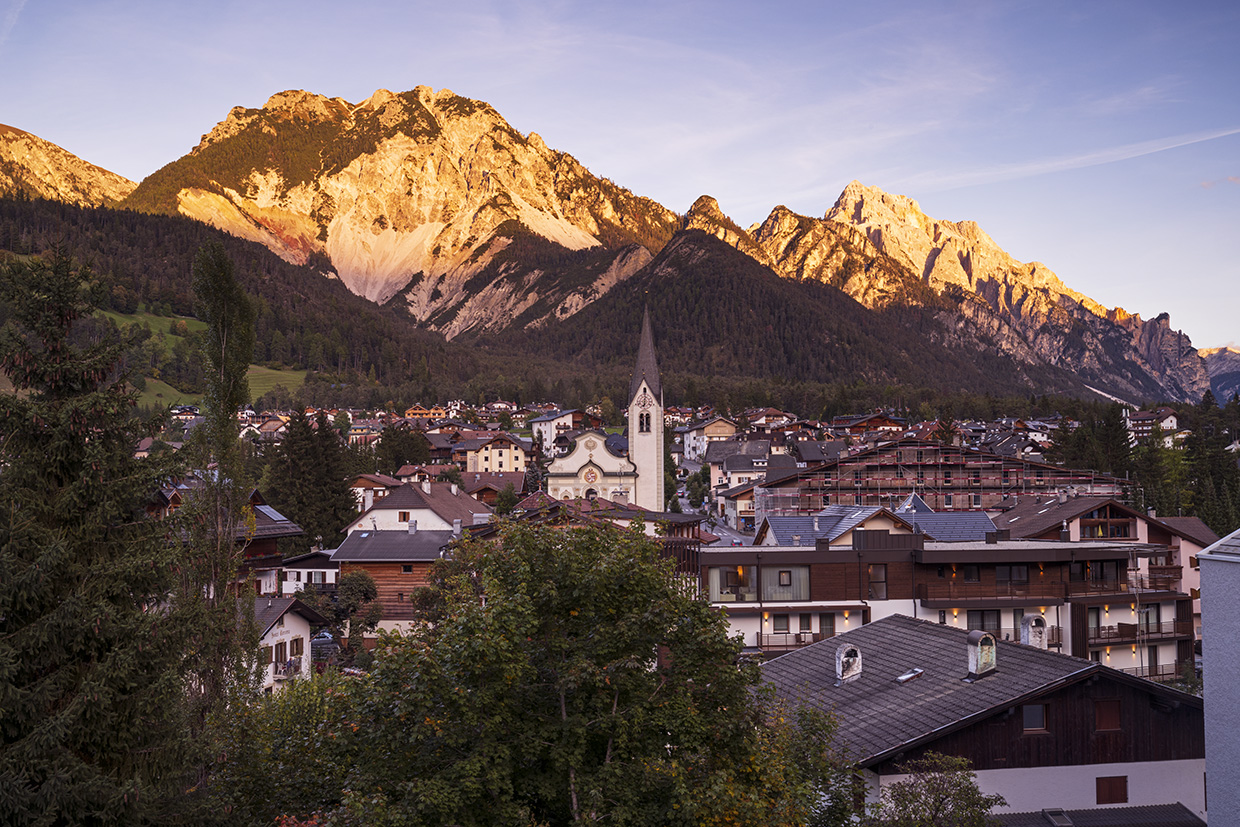
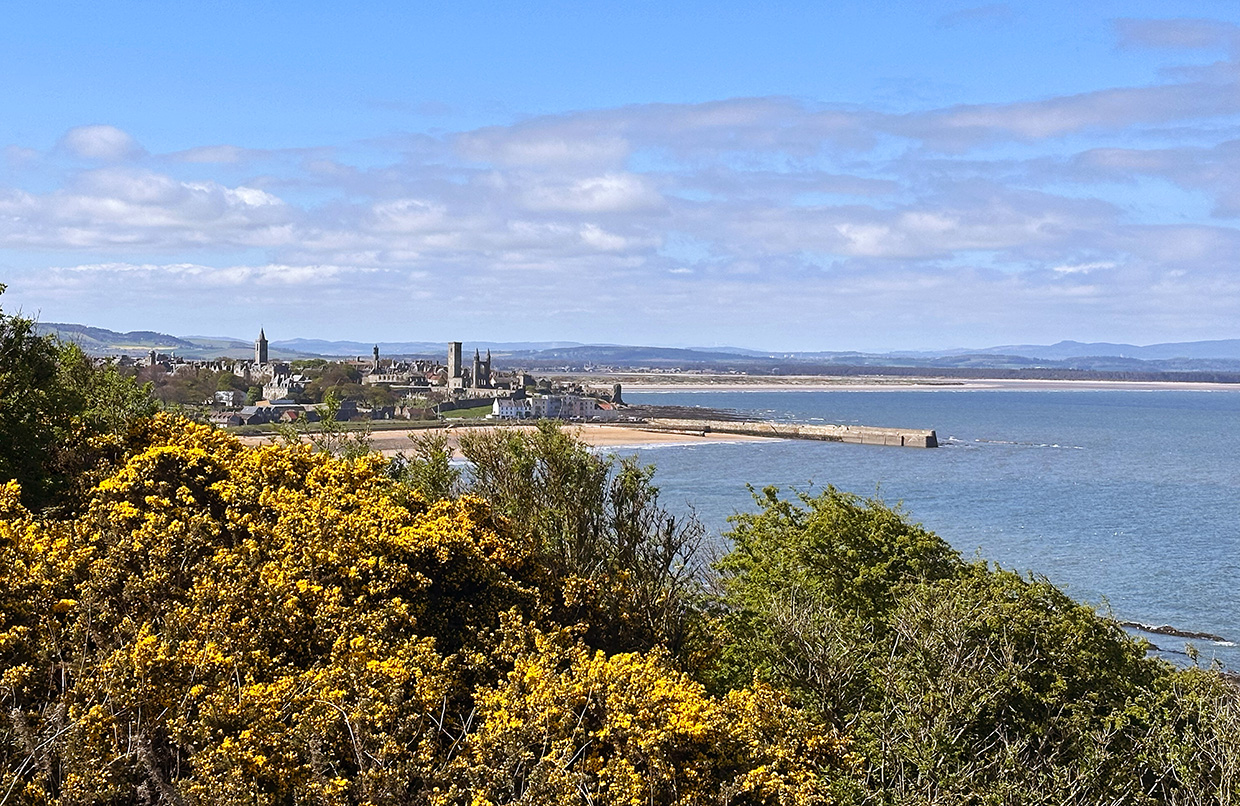
Visit during another season and you may have a completely different experience.
Stay in another neighborhood.
Use a familiar city or town as a base and take day trips to places you haven’t visited.
Or return because your interests have changed.
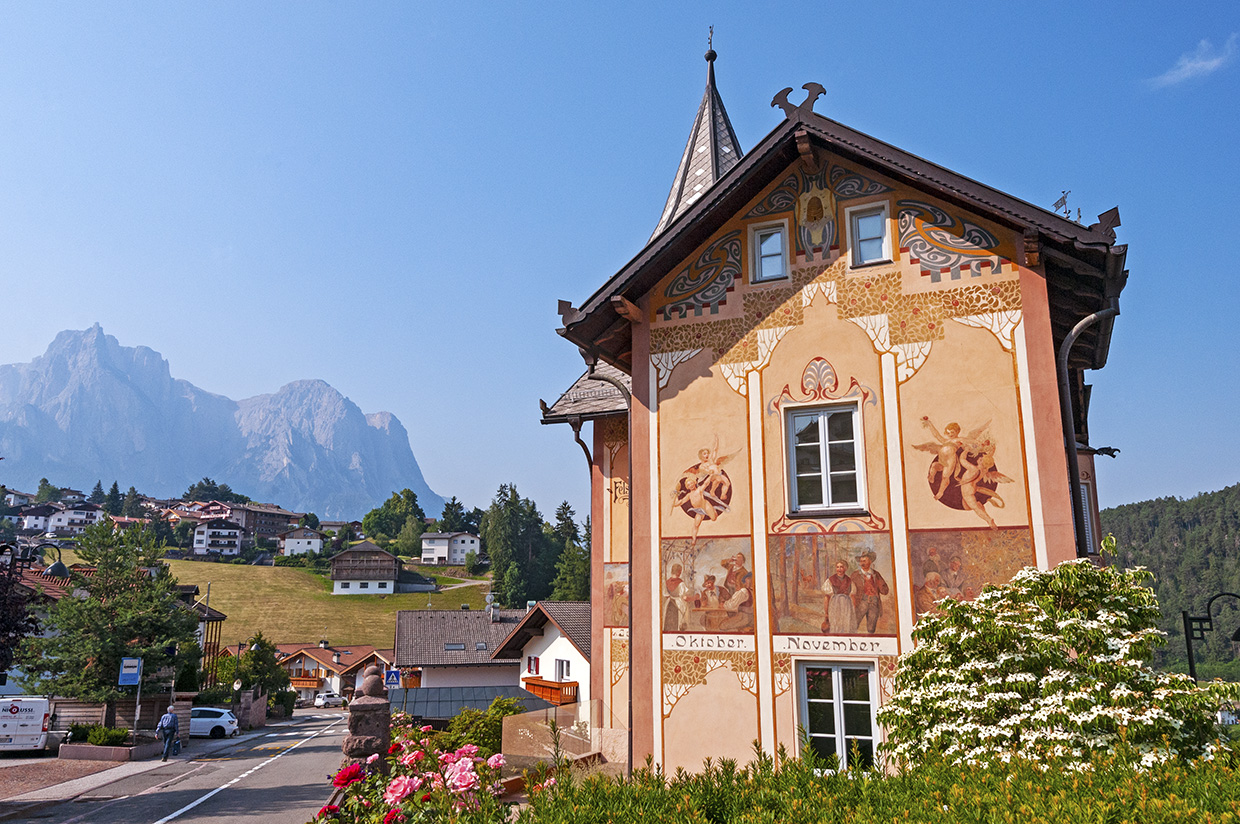
Renee talked about revisiting a destination because she developed a greater interest in Art Nouveau architecture.
Suddenly, she could experience a familiar place through an entirely new lens.
We change as travelers.
So it makes sense that the way we experience a destination can change too.
You notice more when you slow down
Returning to a place also gives you time to notice the things you missed before.
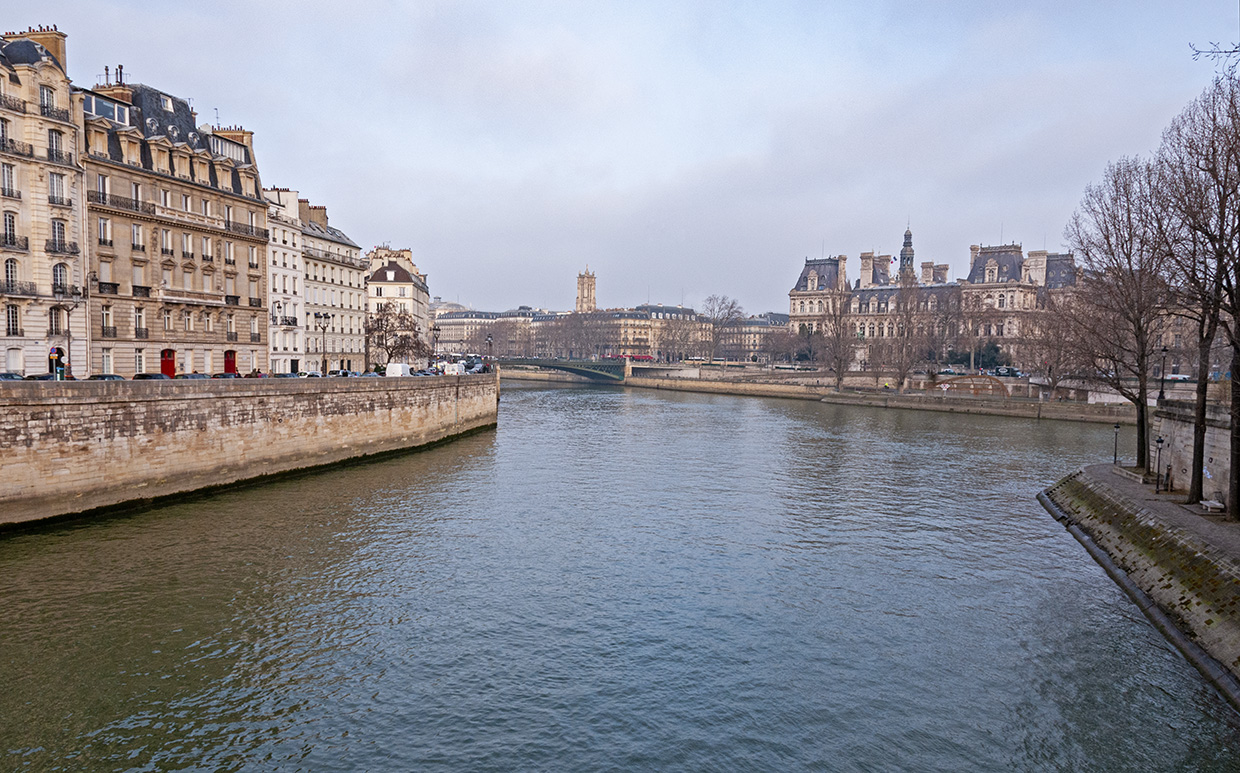
Renee shared a wonderful example from Paris.
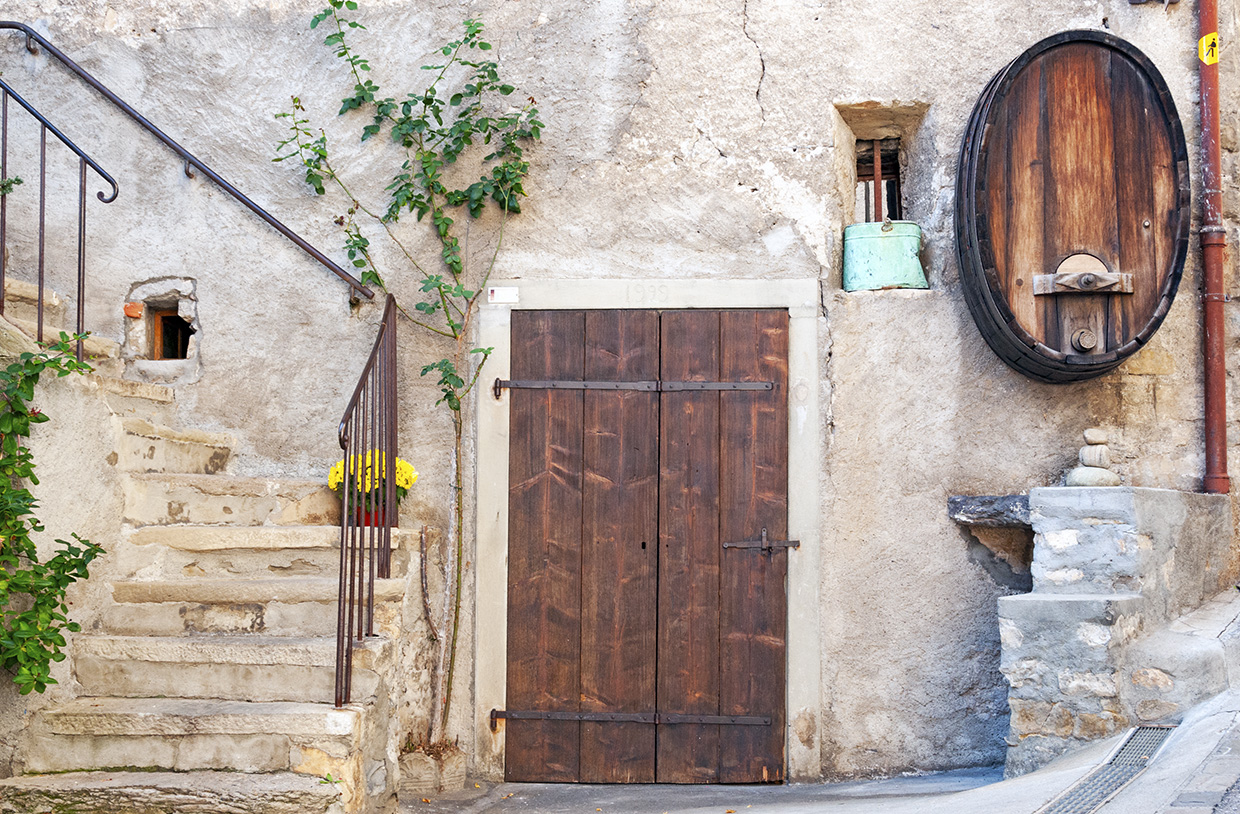
After walking the same streets numerous times, she began noticing gates and doorways she’d passed on previous trips without giving them much thought.
Eventually, curiosity got the better of her and she discovered that some opened into courtyards and gardens tucked behind the buildings.
I’ve had similar experiences.
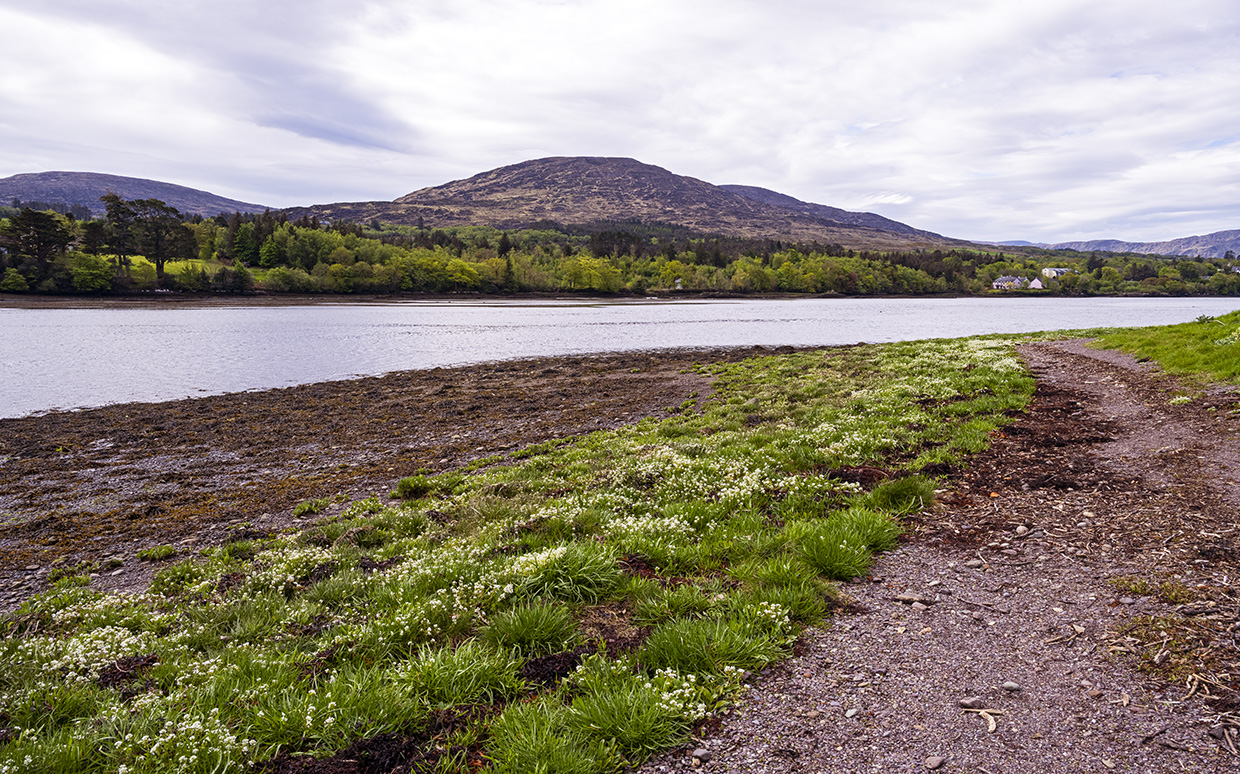
On my fourth visit to Kenmare in County Kerry, Ireland, I discovered a small woodland park on the edge of town that I had somehow missed on every previous trip.
It wasn’t a major attraction.
It was simply a lovely place where locals were walking with their children and dogs and spending time outdoors.
But that’s exactly what I love about revisiting places.
Once you’ve checked off some of the sights, you have more time to wander, get curious and discover the everyday places that give you a deeper sense of a destination.
Mix the familiar with something new
You don’t have to choose between returning somewhere you love and experiencing somewhere new.
Do both.
This is something I often do in my own travels.
Return to a city or town you love and use it as your base for exploring the surrounding area.
Take the train to a nearby village you’ve never visited.
Rent a car for a day and head into the countryside.
Walk a trail you didn’t know about on your first visit.
You get the comfort and ease of somewhere familiar while still satisfying that desire to experience something new.
For me, that can be the perfect combination.
Final thoughts on slow travel in Europe
There is no one right way to travel.
Some people love moving quickly and seeing as many places as possible.
Others are happiest staying put for a while and getting to know one destination more deeply.
But if you often come home from Europe feeling as though your trip was a blur, it might be worth slowing things down a bit next time.
As Renee points out, slow travel isn’t about the amount of time you have.
It’s about how you choose to use that time.
You can embrace slow travel during a two-week trip, a week-long vacation or even for just one afternoon.
And you don’t have to completely change the way you travel.
Start small.
Plan one main activity for the day and leave some room around it.
Wander without checking Google Maps every five minutes.
Sit in the café a little longer.
Return to a place you love without feeling as though you should be going somewhere new.
And before you start filling that next itinerary, come back to one of Renee’s questions that really resonated with me:
How do you want this trip to feel?
Let the answer help guide the way you travel through Europe.
Disclaimer: This post contains affiliate links. This means I will earn a commission – at no extra cost to you — if you click on the link and purchase anything from these trusted companies. It helps Wander Your Way, a small business, stay in business. Thanks for your support!
Like it? Pin it!