
Delving Deeper into Amazing Germany with Cate Brubaker of My Germany Vacation
Germany is so much more than Bavaria, beer gardens and castles.
In this episode of the Wander Your Way podcast, I’m joined by Germany travel expert Cate Brubaker of My Germany Vacation to dig a little deeper into this fascinating and diverse country.
Cate has been traveling to and living in Germany since she spent her senior year of high school there.
She went on to earn bachelor’s, master’s and PhD degrees in German and has spent decades exploring the country.
So when it comes to Germany, she has a lot of knowledge to share!
We talk about some of Cate’s favorite places, including history-filled Berlin, the lively university city of Freiburg and the beautiful Black Forest, and the maritime city of Hamburg in northern Germany.
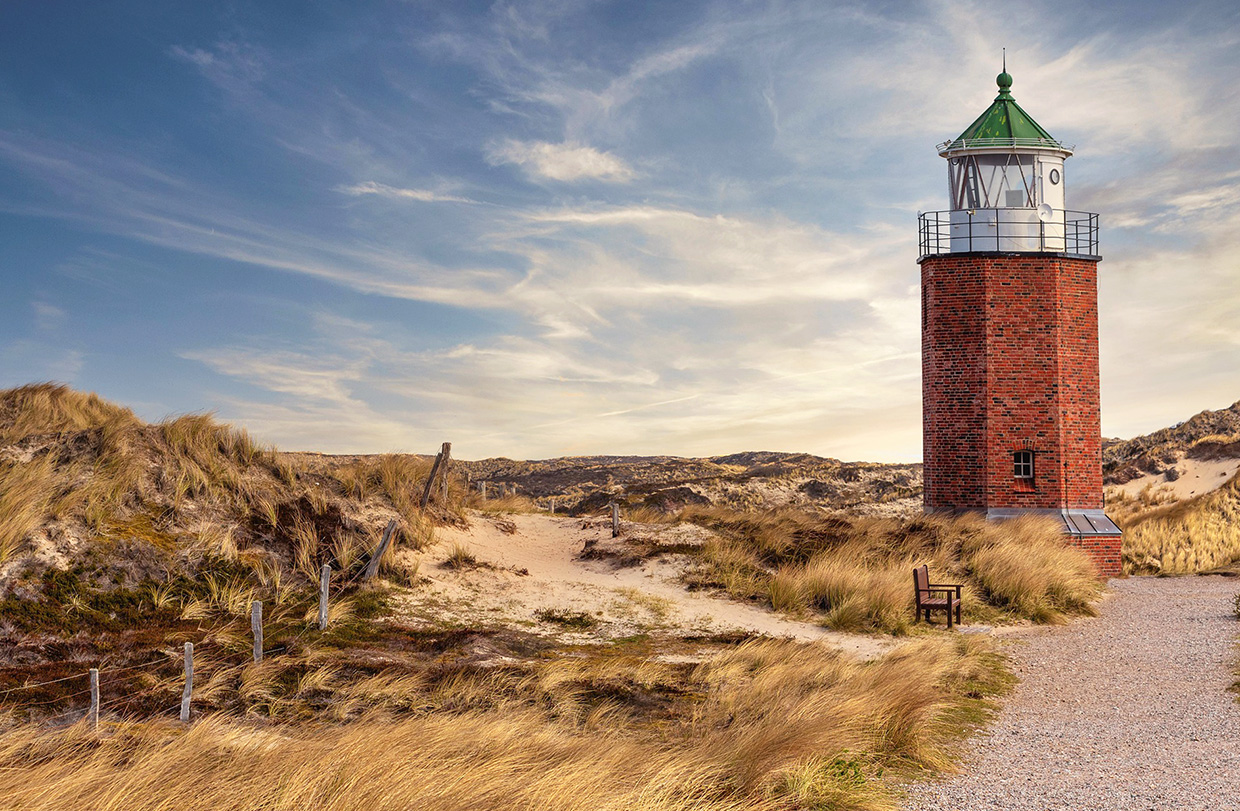
But we venture even farther beyond the usual stops as Cate introduces us to Germany’s northern islands, including Sylt, Rügen and the car-free island of Hiddensee, where you’ll find beaches, hiking trails and landscapes that might completely change the way you picture Germany.
Along the way, Cate shares practical advice about traveling by train versus renting a car, getting around without speaking German and why your travel style should help determine how you move around the country.
And, of course, we couldn’t talk about Germany without talking about Christmas markets!
Cate shares some of her favorites and explains why smaller neighborhood markets can sometimes offer an even more memorable experience than the famous ones.
If you’ve only thought of Germany as Munich and Bavaria, this conversation just might inspire you to dig a little deeper.
Want to chat more about Germany?
Send me a note at Lynne@WanderYourWay.com
In this episode:
1:58: Intro
4:08: Getting to know Cate
13:46: Cate’s top 3 destinations
16:40: Berlin: The Wall
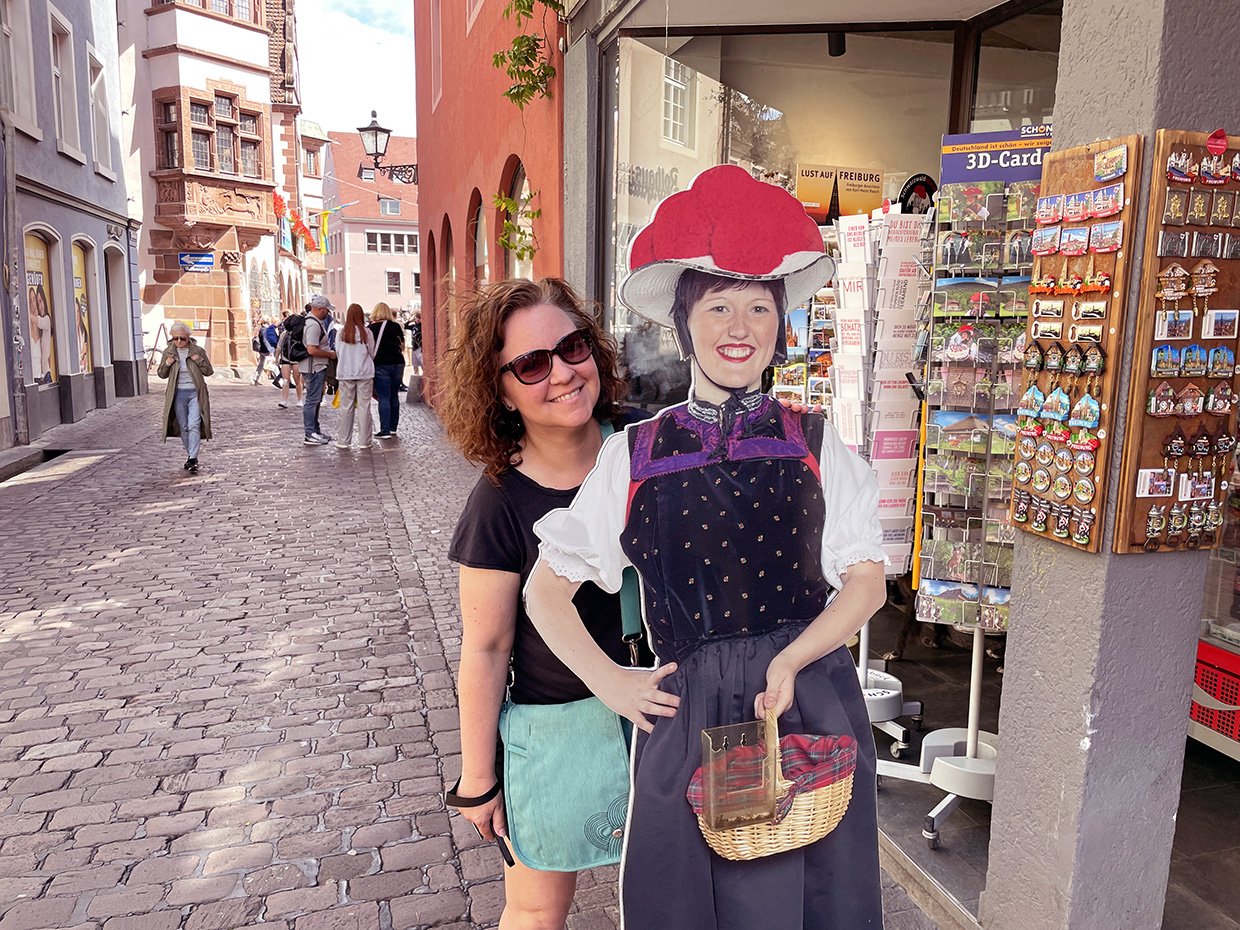
25:51: Freiburg: The Black Forest
39:54: Hamburg: Harbors, Canals, Lakes
48:15: Honorable Mention: The Islands
52:12: Logistics & Tips
55:45: Christmas Markets
1:06:06: Final thoughts
1:08:18: Wrapping it up
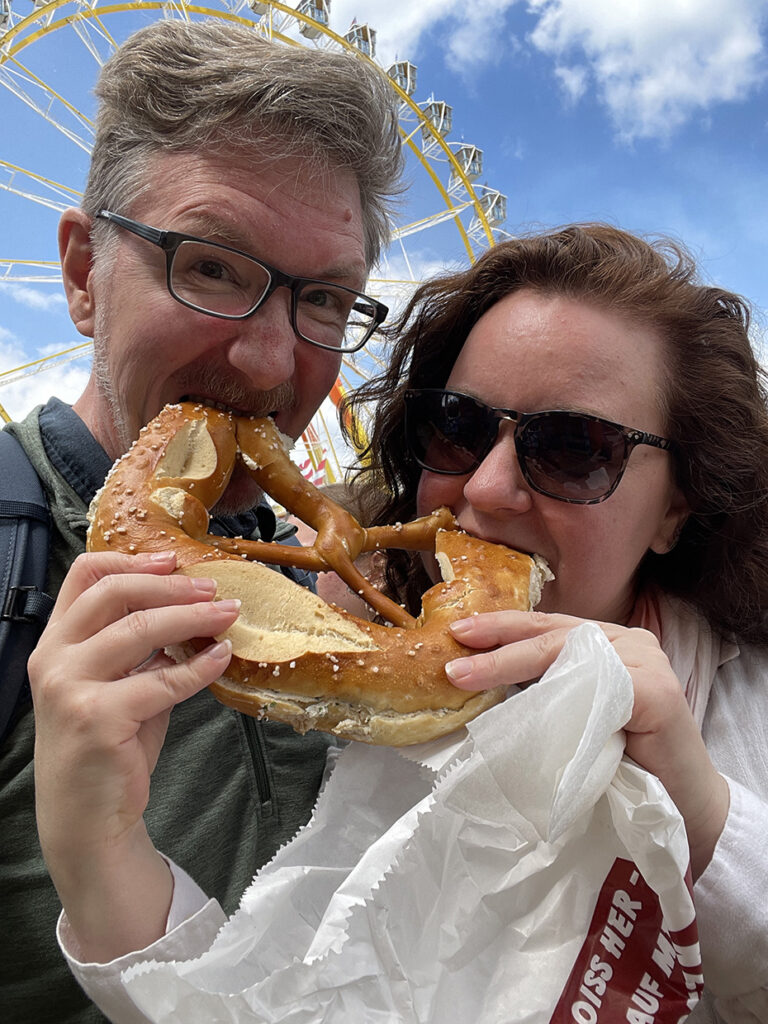

Delving Deeper into Amazing Germany with Cate Brubaker of My Germany Vacation
(For those who prefer to read)
When many travelers think about Germany, Bavaria is often what comes to mind first.
The Alps.
Beer gardens.
Traditional clothing.
Fairytale towns and castles.
And Bavaria is absolutely worth visiting.
But Germany is a diverse country with very different landscapes, cities, traditions and experiences depending on where you go.
That’s exactly why I wanted to talk with Cate Brubaker of My Germany Vacation.
My own travels in Germany have been somewhat limited, so I was excited to bring someone onto the podcast who knows the country incredibly well.
And who could help all of us dig a little deeper into this amazing country.
Cate definitely did that.
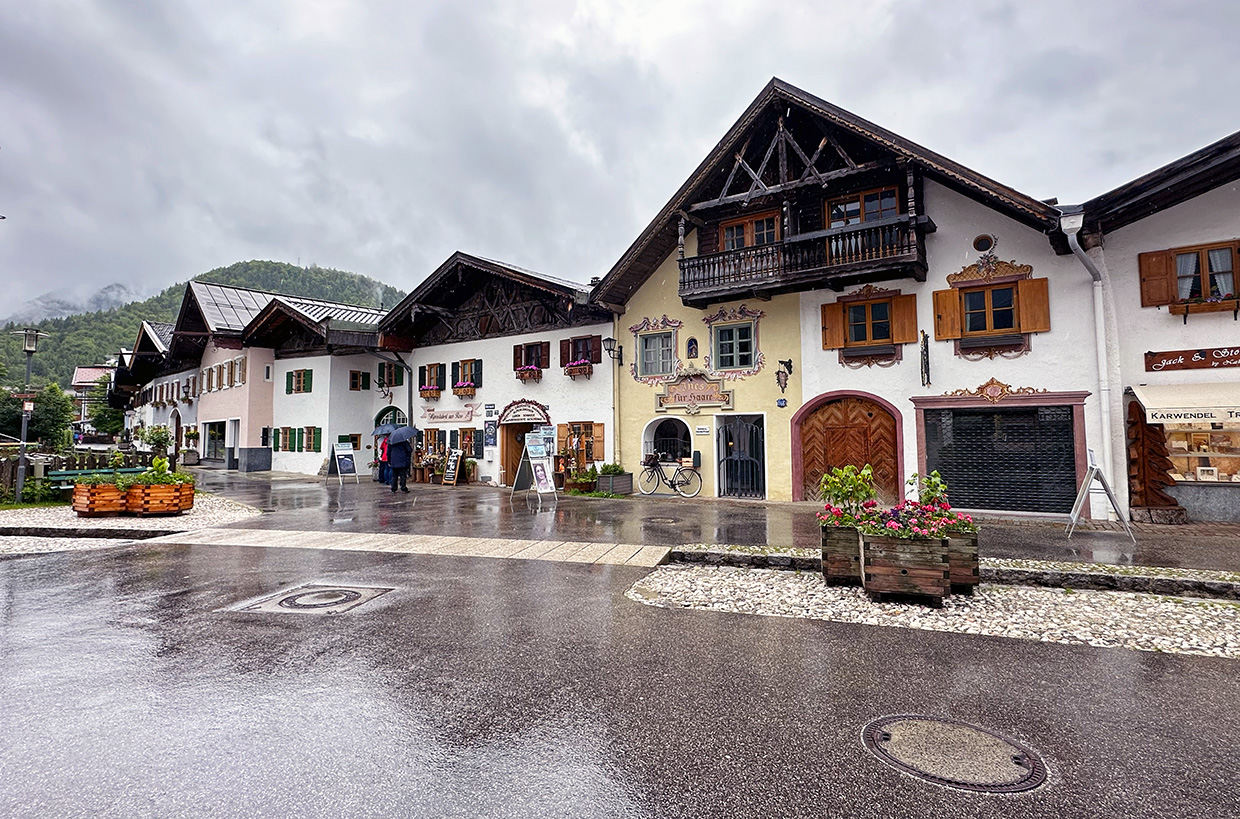
How Cate fell in love with Germany
Cate says she was pretty much born with the travel bug.
Even as a kid growing up in Oregon, she loved exploring, taking different routes and figuring out how places fit together.
She was also fascinated by languages and would check language-learning tapes out of the library just because she loved hearing different languages spoken.
But Germany entered her life in a much bigger way when she was a teenager.
At 15, she met a German exchange student and became fascinated by both him and the German language.
That eventually led Cate to find a scholarship that allowed her to spend her entire senior year of high school living with a German family and attending a German school.
And she kept going back.
Cate later earned bachelor’s, master’s and PhD degrees in German and spent years living, studying, teaching and traveling throughout the country.
Eventually she and her husband, Aaron, turned that deep knowledge into My Germany Vacation, where they help travelers plan their own trips to Germany.
So yes.
She knows Germany!
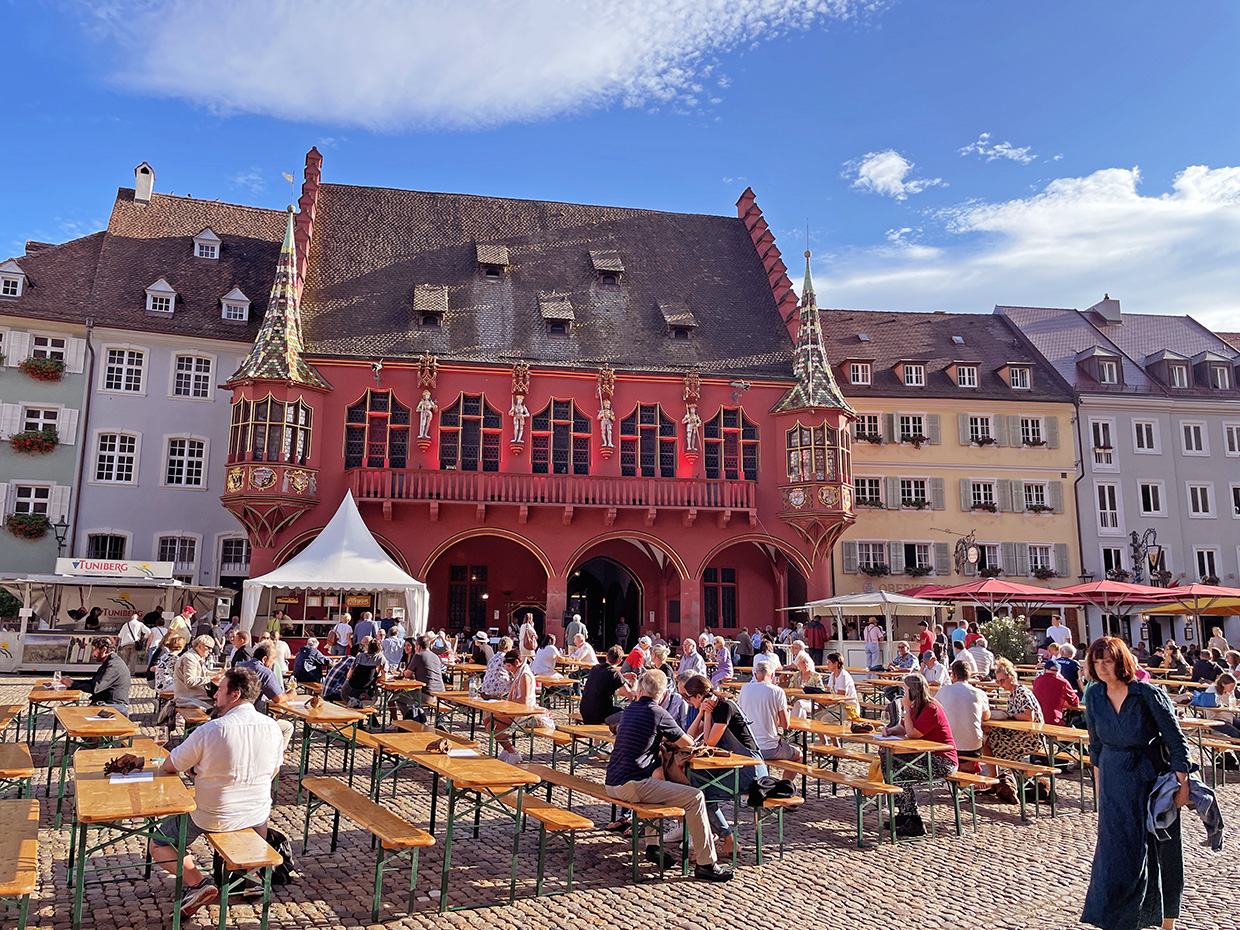
Germany is more than Bavaria
One of the things Cate emphasized is something I talk about frequently when it comes to Europe in general —
Don’t assume one part of a country represents the entire country.
Bavaria is probably the image you have of Germany.
But other parts of the country can feel completely different.
Cate’s three favorite places illustrate that perfectly: Berlin, Freiburg and Hamburg.
Each offers a very different Germany travel experience.
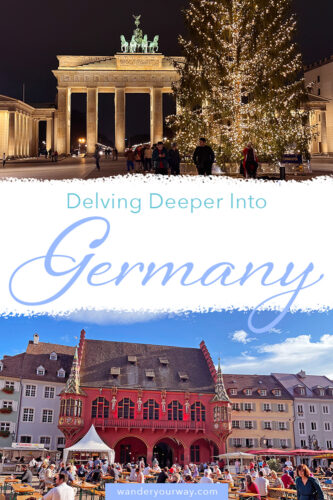
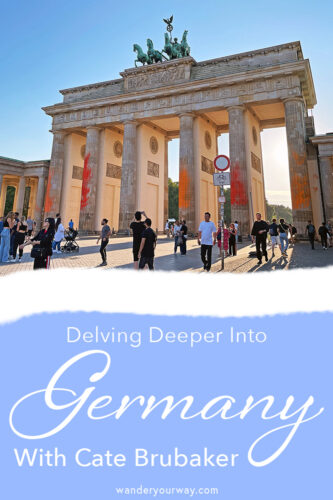
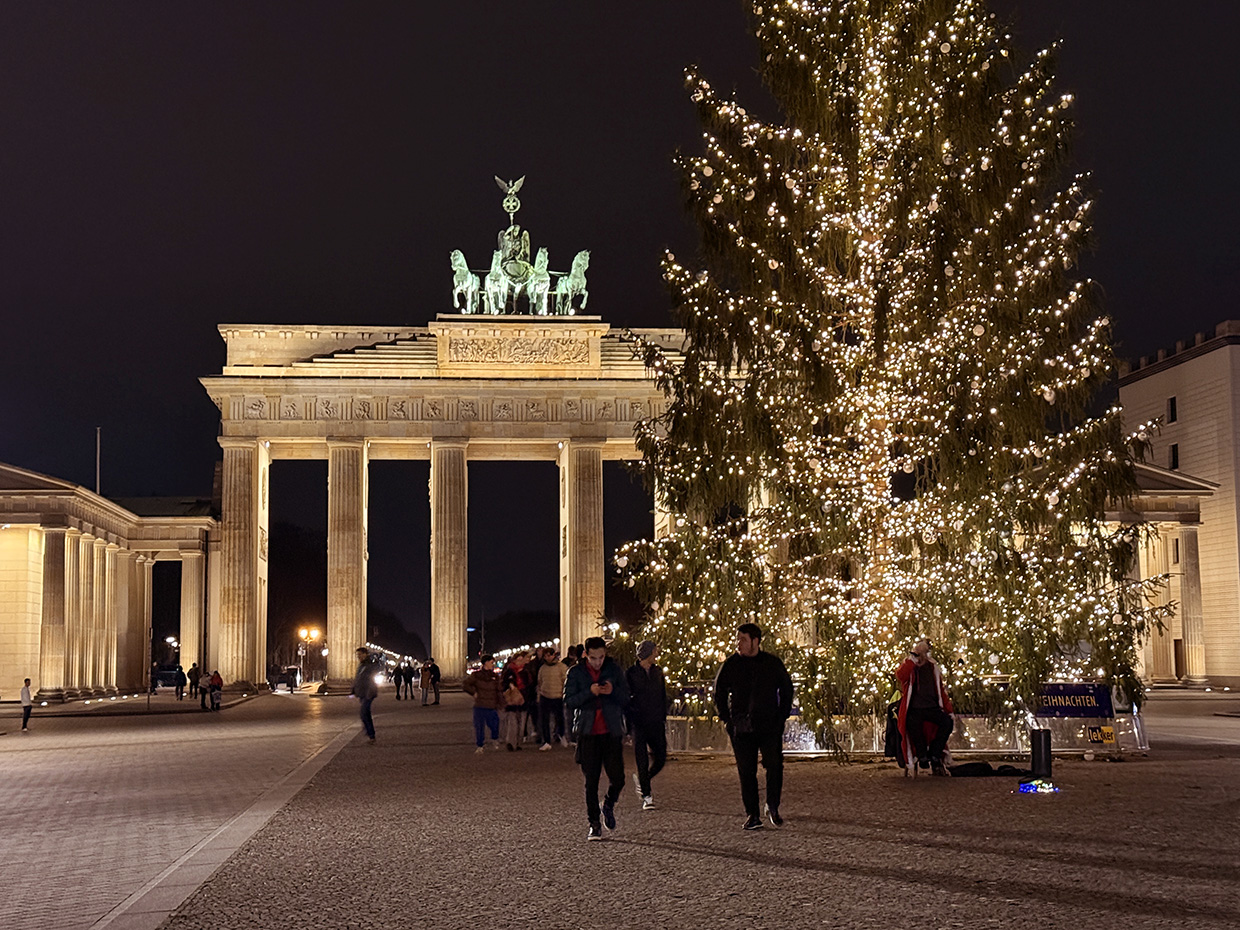
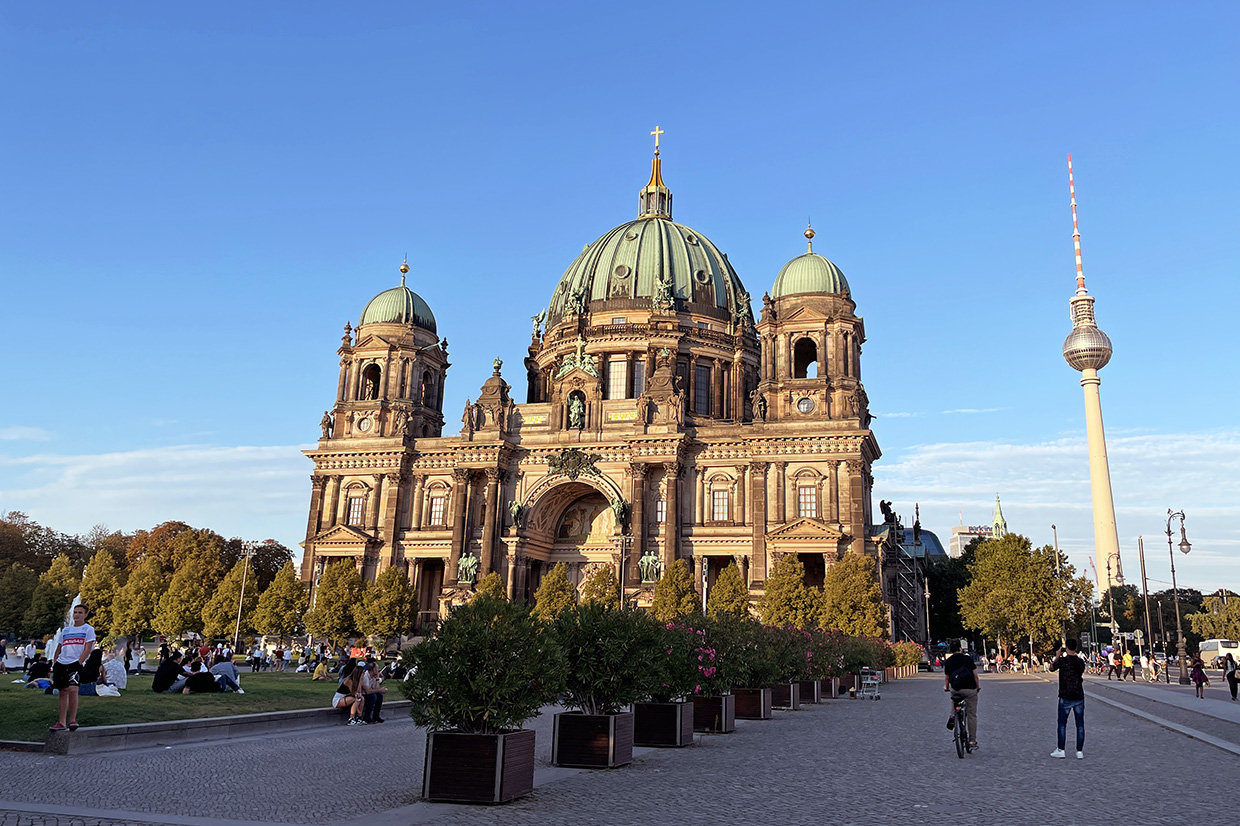
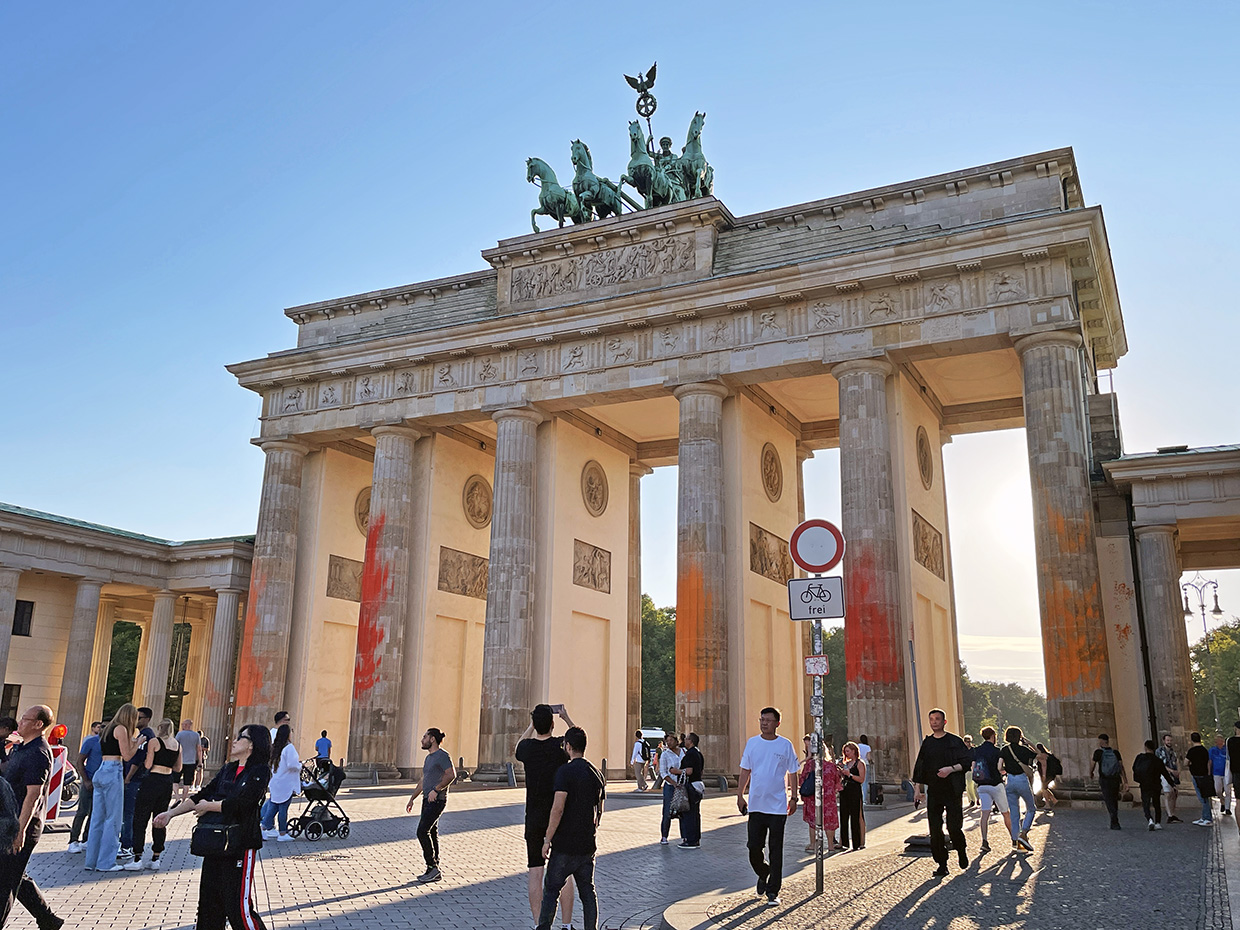
Berlin — a city with layers
Berlin is Cate’s favorite city in Germany, although interestingly, she didn’t love it immediately.
Her connection with Berlin grew as she learned more about its history.
Cate first visited in 1991, not long after the Berlin Wall came down and during the amazing (and difficult) period of German reunification.
She remembers being able to clearly see the differences between East and West Berlin.
Over subsequent visits — and after studying Berlin more deeply in graduate school — she began to understand just how many layers the city has.
That’s also why Cate recommends taking a guided tour in Berlin.
Unlike some European cities where many of the historic sights are concentrated in one compact old town, Berlin is large and spread out.
A good walking tour or private guide can provide context for what you’re seeing and help you understand the history surrounding you.
There are also fascinating neighborhoods to explore, food tours to take and plenty of opportunities to simply wander.
And you know I’m always in favor of a good wander.
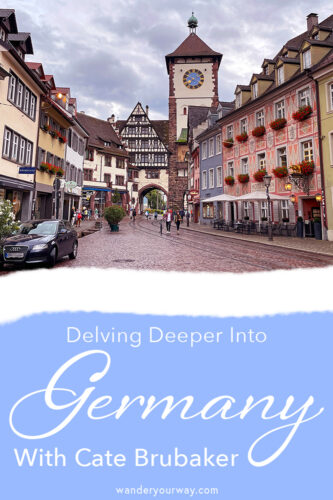
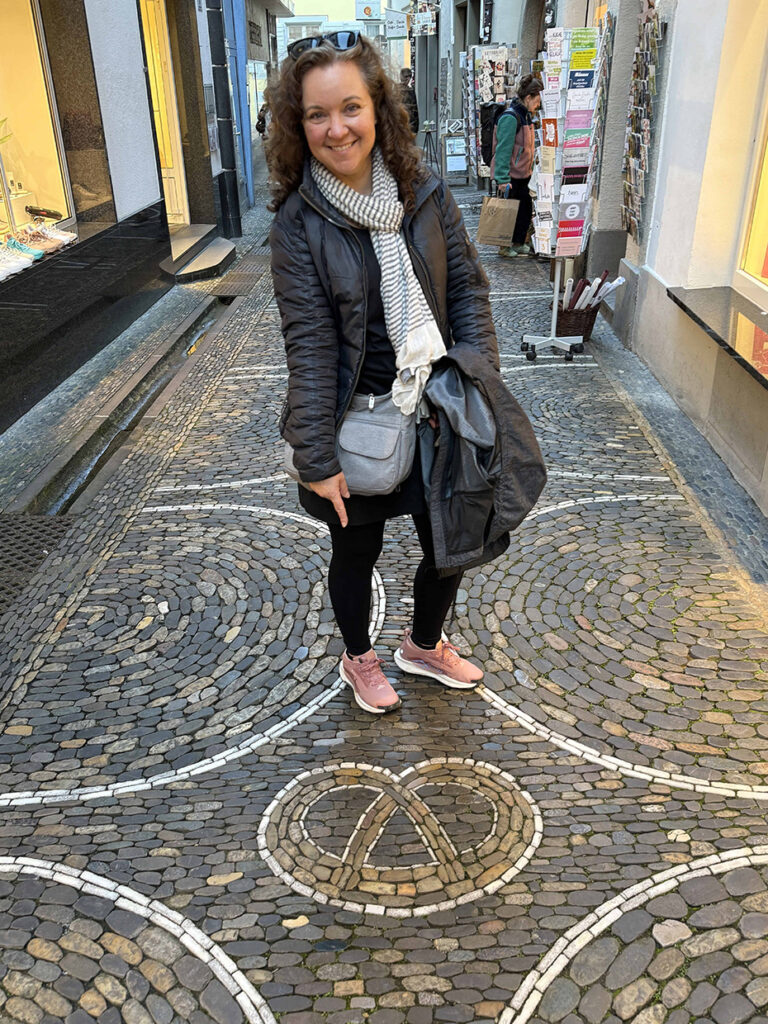
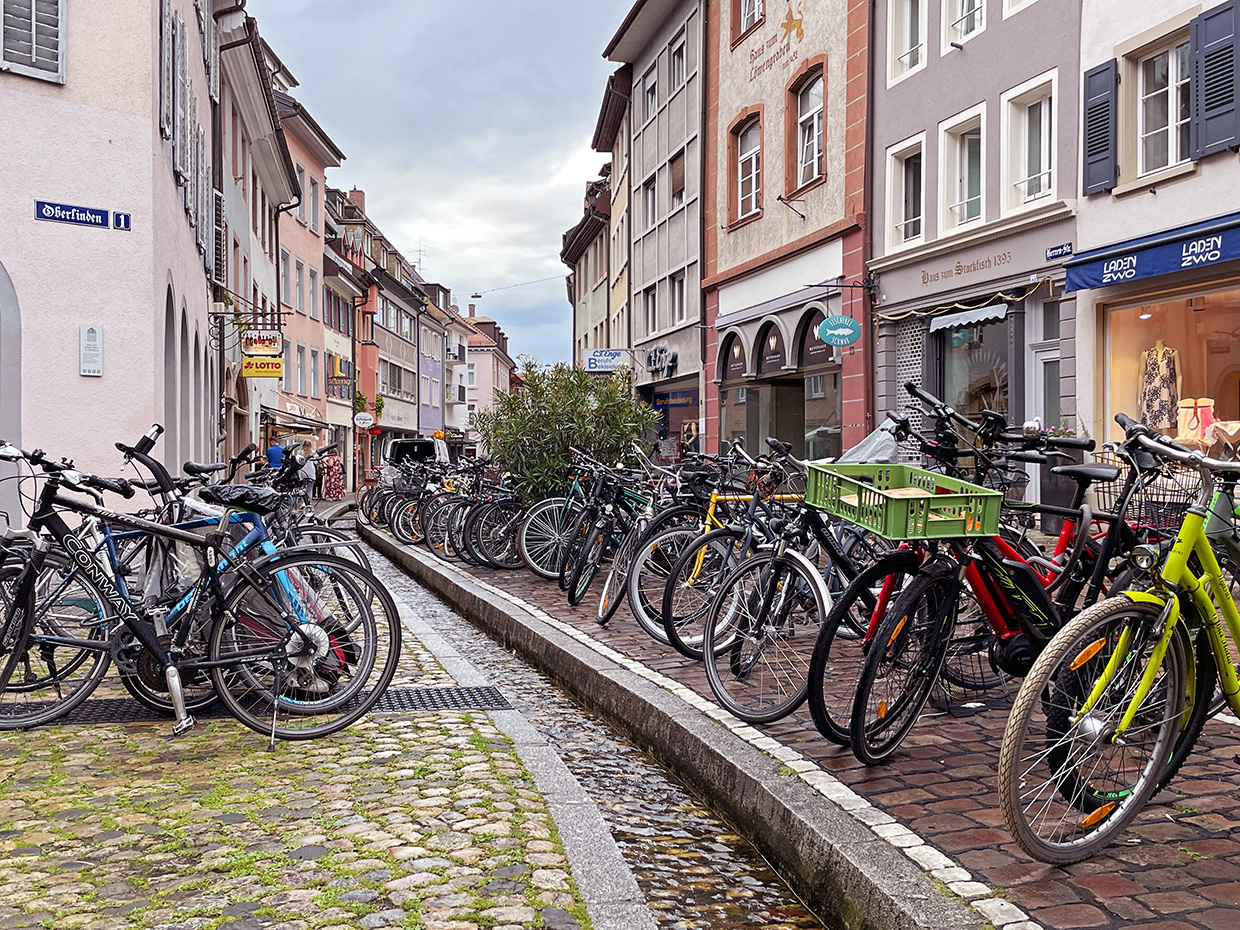
Freiburg and the Black Forest
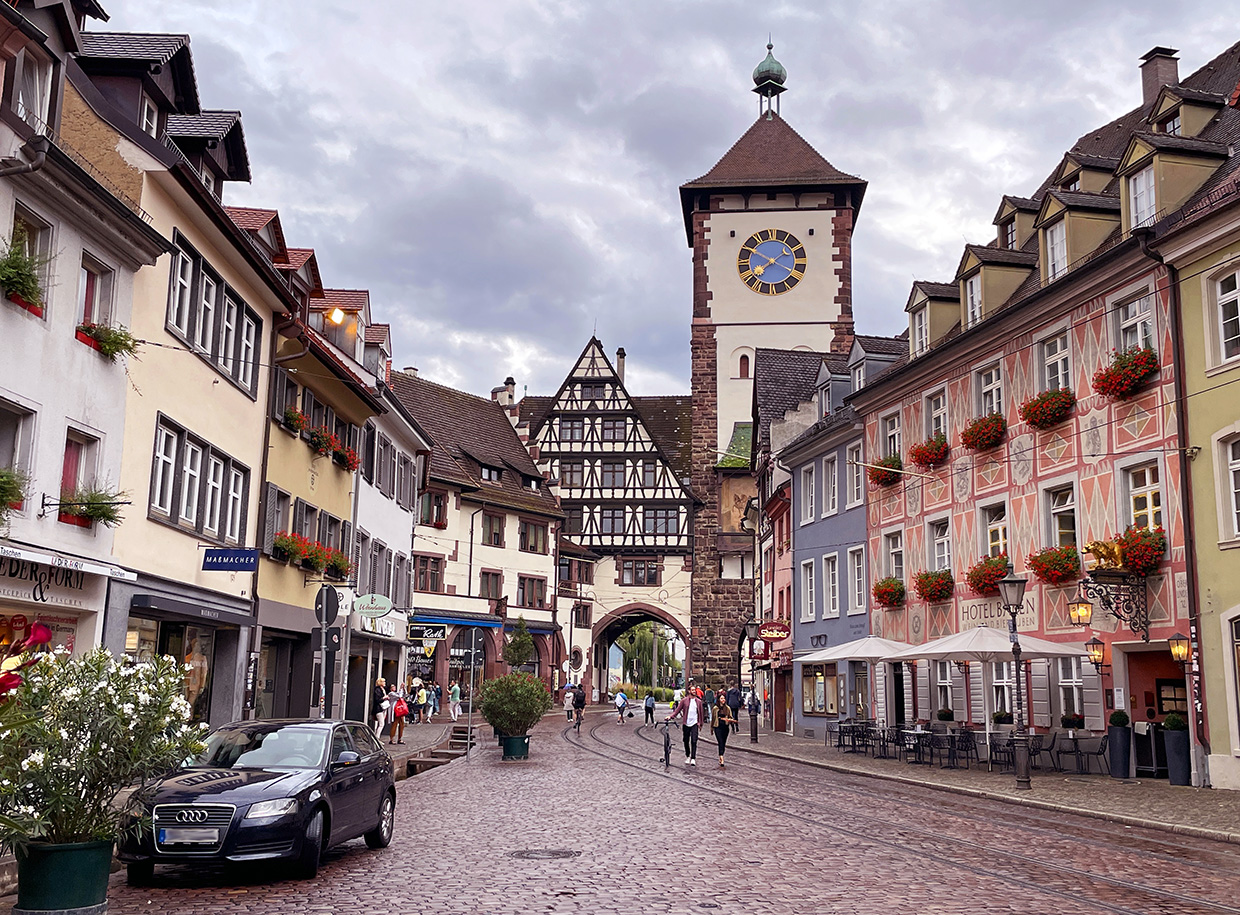
Freiburg offers a completely different experience from Berlin.
Located near the Black Forest in southwestern Germany, Freiburg is a smaller university city with cobblestone streets, historic buildings, cafés, restaurants and that youthful energy.
It also feels like a real, lived-in city rather than a town that exists primarily for visitors.
I love university towns for exactly that reason.
They tend to have good cafés, cultural events, music and a great vibe.
While I haven’t been to Freiburg itself, I have spent some time in the Black Forest.
I’ve explored a bit of the region and done some walking there, so I can definitely vouch for the beautiful landscape.
Freiburg makes a wonderful base for getting out and exploring more of the Black Forest.
Cate recommends having a car if you really want the freedom to explore this region.
You can drive through valleys, forests and rolling countryside while stopping in small towns along the way.
One option is Triberg, known for its cuckoo clocks and waterfall.
Cate also recommends the Black Forest Open Air Museum, where you can explore traditional farmhouses and learn more about the history and everyday life of people who lived in the region.
And there are plenty of opportunities for walking and hiking throughout the Black Forest — something I experienced firsthand and would happily do more of.


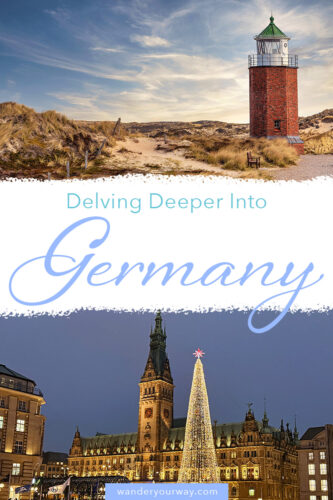
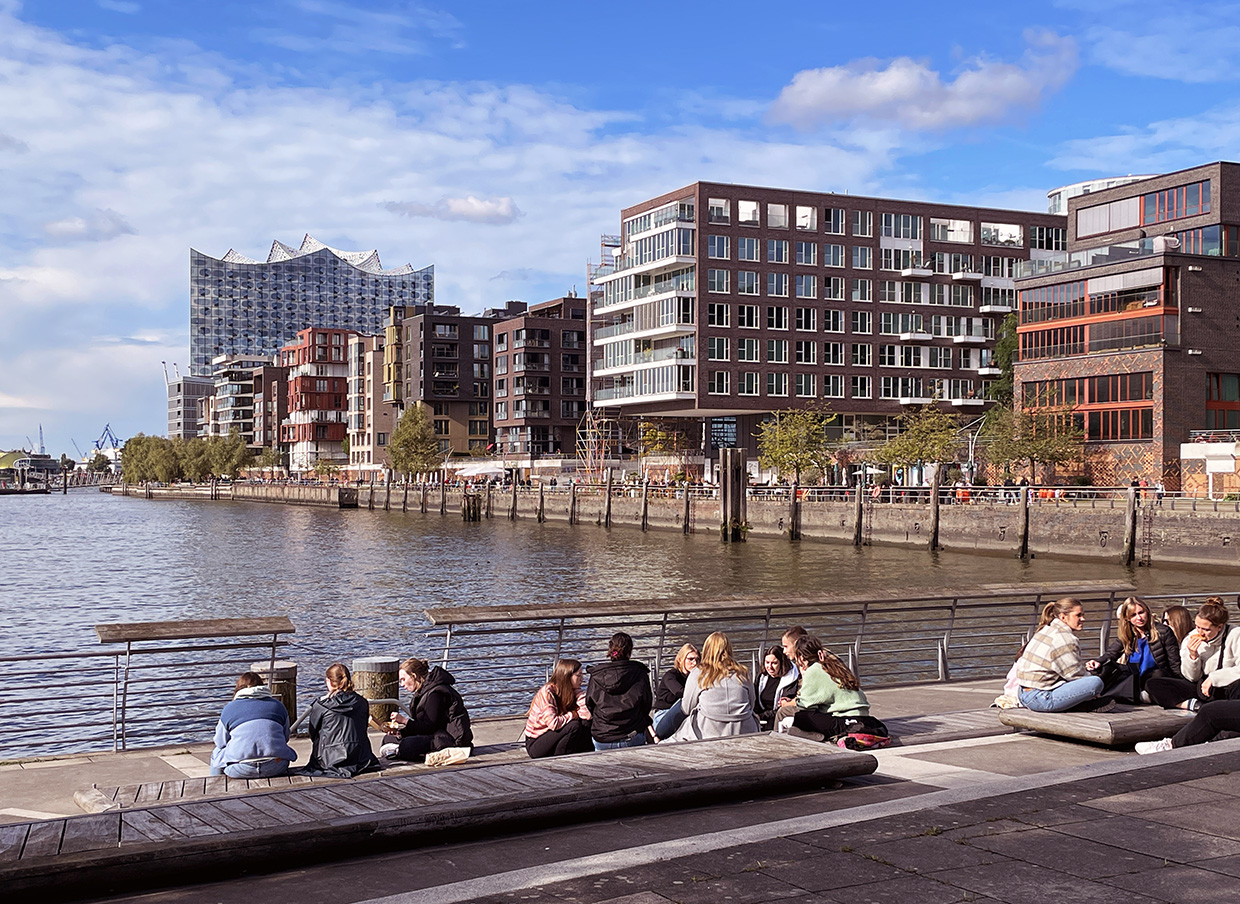
Hamburg and Northern Germany
Then Cate took us north.
Hamburg doesn’t seem to make its way onto many Germany itineraries.
And that’s exactly what makes it interesting.
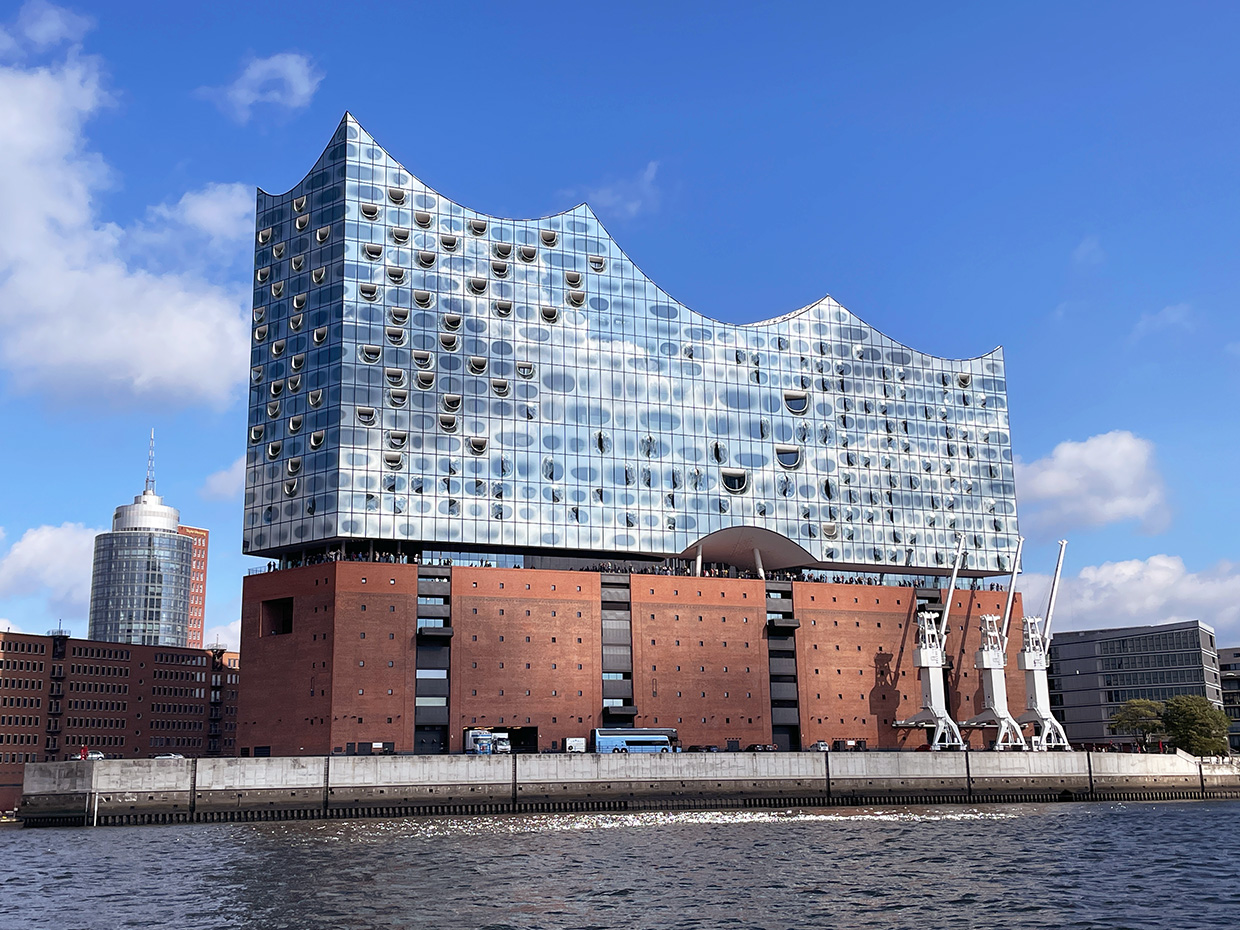
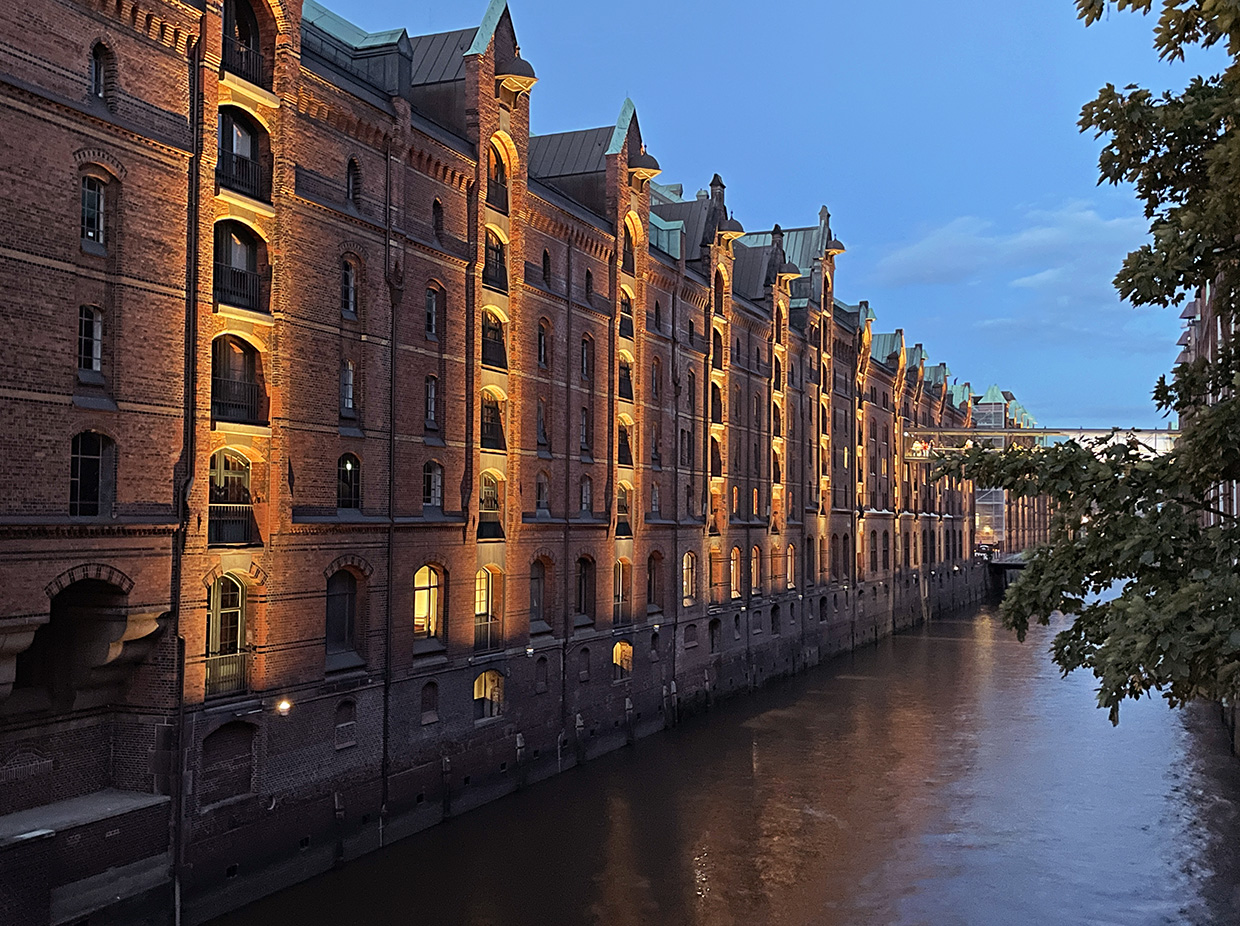
The city has a strong maritime identity thanks to its location along the Elbe River and its enormous harbor.
Cate recommends taking a harbor cruise, which gives you a chance to see the historic Speicherstadt warehouse district as well as the modern working port and its massive container ships.
Hamburg also has canals, waterways and the Alster lakes right in the city.
One experience Cate particularly loved was renting a canoe and paddling through some of the smaller canals, passing neighborhoods and seeing the city from the water.
Now that’s my kind of soft adventure.
Cate also encourages travelers to venture even farther into northern Germany because the landscape, architecture and overall feel can be so different from the south.
In fact, she often suggests combining two distinctly different regions on one Germany trip so you can experience that contrast.
Germany has islands too
Germany probably isn’t the first country that comes to mind when you think about an island getaway.
While I knew from research that Germany had islands, I don’t think many travelers — especially those coming from the US — realize just how many coastal and island experiences the country offers.
Cate mentioned Sylt, near Denmark, with beaches, thatched-roof houses, restaurants and plenty of walking and hiking.
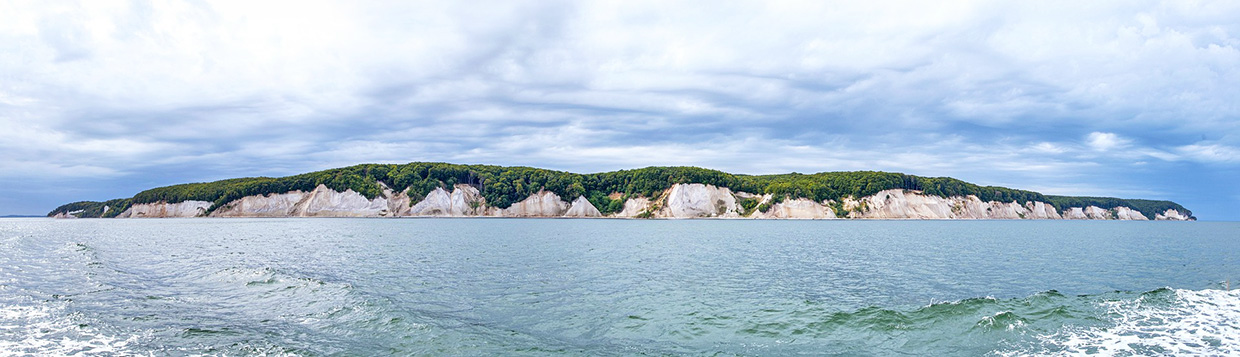
She also loves Rügen in northeastern Germany.
Rügen offers small towns, beaches, walking trails and striking white chalk cliffs.
Nearby Hiddensee is a small car-free island where visitors can walk, cycle or get around by horse-drawn carriage.
These are the kinds of places that really intrigue me — destinations where many of the other travelers may actually be Germans on holiday rather than international tourists.
It’s another reminder of just how much variety there is in Germany.
Should you travel Germany by train or car?
Of course I had to ask Cate about transportation.
And her answer was one I completely agree with —
It depends on where you’re going and how you like to travel.
If your Germany itinerary is primarily focused on cities, you probably don’t need a car.
Germany has extensive public transportation, and cities are well served by trains, trams, buses and metro systems.
But if you want to explore rural areas, smaller towns or places like the Black Forest, having a car gives you much more freedom.
Cate also brought up an important question when considering train travel —
How will you react if something goes wrong?
Train delays, cancellations and last-minute platform changes can happen.
Some travelers roll with those situations easily.
Others find them incredibly stressful.
Transportation isn’t just about what looks easiest on a map.
It needs to work for you and your travel style.
And let’s not forget about the Christmas Markets
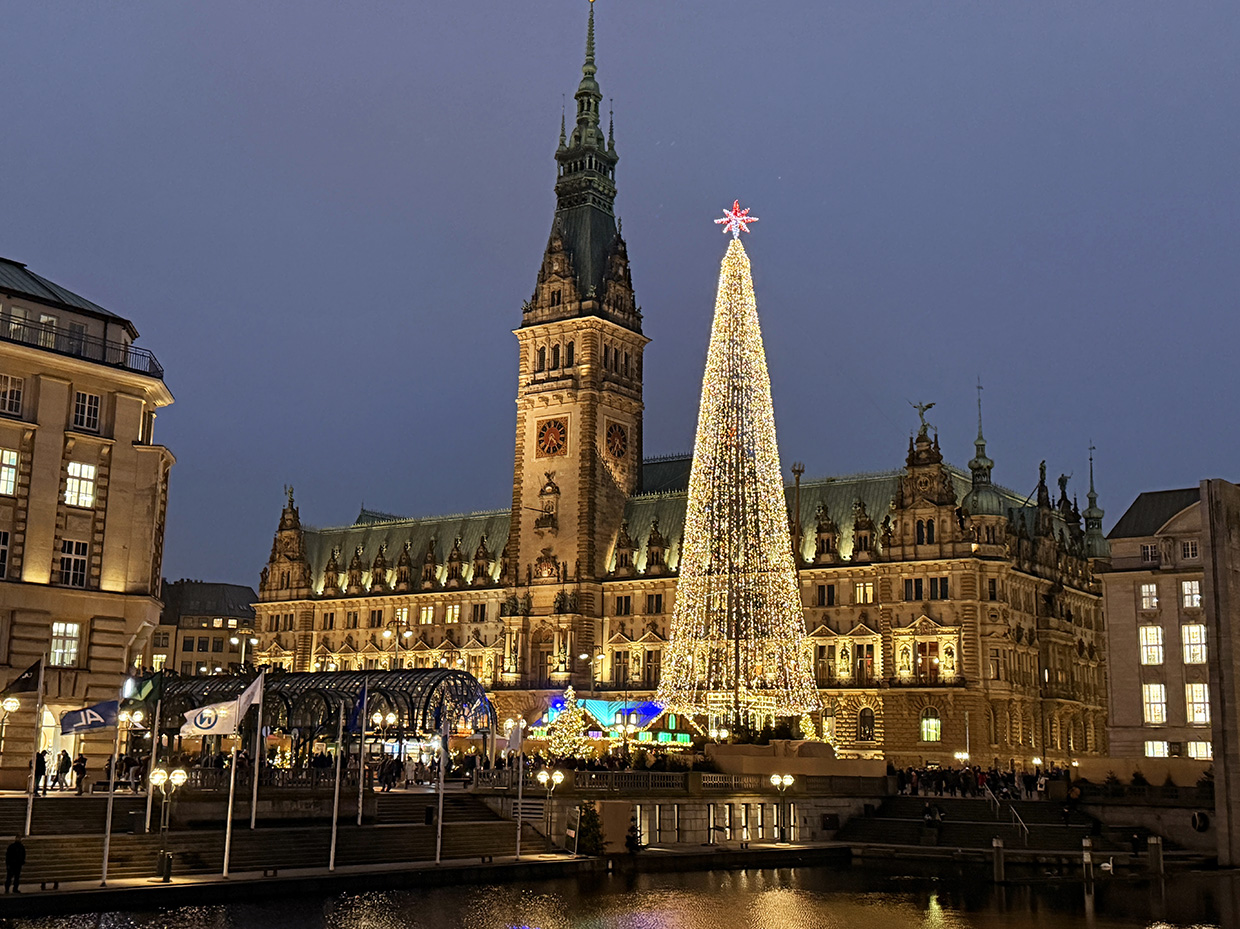
We couldn’t talk about Germany without getting into Christmas markets.
Cate and Aaron have visited hundreds of them.
Yes.
Hundreds.
She likes some of the famous markets, including those in Cologne and Munich.
But she also encourages travelers to seek out smaller neighborhood and town markets.
Those smaller markets can offer something the most popular Christmas markets sometimes lose — a sense of local community.
People meet friends and neighbors, enjoy something warm to drink, listen to music, eat and simply spend time together during the season.
One of Cate’s current favorites is Wernigerode in the Harz Mountains.
With its small historic center, castle on the hill, lights, local families and choir music, Cate said it felt like stepping into a Hallmark Christmas movie.
And one important tip?
If possible, visit Germany’s Christmas markets before Christmas.
While some markets continue afterward, Cate says many of the local vendors, crafts and entertainment disappear, so you don’t get quite the same experience.
Excellent advice!
Final thoughts on Germany
Cate and I barely scratched the surface on Germany.
And that’s exactly what I loved about this conversation.
Germany isn’t one landscape, one culture or one type of travel experience.
You can explore the complicated history of Berlin, wander through a lively university city like Freiburg, drive into the Black Forest, experience maritime Hamburg, hike along the coast of a German island or sip something warm at a tiny Christmas market surrounded by locals.
Cate’s enthusiasm for Germany is infectious.
And after talking with her, I’m pretty sure I need to spend more time there.
There’s a lot to explore!
Want to learn more about traveling in Germany?
Visit Cate and Aaron at My Germany Vacation.
You can also find their Germany Travel Planning podcast, YouTube channel and Facebook community for even more Germany travel advice.
Note: All images are Cate’s unless otherwise noted.
Disclaimer: This post contains affiliate links. This means I will earn a commission – at no extra cost to you — if you click on the link and purchase anything from these trusted companies. It helps Wander Your Way, a small business, stay in business. Thanks for your support!
Like it? Pin it!