
12 Excellent Little Things That Make Traveling in Europe Easier

Ever shown up hungry to a restaurant that’s closed?
Or wondered whether you’re supposed to weigh your own apples at the supermarket?
Maybe you’ve found yourself without any coins at a public toilet?
Sometimes it’s the wee things that can catch you off guard when you’re traveling in Europe.
So in this episode, I share 12 practical little tips I’ve picked up on my own travels, often by making a few mistakes along the way.
I’ll talk about which currency to choose when you pay by card (your own or the local currency?) and how to figure out what needs to be booked ahead of time.
I’ll also tell you why I always say bonjour when I walk into a shop in France and what I look for before I book a place to stay.
Whether you’re planning your first trip to Europe or heading back for your ninth adventure, I bet there’s a tip here you’ll be glad to have.
And if you’ve got one to add, I’d love to hear it!
Send me an email at Lynne@WanderYourWay.com.
In this episode:
2:04: Intro
3:58: Check store schedules
7:20: Check transportation schedules
8:59: Credit cards & cash
11:41: Public toilets aren’t always free
14:25: Differences in parking
18:07: Grocery shopping
22:00: Book ahead
24:50: Learn some of the local language
27:03: Carry food and water
28:53: Differences in accommodation
31:22: Chargers and phones
34:50: Be flexible
37:15: Final thoughts
38:53: Wrapping it up


12 Excellent Little Things That Make Traveling in Europe Easier
(For those who prefer to read)
There’s a moment in just about every trip when I think, “Oh, so that’s how they do it here.”
Sometimes it’s at the supermarket, where I’m watching the people around me to see what I’m supposed to do with my apples.
Sometimes it’s when I realize that my idea of a late lunch and the restaurant’s idea of lunchtime are two very different things.
I’ve learned a lot from those wee moments.
And even after years of traveling in Europe, I still have them.
So here are 12 little things that make traveling in Europe easier, picked up over plenty of trips and a few mistakes of my own.
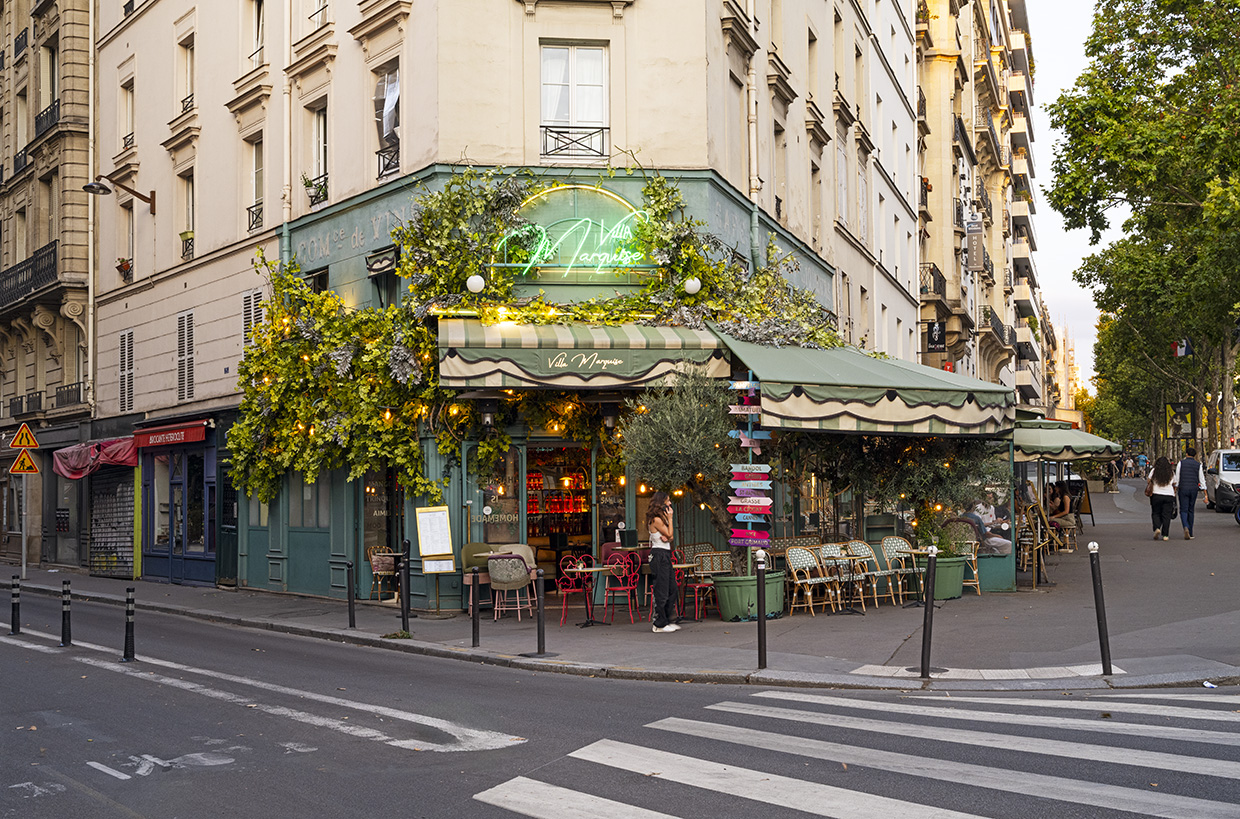
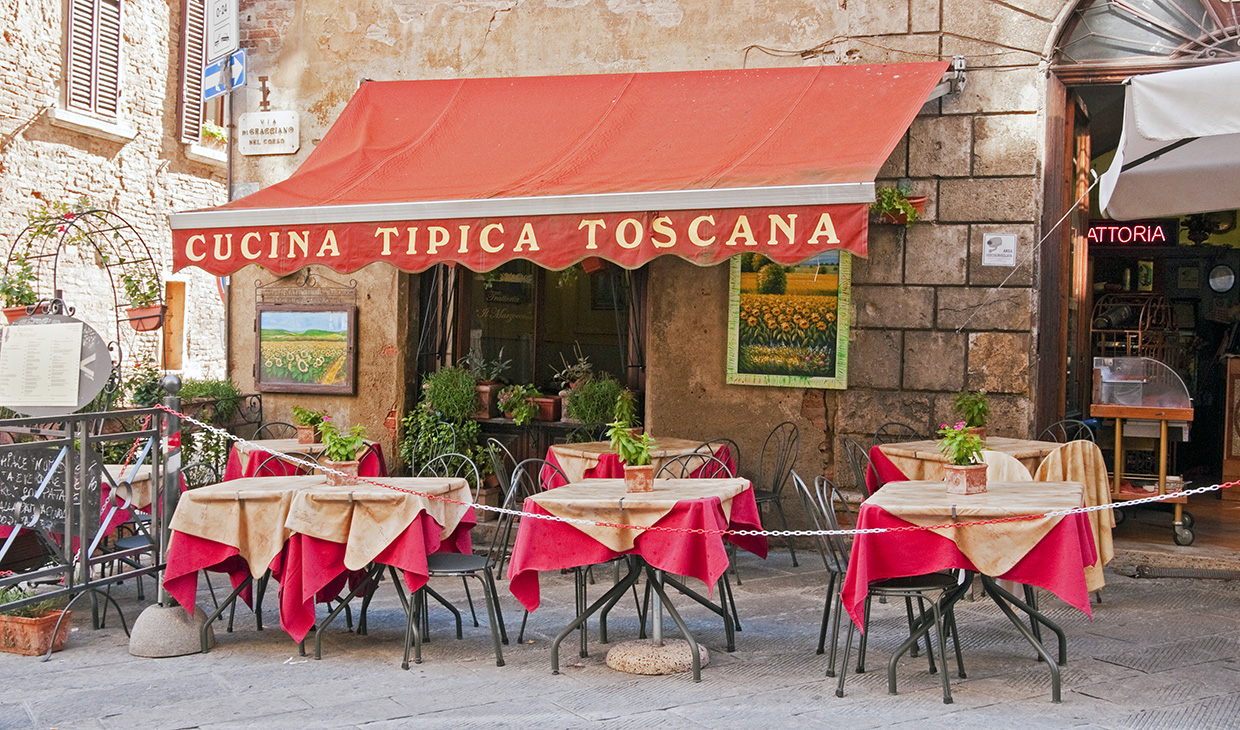
#1 Check opening hours before you go
On my first trip to Geneva, my friend Lynn (Lynn without an “e”) told me on Saturday that we needed to get groceries for Sunday.
I could imagine a shop closing on Sunday in a small village.
A supermarket in Geneva?
That surprised me.
Check opening hours for the day you’ll actually be there.
Shops may close for a few hours around lunchtime, restaurants may take a break between lunch and dinner, and some places cut back their hours once the busy season is over.
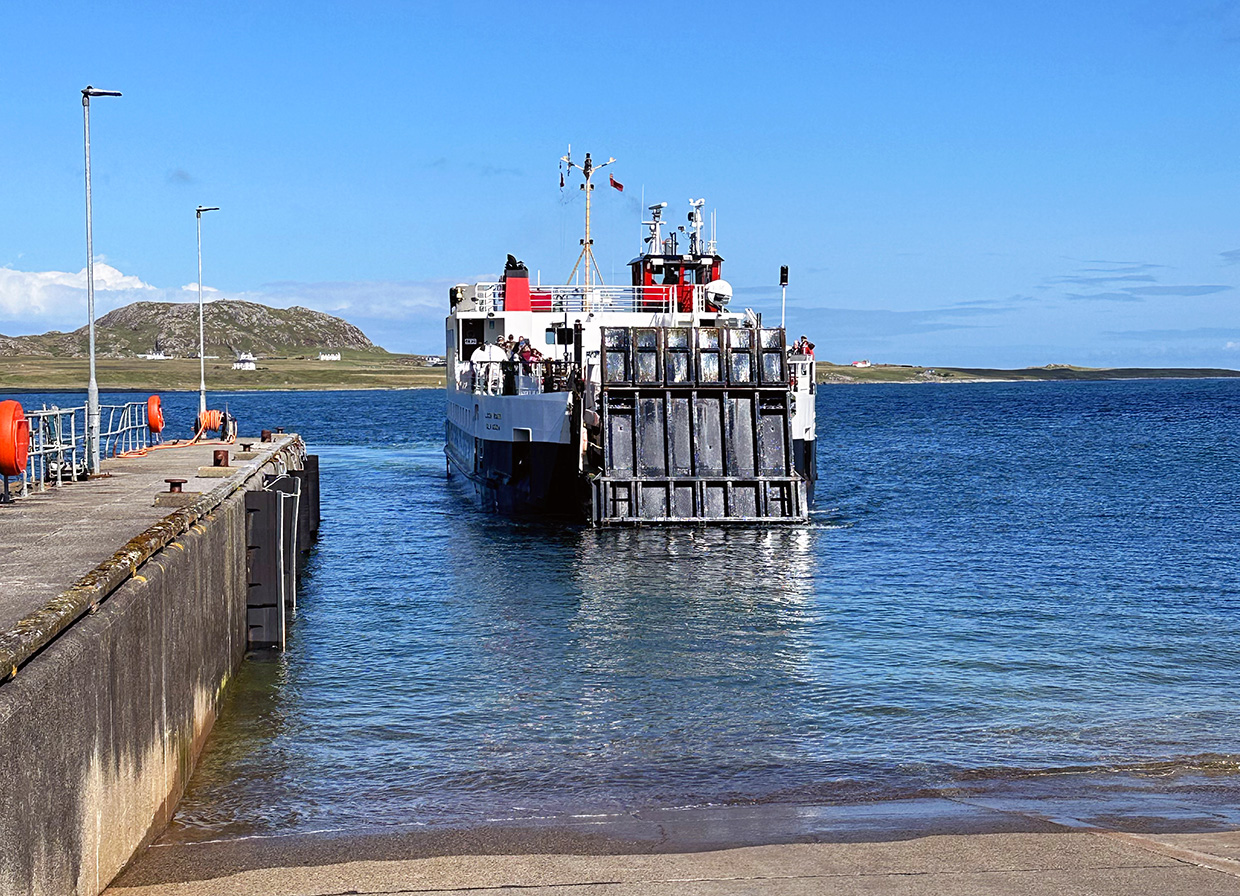
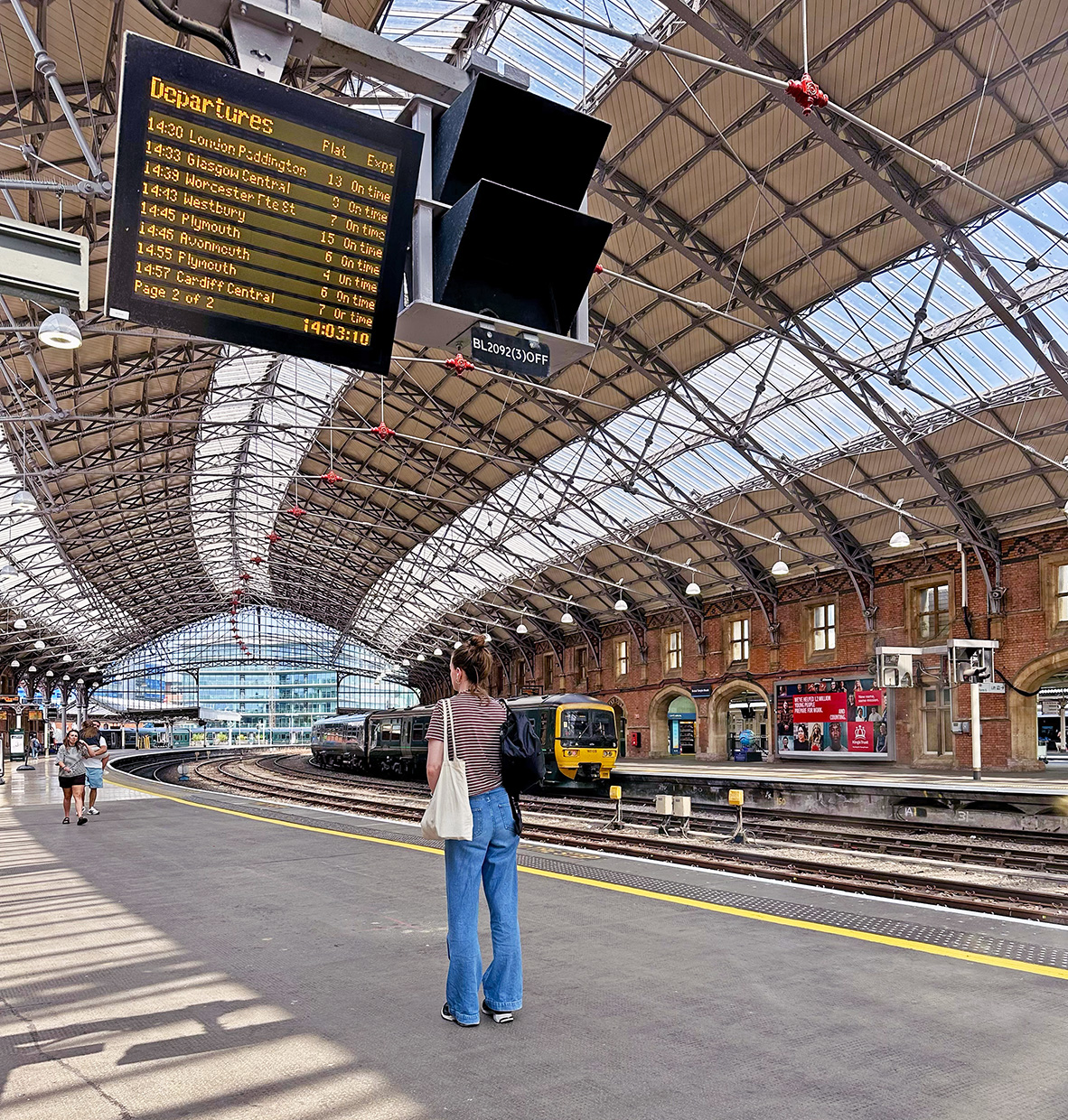
#2 Double-check your train, bus and ferry schedules
A timetable you looked at six months ago might have changed by the time you travel.
Buses, trains and ferries can run less frequently on Sundays and public holidays.
And some routes have different summer and winter schedules.
Check again closer to your trip, especially if you’re counting on the last bus or ferry of the day.
This is one of those little things that make traveling in Europe easier because it could become a big mishap if you are expecting to get to a destination on a certain day at a certain time.
#3 Carry a little cash and pay in the local currency
I use my card for most things in the UK and Europe.
But I still carry a few bills and coins, especially when I’m heading to smaller towns because you never know if you may need some cash.
And here’s one of those things that make traveling in Europe easier that you must know — if the card machine asks whether you want to pay in your home currency or the local currency, choose the local one.
You get a better exchange rate when you choose the local currency.
You’re welcome!
#4 Keep a few coins handy for public toilets
This is definitely one of those little things that make traveling in Europe easier — and more comfortable.
Some public toilets charge a small fee.
I know.
It seems silly, but that’s how things roll.
So having some coins so you can go to the loo is a must.
Now, I’ve used one near West Sands in St Andrews that took cards.
But that is the exception (I think) rather than the norm.
So having a few coins is handy.
And if you’ve stopped for coffee or a bite to eat, use the facilities while you’re there.
Your future self may thank you.
#5 Read the parking signs before you wander off
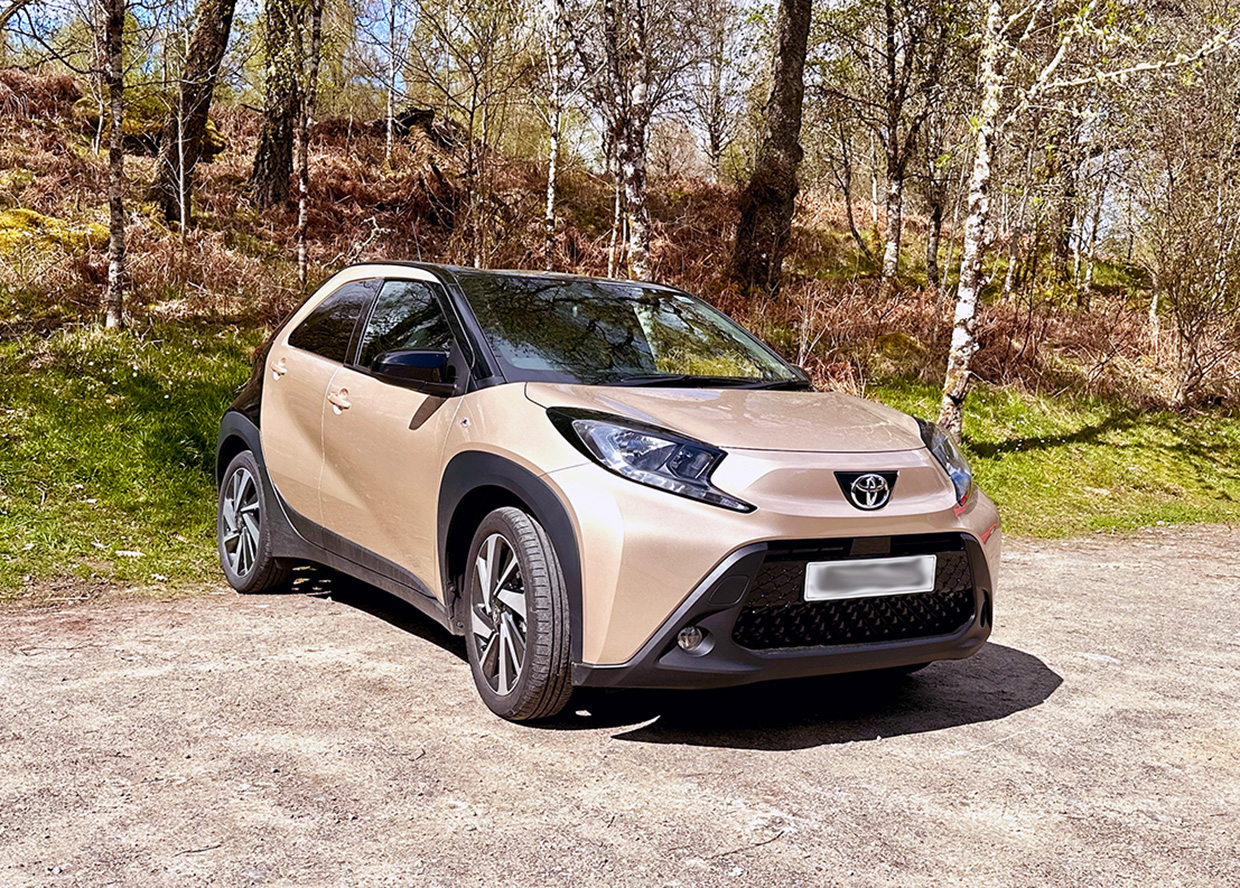
When it comes to parking, be sure to read all signs as best you can.
This is when a language translation app comes in handy.
There are many pay-and-display lots.
Here you usually pay when you arrive and put the ticket on your dashboard.
Know your license plate number for this.
I typically take a photo of the rental car’s plates on my phone so I always have it handy.
In some parking garages, you take a ticket on the way in and pay before you leave.
Check the signs for time limits, payment instructions and any restrictions, especially if you’re parking on the street in a town center.
#6 Watch how the locals shop for groceries
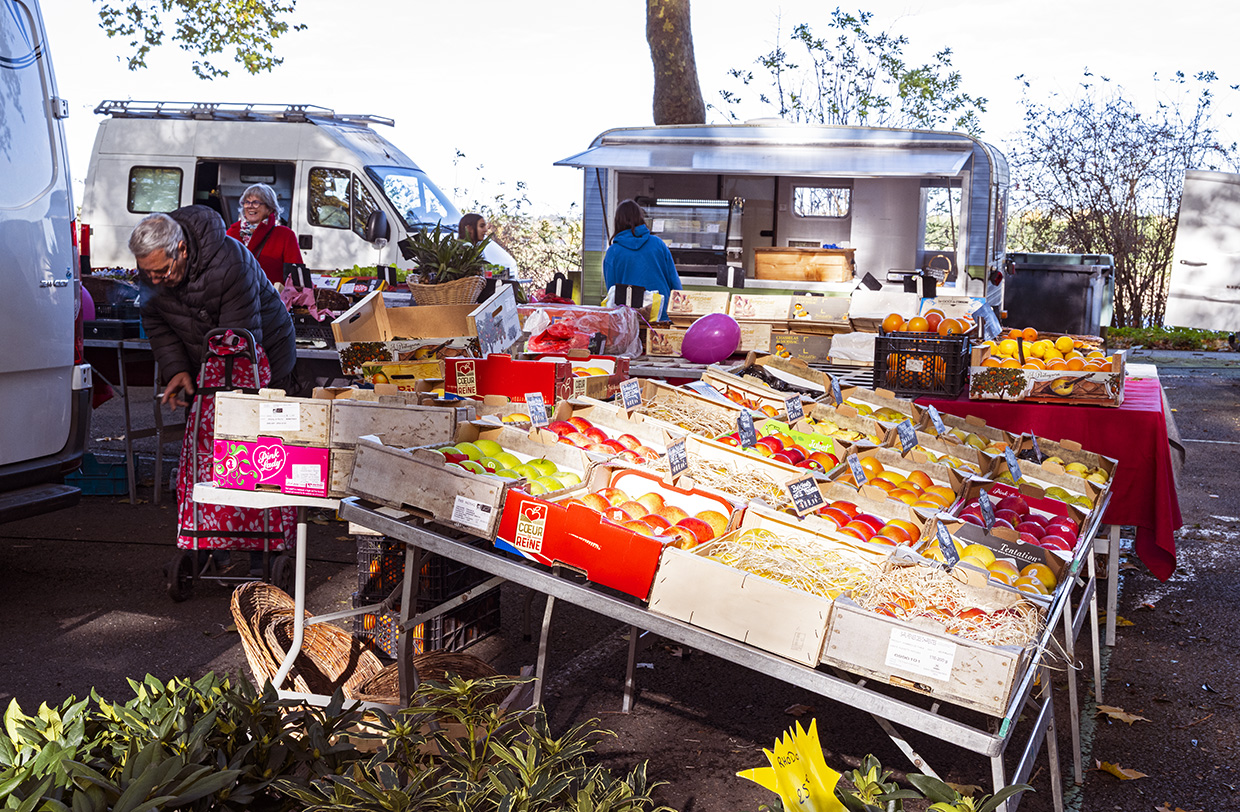
On one of my first trips to Italy, I reached for some delicious-looking tomatoes at a little market and got a swift “No, no, no!”
The vendor was going to pick them out for me.
Lesson learned!
In some supermarkets, you’ll need to weigh and label your own produce before you get to the checkout.
If you’re unsure, take a wee look at what the other shoppers are doing.
And bring a reusable bag as plastic bags (and single use plastics in general) are not as readily available in Europe.
If you can get plastic bags, it will cost a wee amount to purchase them.
My advice is if you don’t have a reusable bag or 2, purchase one as a souvenir.
I still have a couple I picked up in Germany at a lovely organic market.

#7 Book the things you’d hate to miss
If there’s a museum you’ve been dreaming of visiting, a small guided tour you really want to take or a restaurant a friend swears you’ll love, book it ahead of time.
Don’t risk missing out on some experience that is at the top of your list.
Also be sure to check for weekly closing days before you build your plans around a visit.
And note that many sites such as museums or castles have timed entry tickets — especially uber popular sites.
Once you have the things booked you really don’t want to miss, leave room in your itinerary to see what you stumble across.
While it’s good to book the “I don’t want to miss these experiences”, it’s also good to have a wee bit of flexibility to follow your travel intuition.

#8 Learn a few words in the local language
My French, as you all know by know, is pretty limited.
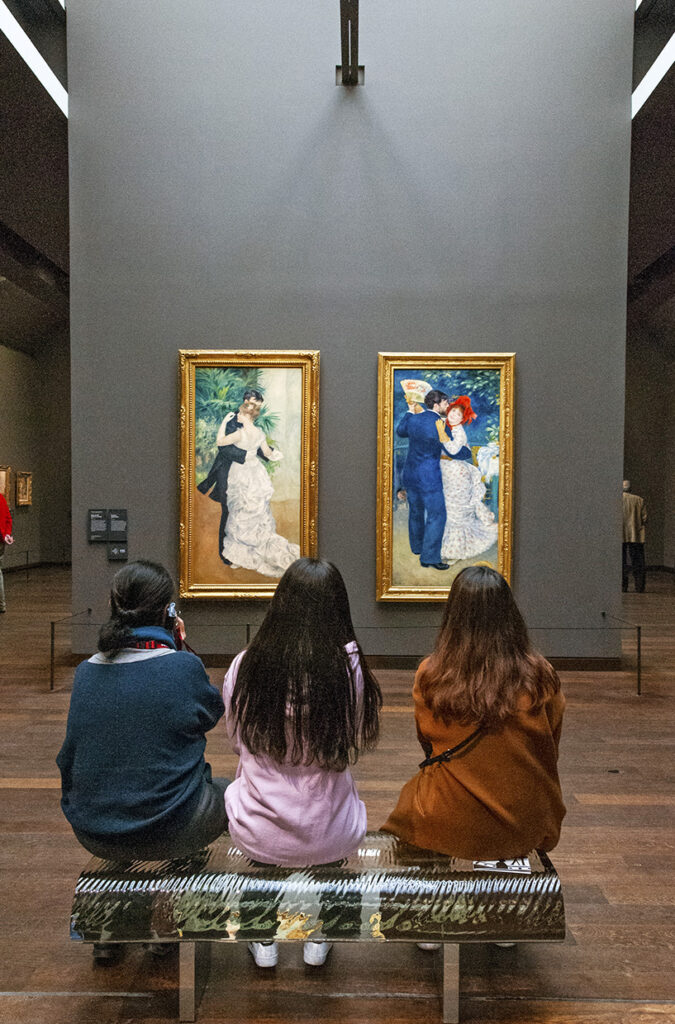
But I can say bonjour.
And I say it every time I walk into a shop in France.
A simple hello, please and thank you are a good place to start.
Practice them a wee bit before you go so you’ll feel more comfortable using them when you get there.
Check out the episode with Margherita Berti for more awesome language tips.
#9 Pack a snack and a water bottle
Many of us are already good about this.
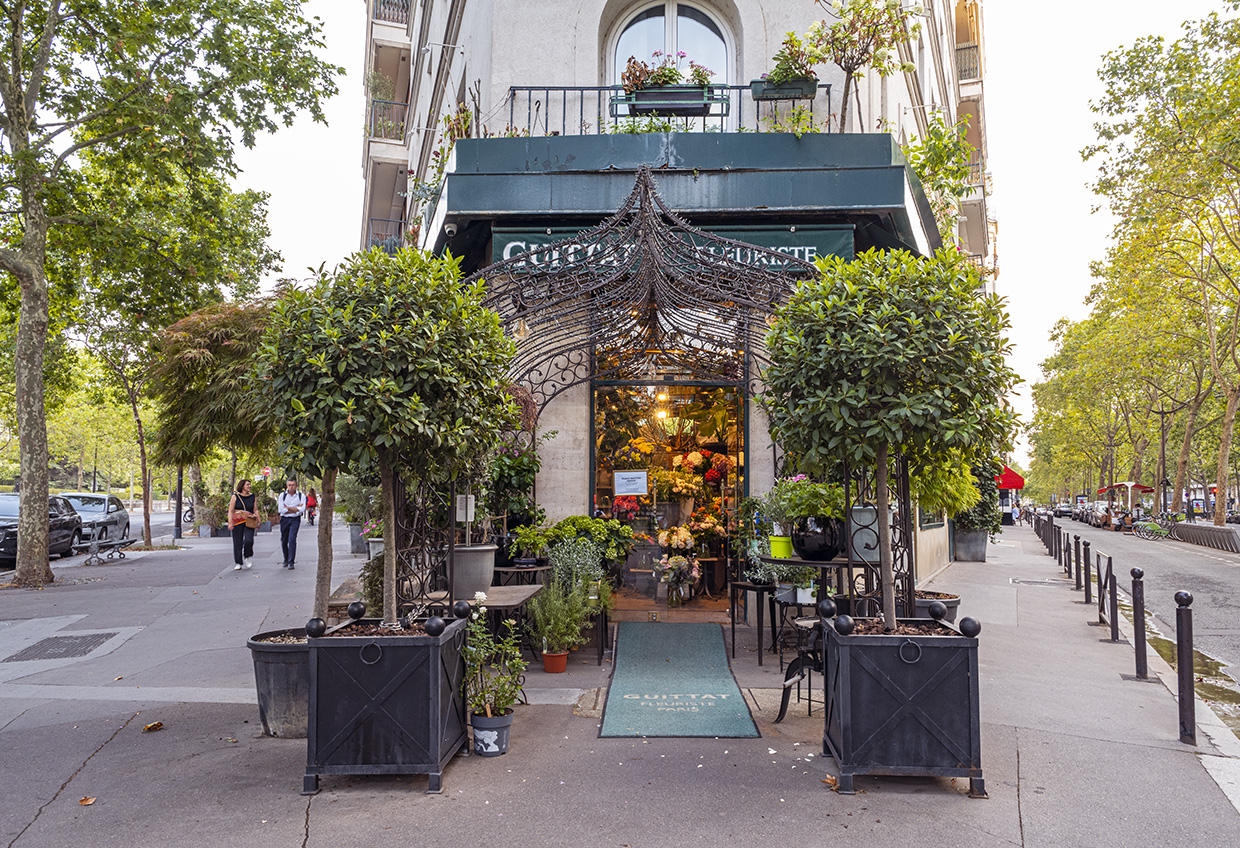
But it’s a good reminder — always have some water and bit of food with you.
Because it may happen that you lose track of time and suddenly it’s 3pm and the kitchens are closed.
I’m sensitive to gluten, so I try to carry something I know I can eat, especially when I’m out on the trail, a long train ride or a drive through the countryside.
A snack and a refillable water bottle take up very little room.
And being hangry is never a good thing!

#10 Read the accommodation details before you book
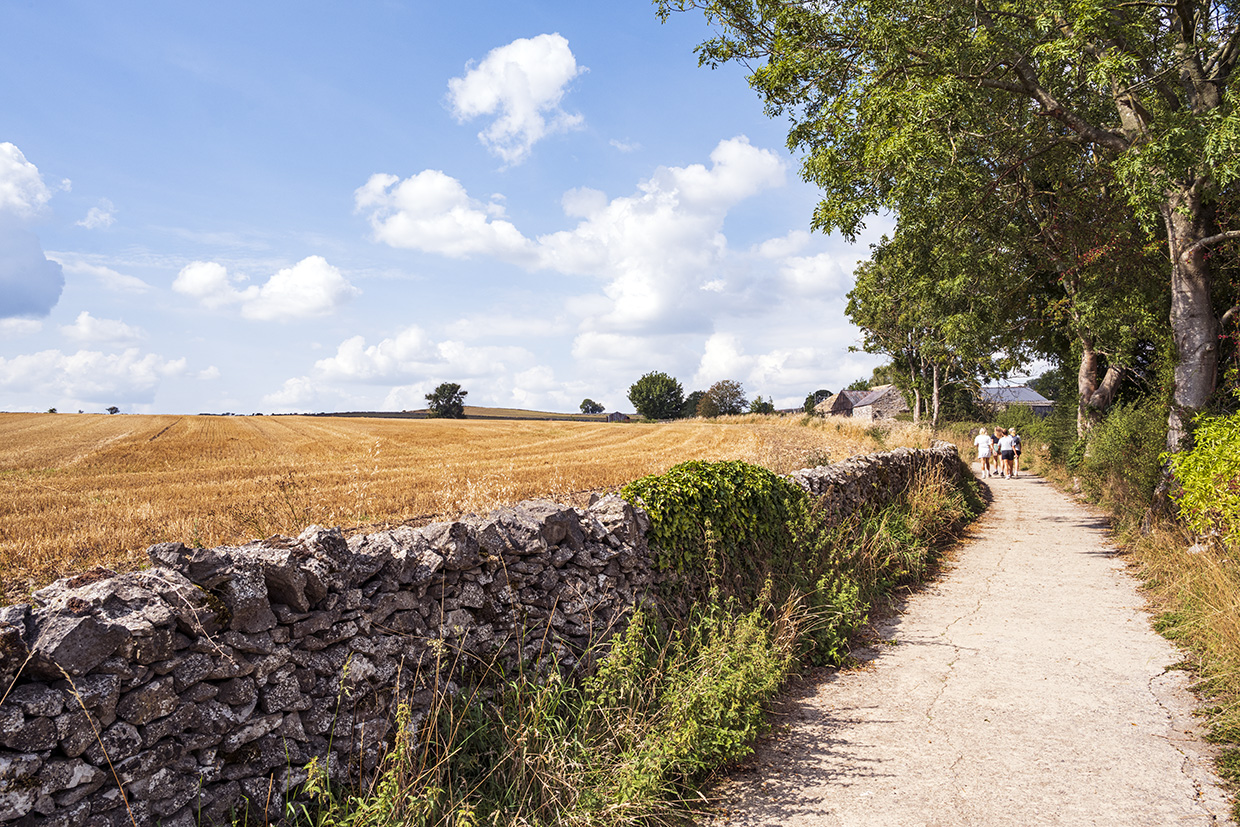
Accommodation in Europe can be different in many cases.
Personally, I quite like a quirky room in an old building.
But I still read the description of rooms very carefully.
If you need air conditioning, a lift (elevator) or enough room to turn around in the shower, check the website and the reviews before you book.
At one B&B in Scotland, I let myself in with a key left in an envelope with my name on it.
That worked perfectly for me.
But, if you prefer someone there to greet you, then this system may not work for you.
One of the things that make traveling in Europe easier is to know yourself.
And what is important and not-so-important to you when it comes to where you lay your head each night.
#11 A few more little things like adapters and notes
Here are a couple more things that make traveling in Europe easier.
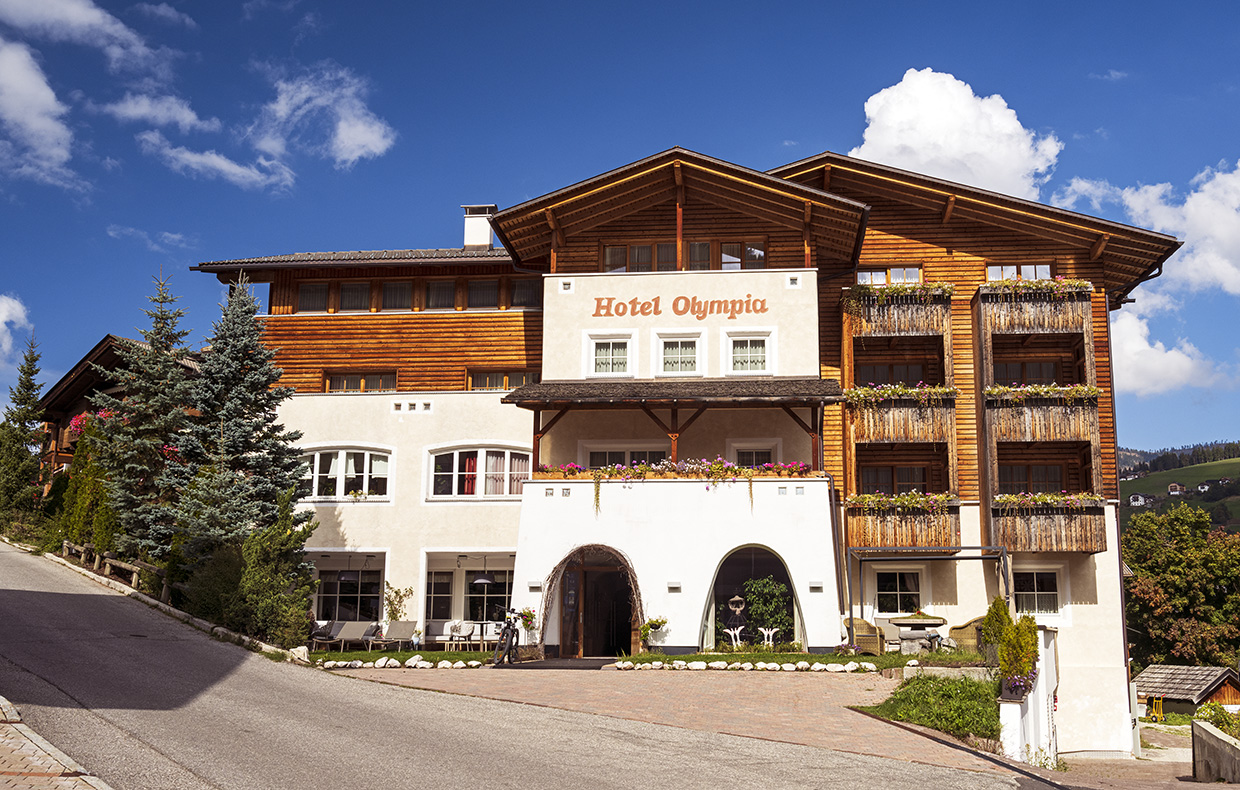
Check which plug adapter you’ll need for the countries you’re visiting.
Remember that voltage converters are not needed for most modern day electronics.
It’s a good idea to put vital information in a notes app where you can retrieve it without wifi.
For example, I put addresses, phone numbers and key codes in the Notes app on my phone.
When I’m standing outside a holiday cottage looking for the key safe, I’m glad I did as it’s all right there.
#12 Leave room for plans to change
My oldest niece is a planner, and I love her dearly.
I get it.
I like knowing what I’m doing tomorrow too.
But sometimes you’ve just got to go with the flow.
A rail strike might mean you miss a day trip you were looking forward to.
Heavy rain can wash out a trail, or a wildfire can close an area you’d planned to explore.
It’s okay to be disappointed, especially if that was the day you were most excited about.
I like to have a backup plan.
Maybe there’s an indoor experience I can have if the weather turns and I can’t get out on my walk.
Or perhaps there’s a nearby town I can explore if the trains aren’t running.
Sometimes the best plan is to find a café, have a cup of tea and see what I feel like doing next — or tuck in with a good book.
One thing to be sure you always pack?
Your sense of humor.
It will come in handy if things go awry.
And remember — it’s often these mishaps that make your travels the most memorable!
Final thoughts on the little things that make traveling in Europe easier
Part of what I love about traveling is finding out how people do everyday things.
I learned to shop for Sunday groceries on a Saturday in Geneva, let the vendor pick my tomatoes in Italy and say bonjour before I ask a question in a French shop.
I’ve certainly learned about transportation schedules and the importance of being flexible.
You’ll pick up your own little habits as you travel in Europe.
And, my guess is you’ll probably come home with a story or two about how you learned them.
Ah…travel memories!
Have a wee travel tip of your own?
I’d love to hear it.
Send me an email at Lynne@WanderYourWay.com.
Disclaimer: This post contains affiliate links. This means I will earn a commission – at no extra cost to you — if you click on the link and purchase anything from these trusted companies. It helps Wander Your Way, a small business, stay in business. Thanks for your support!
Like it? Pin it!