
Buried Italy: Ancient Stories and Remarkable Places with Joseph Walker

A Roman harbor beneath the sea.
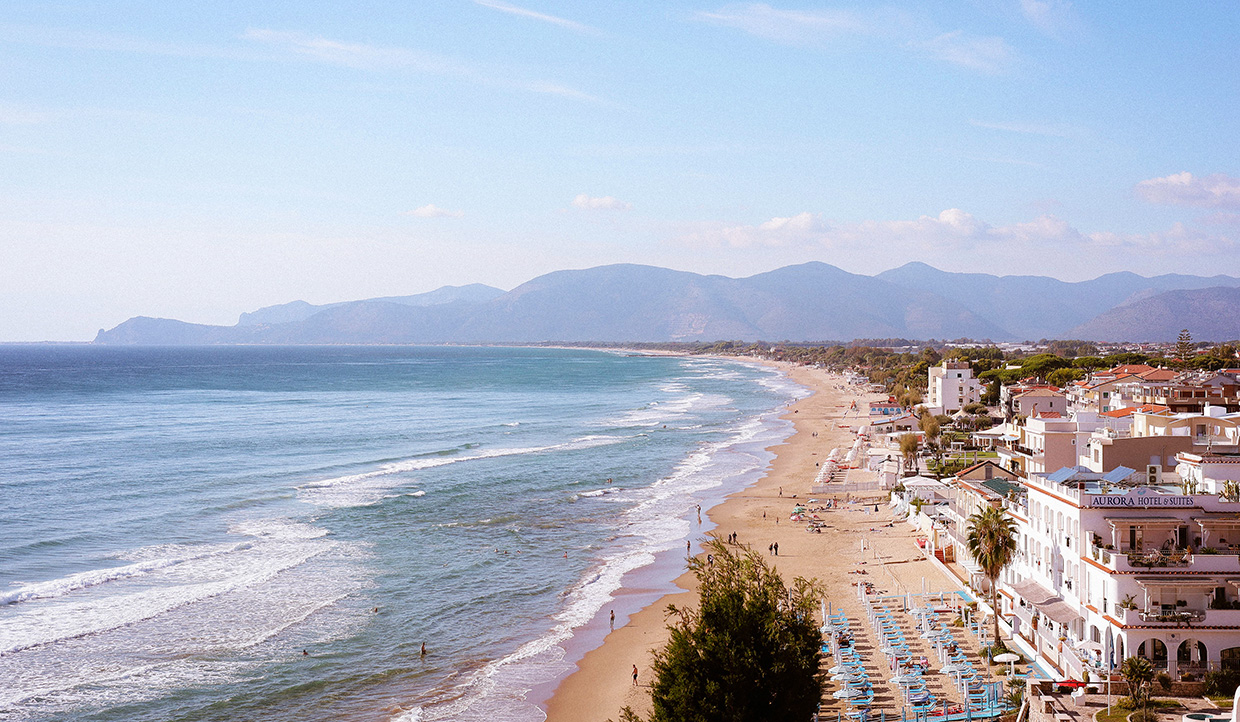
Seaside towns filled with ancient stories.
And an Italy that many travelers pass right by.
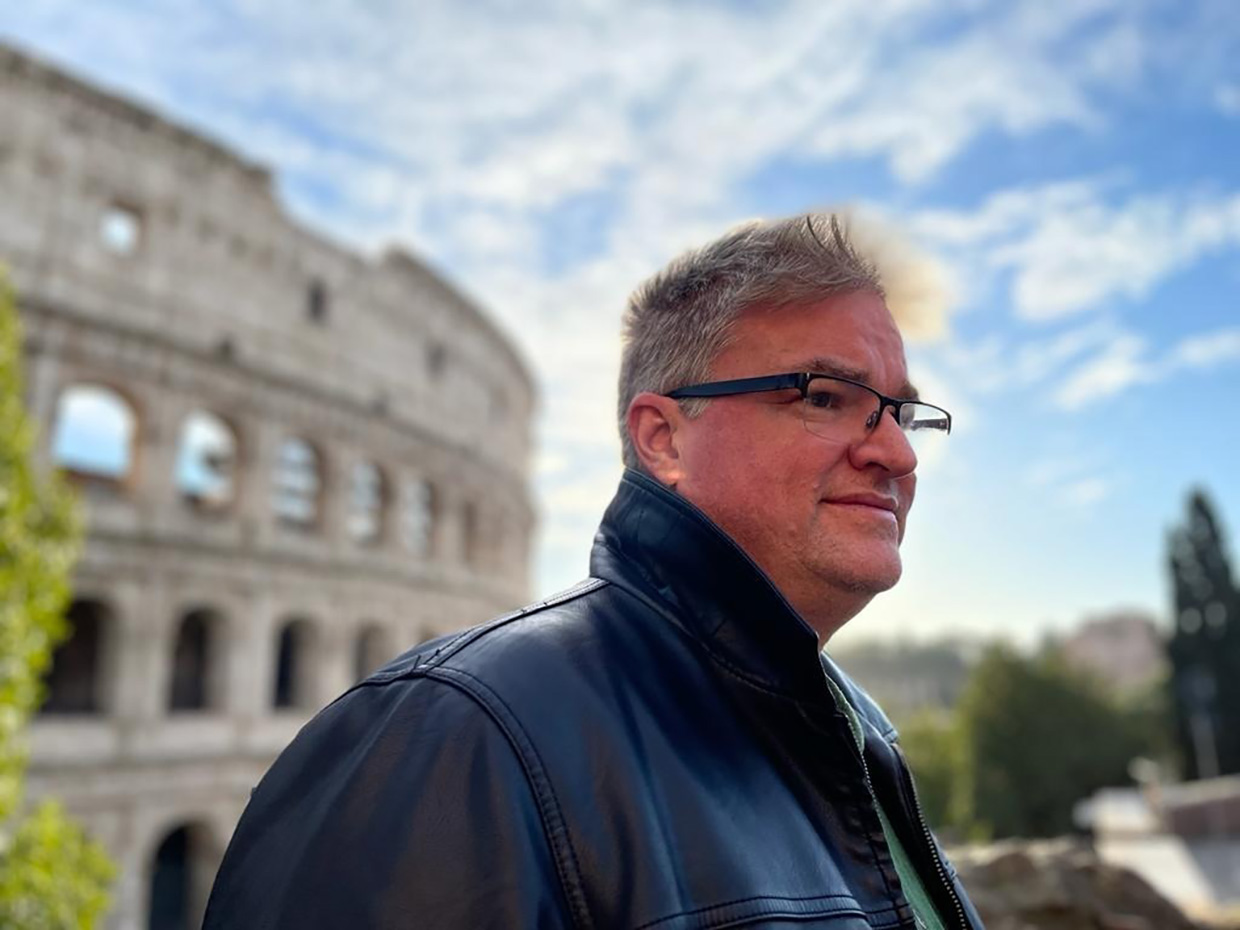
I’m joined by historian Joseph Walker of Italian History with Joseph to explore Italy beyond its most famous destinations.
From Gaeta and the coast between Rome and Naples to the towns of Umbria and northern Italy, Joseph shares some of his favorite places and brings their history to life.
We also chat about his book, Buried Italy, how a swim near Naples sparked his passion for sharing Italy’s past, and why connecting with local people can lead to some of your most memorable travel experiences.
If you’re curious about exploring Italy beyond the usual stops, this conversation will give you plenty of inspiration.
Want to chat more about Italy?
Send me an email at Lynne@WanderYourWay.com
In this episode:
1:10: Intro
1:53: Joseph’s bio
4:14: Joseph’s story
16:18: Buried Italy book and tours mention
17:44: Southern Italy favorites
31:04: Central Italy
39:32: Northern Italy
44:30: Meaningful relationships
51:33: Final thoughts
55:28: Lynne’s final thoughts
58:49: Wrapping it up

Buried Italy: Ancient Stories and Remarkable Places with Joseph Walker
(For those who prefer to read)
Italy has a way of making you want to return before you’ve even left.
There’s always another town to explore, another church to step inside, another plate of pasta to try.
And another story to discover.
While Rome, Florence and Venice definitely have their place on your Italian itinerary, there is so much more to this fascinating country.
Sometimes you only need to travel a short distance from those famous destinations to find places you know very little about.
Places that might end up being your favorite part of the trip.
Historian Joseph Walker of Italian History with Joseph shares this enthusiasm for looking beyond the usual stops.
And after talking with him, I’ve added a few more places to my Italy list!
Through his work — including his book Buried Italy — Joseph explores the stories behind Italy’s ancient ruins, medieval towns and remarkable historical sites.
But he also reminds us that understanding Italy means getting to know its people.
And his own connection to the country began with a rather unexpected adventure…
How a swim near Naples led to a life exploring Italian history
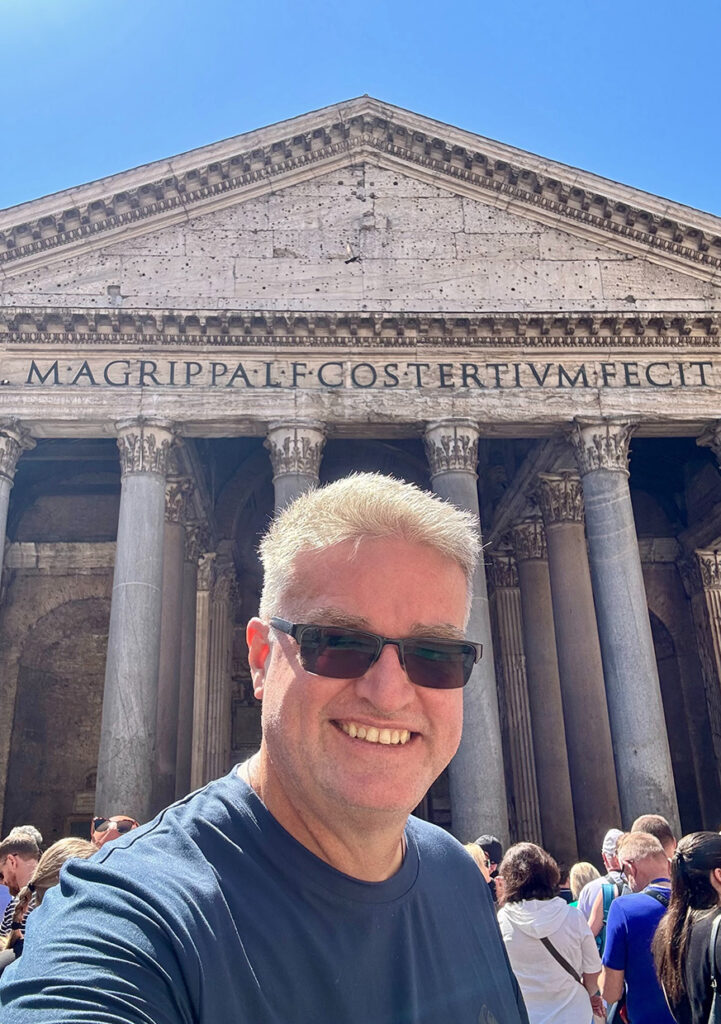
Joseph didn’t grow up planning to become an Italian historian.
Raised near Atlanta, he joined the US Navy as a teenager and was sent to Italy in the 1980s.
He arrived in Naples, then traveled north to Gaeta to meet his ship.
Except the ship was in Spain.
With a few days to fill, Joseph began exploring, eating local food and talking with people.
It didn’t take him long to fall in love with Italy.
But it was a later experience near Naples that helped shape the direction of his life.
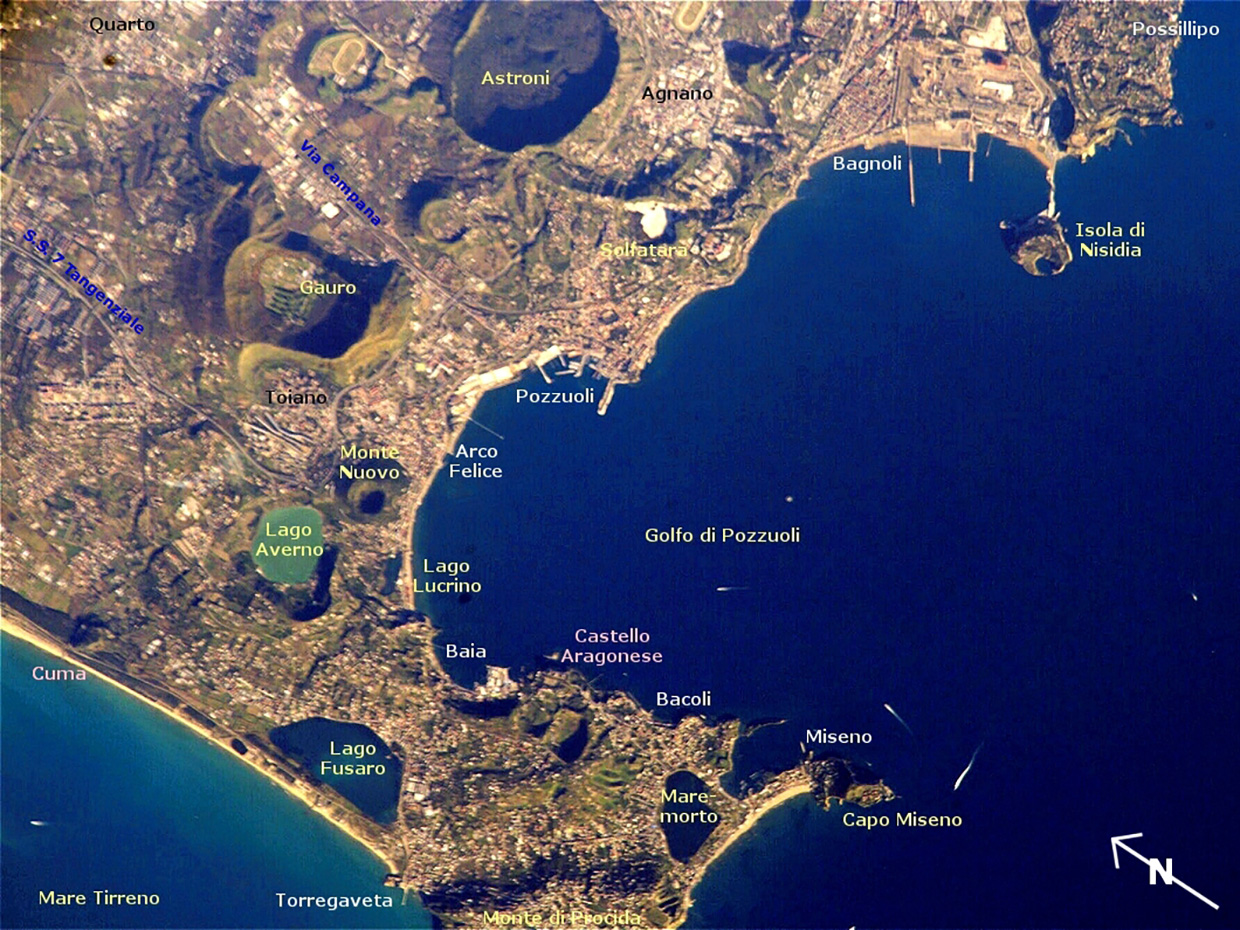
Joseph had heard about ancient ruins beneath the water in the Campi Flegrei area, northwest of the city.
Curious, he persuaded a fisherman to take him out in a boat.
When sunlight broke through the clouds, he could make out shapes below the surface.
He went into the water to investigate.
As Joseph tells it, he found Roman walls and uncovered part of a mosaic beneath the silt.
He later learned more about the ancient harbor of Portus Julius — a sort of Atlantis.
Imagine going for a swim and finding yourself looking at the remains of the Roman world!
That experience sparked a desire to understand what he had seen and share those stories with others.
Joseph went on to pursue formal studies in Italian history.
Today, that combination of curiosity, knowledge and enthusiasm is at the heart of how he introduces travelers to Italy.
History is about people
One of the things I most enjoyed about my conversation with Joseph was his approach to history.
He wants to know who built a place.
What were they trying to create?
What mattered to them?
What did their lives look like?
This is something I think about when I visit historical sites too.
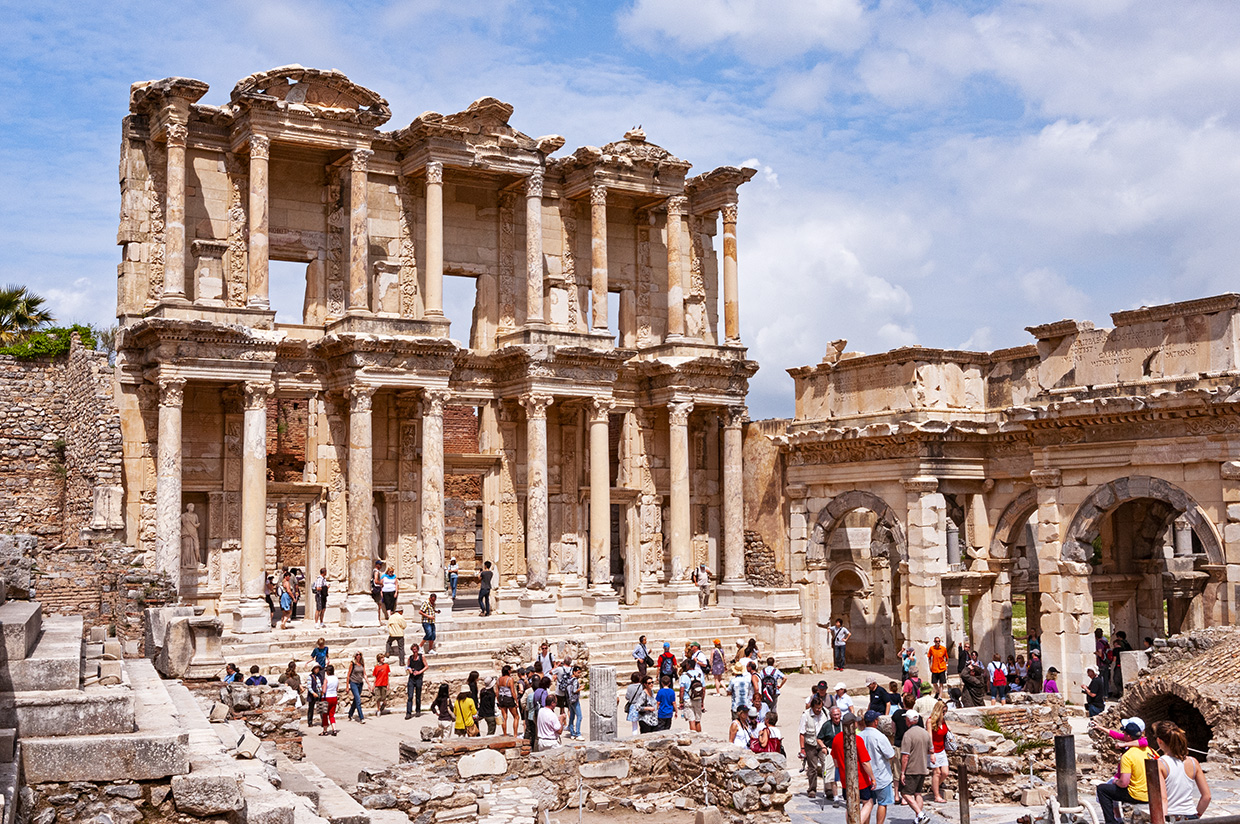
I remember walking through Ephesus in Turkey and imagining the streets filled with people.
Sellers offering food and goods.
Children running around.
People going about an ordinary day.
A good guide can help you picture all of that.
And suddenly, those ruins mean so much more.
You begin to see a place where people lived, worked, worried, celebrated and connected with one another.
Italy offers so many opportunities to make that connection with the past.
And you’ll find them well beyond its most famous monuments.
Between Rome and Naples: a region worth exploring
One part of our conversation that particularly caught my attention was the area between Rome and Naples.
Travelers often move through this part of Italy on their way to somewhere else.
Rome to Naples.
Rome to the Amalfi Coast.
But what are we passing along the way?
Quite a lot, as it turns out.
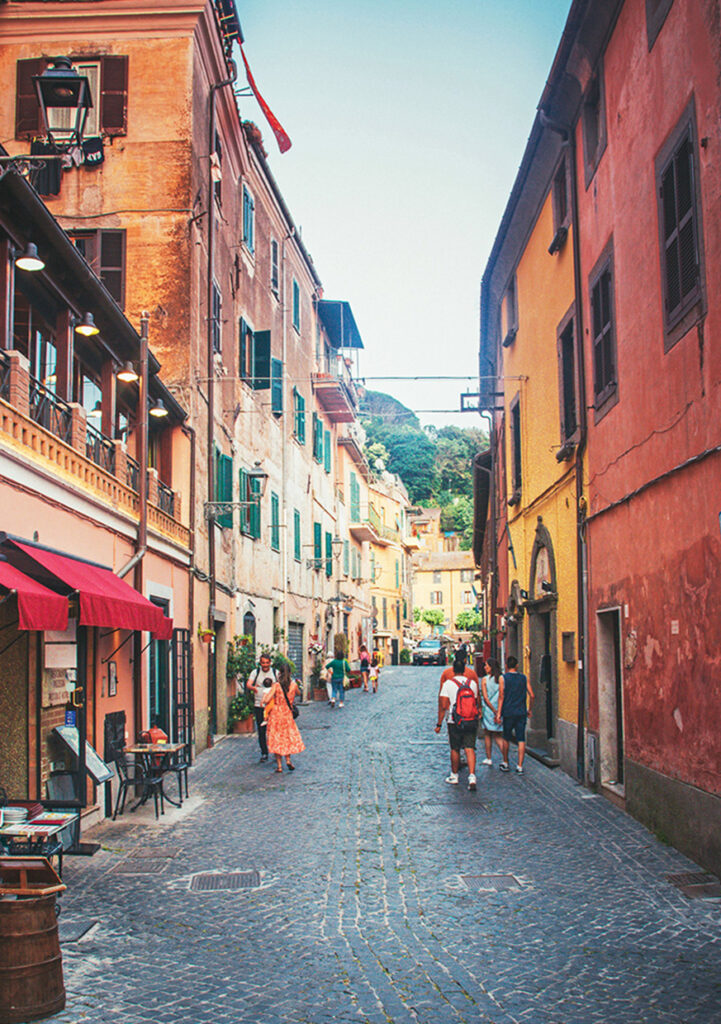
Joseph began with the Castelli Romani, the hill towns and wine country southeast of Rome.
Here places such as Nemi offer a different experience from the capital, with lake views and stories reaching back to ancient Rome.
Farther south, we talked about the coast associated with Ulysses, the Roman name for Odysseus.
It’s a place where classical myths, Roman remains and seaside towns come together.
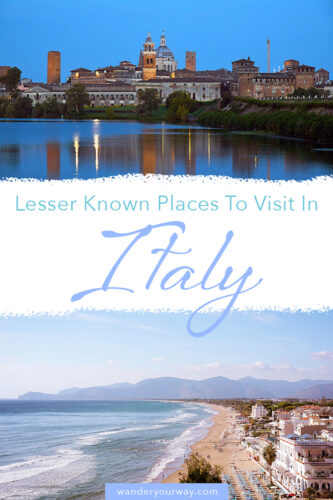
Sperlonga is one of Joseph’s recommendations, with its historic center and the archaeological site associated with the Emperor Tiberius’s villa.
The sculptures connected to the site add another dimension to a visit, bringing scenes from the world of Odysseus into the experience.
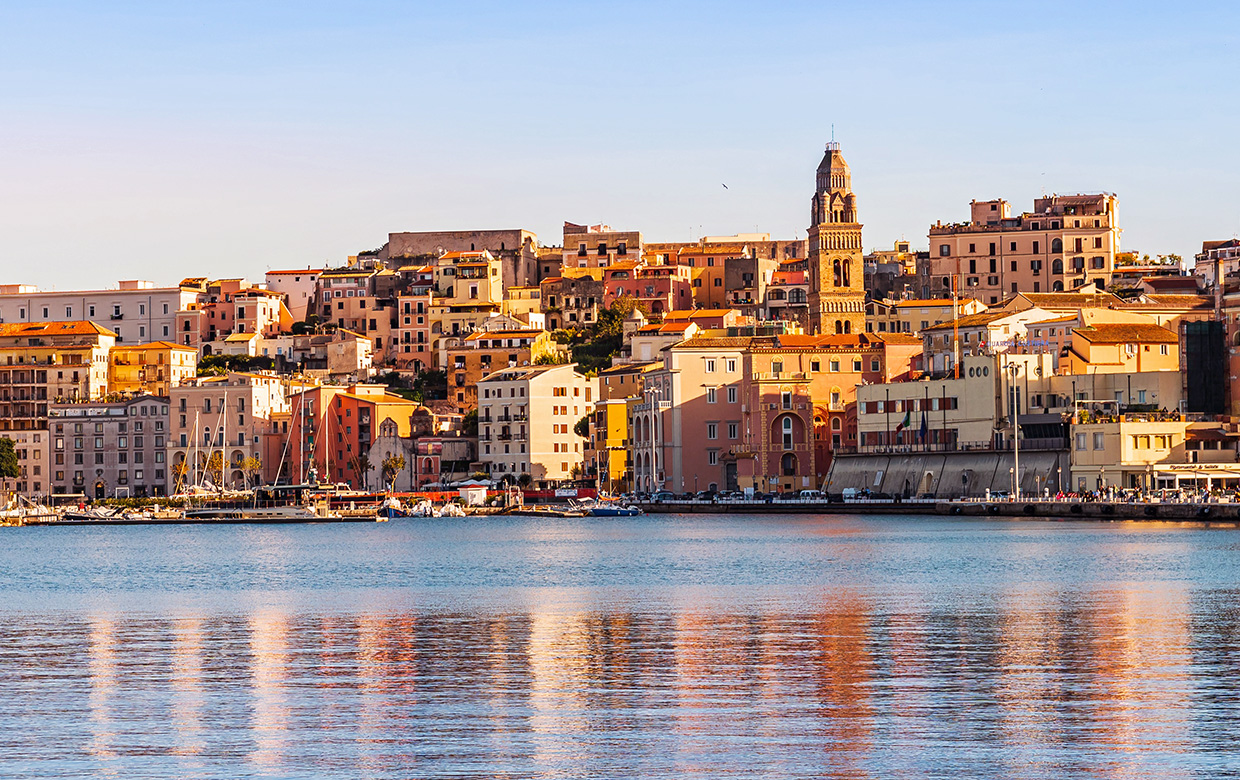
Then there’s Gaeta.
This is where Joseph first spent time in Italy — and it remains one of his favorite places.
As he described the town, I found myself looking it up on the map.
Sea, history and a town to wander through?
Yes, please. 🙋🏻♀️
This whole stretch of coast made me think about how easily we can overlook the places between our planned destinations.
Perhaps some of those places deserve a few nights of their own.
Campi Flegrei: looking beyond Pompeii
Pompeii is, obviously, a place many travelers want to see.
But Joseph’s enthusiasm for Campi Flegrei is a reminder that the ancient world around Naples extends much farther.
This is the area where his underwater experience took place, and it’s filled with stories connected to Roman life, power and the sea.
During our conversation, he described imperial villas, archaeological remains and the Aragonese Castle at Baia.
What interests me is the opportunity to understand how these places connect.
A villa becomes more meaningful when you learn about the person who lived there.
An ancient harbor helps you imagine the ships, trade and daily activity that once filled the coast.
This is the sort of area where I would want a knowledgeable local guide.
There are so many layers to understand, and someone who knows the region can help bring them together.
Joseph certainly made me want to spend more time exploring this part of Italy.

Southern Italy: castles, cave dwellings and an extraordinary mosaic
Our conversation also took us across southern Italy to the regions of Puglia and Basilicata.
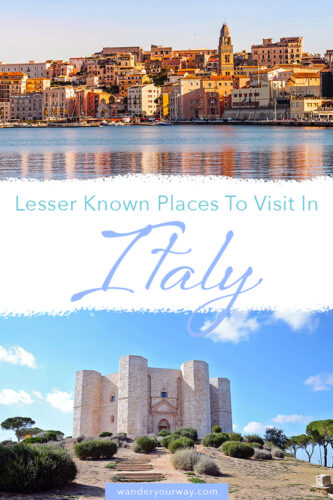
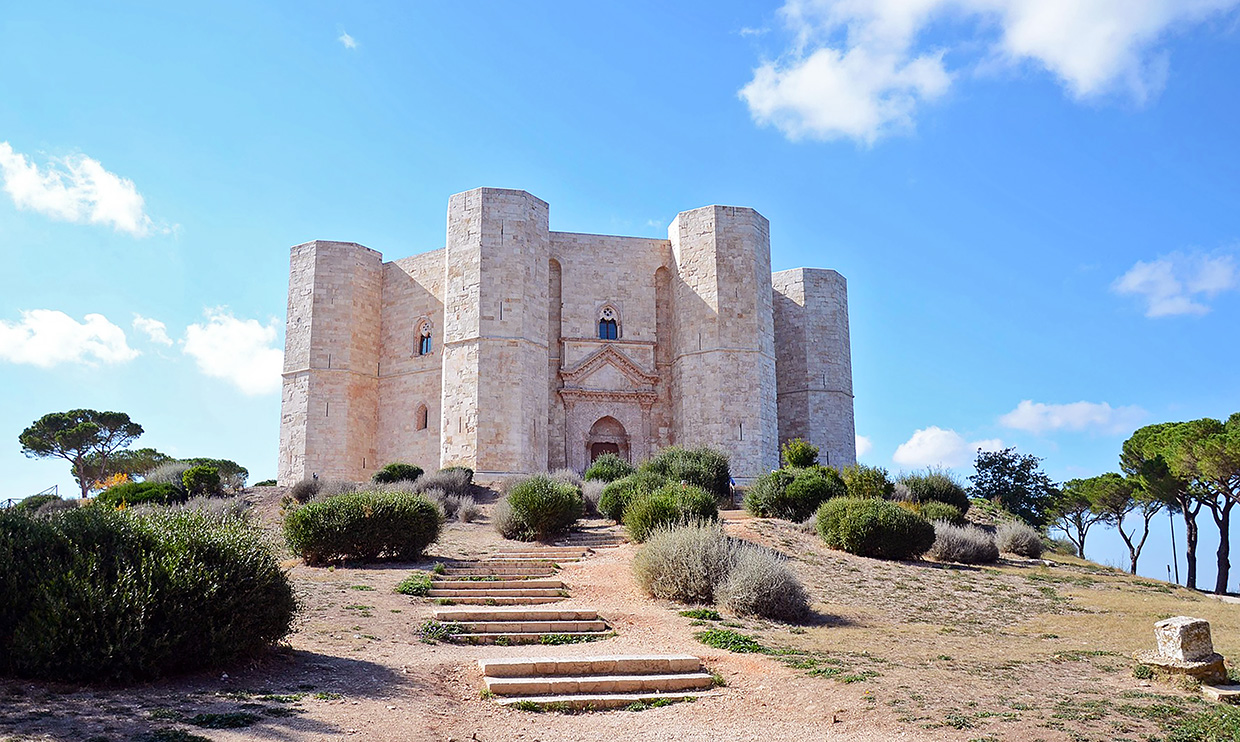
One of Joseph’s favorite sites is Castel del Monte in Puglia, associated with the medieval ruler Frederick II.
Its distinctive octagonal design is intriguing on its own.
But hearing Joseph discuss Frederick’s interests, languages and intellectual world makes you want to look more closely at the building and the ideas behind it.
That’s one of the pleasures of traveling with someone who knows the history.
You might arrive thinking you’re visiting another castle.
You leave with questions about the person who commissioned it and the world he inhabited.
We also talked about Matera in Basilicata, known for its historic cave dwellings.
It’s a place that invites you to think about how people have adapted to their surroundings over time.
And how a town’s relationship with its past continues to change.
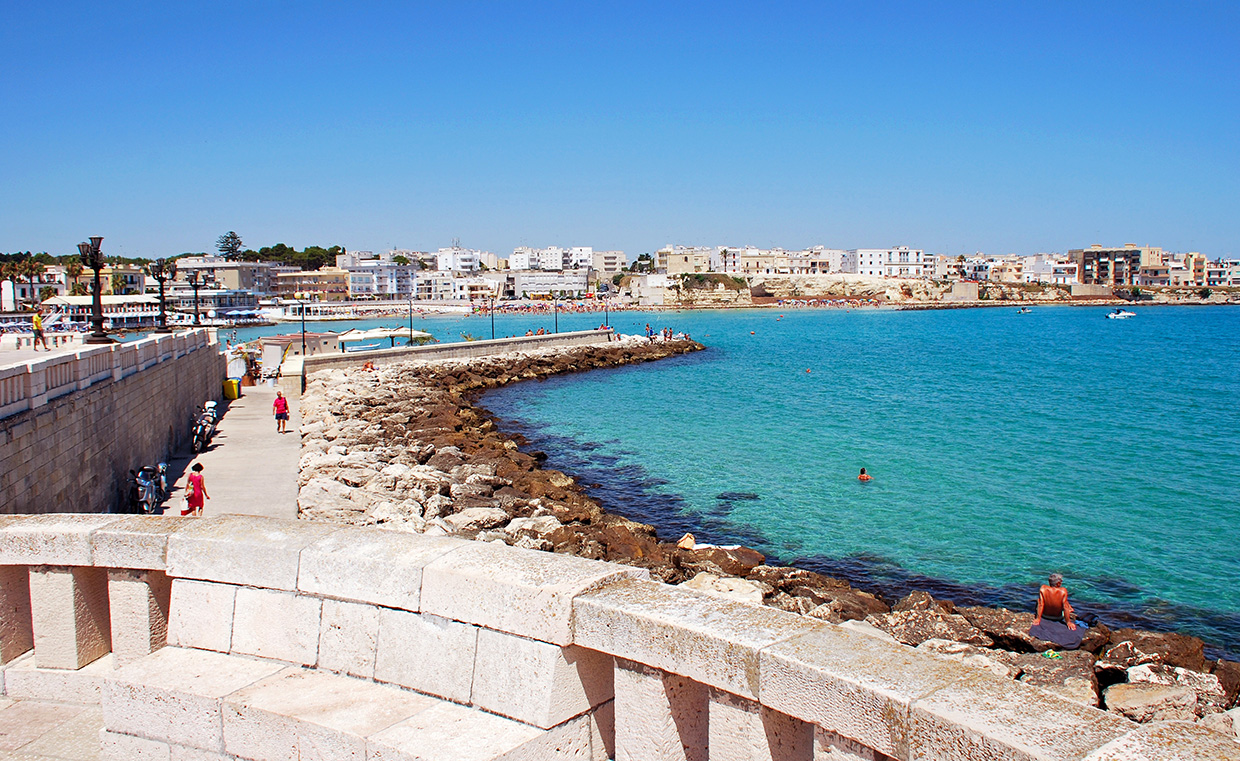
Then Joseph brought up Otranto, a seaside town in southern Puglia.
Inside its cathedral is an extraordinary floor mosaic.
What caught my attention was his description of the range of figures and stories represented there, including King Arthur alongside biblical imagery and other subjects.
King Arthur in a cathedral mosaic in southern Italy?
That will certainly make you stop and look.
Joseph described the mosaic as a way of communicating stories and knowledge through images.
And I love this!
It’s a reminder to look carefully when we enter a church or historical building.
There may be much more going on than we initially realize.
Between Rome and Florence: Etruscan history and towns to linger in
The area between Rome and Florence offers another opportunity to slow down and explore.
Joseph spoke about Tuscia, a historical region associated with the Etruscans, particularly around northern Lazio.
The Etruscans are an important part of understanding the world that preceded and helped shape ancient Rome and the regions of Tuscany and Umbria.
Yet it’s easy to focus so much on the Romans that we give little attention to what came before.
Joseph suggested looking around Lake Bolsena and spending time in the surrounding towns.
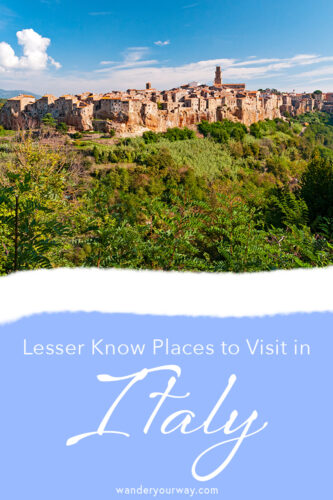
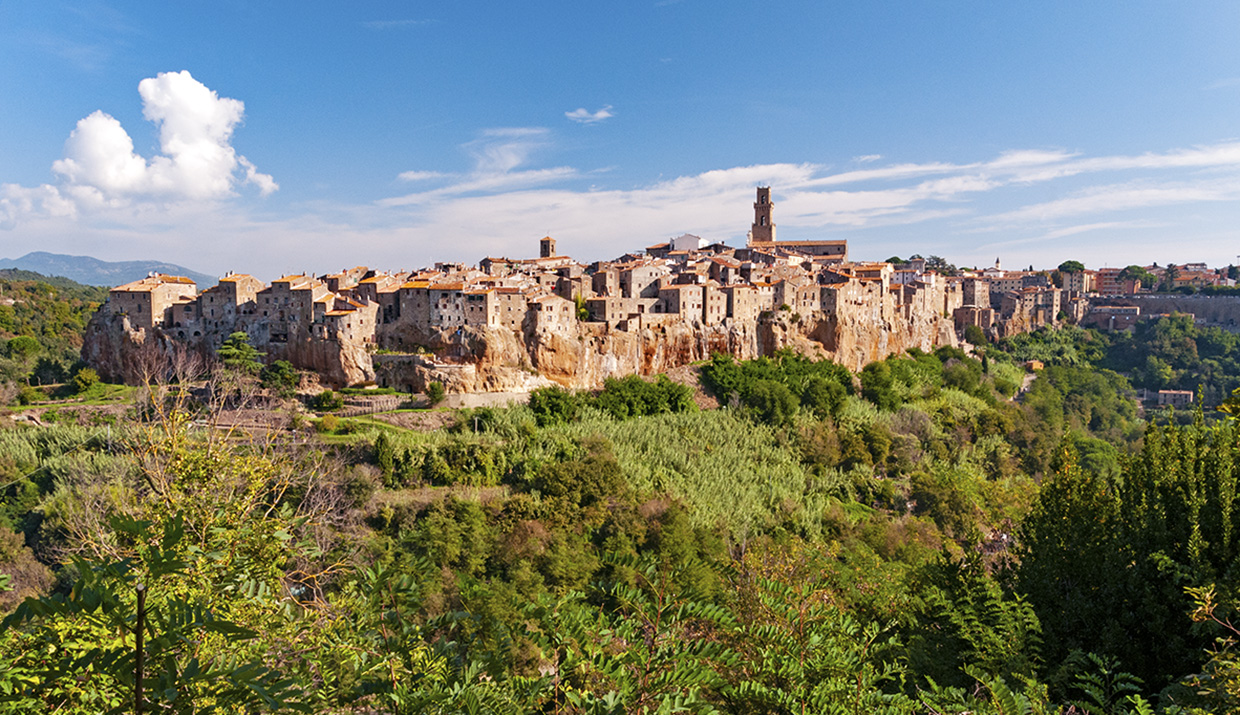
Our conversation also took us to Pitigliano and Sorano in southern Tuscany, then into Umbria.
I’ve been to Pitigliano, and it’s a fascinating place I highly recommend.
These are the kinds of destinations where I want time to walk, look, photograph and see what catches my attention.
And, naturally, stop for something good to eat.
Umbria: a region I’m always happy to talk about
When Joseph began talking about Umbria, we found plenty of common ground.
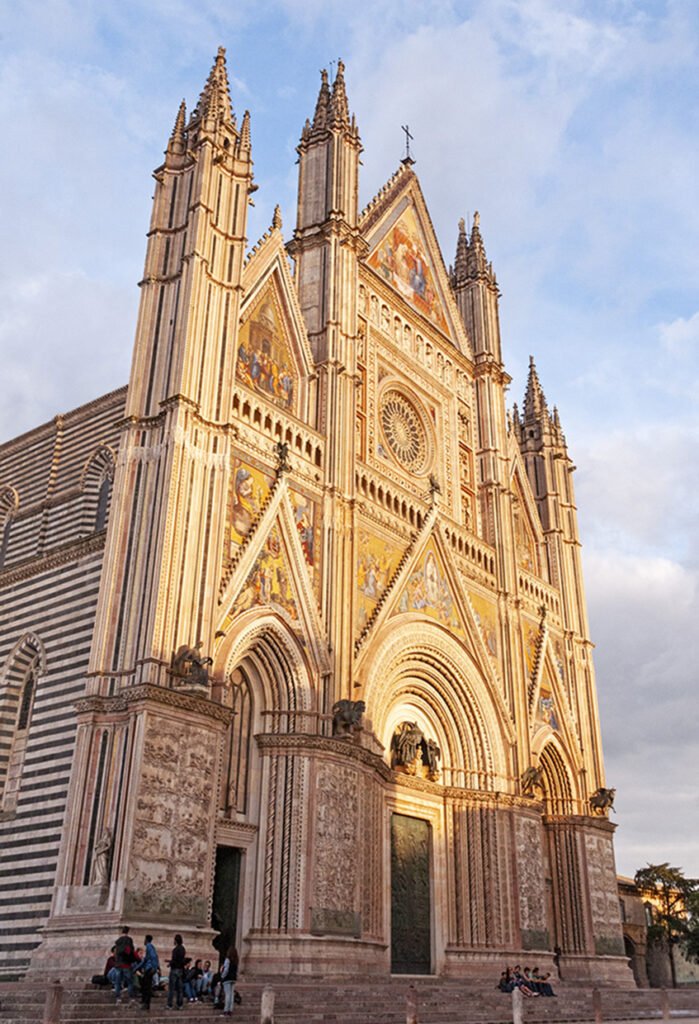
Orvieto, with its beautiful cathedral, is one of his favorites.
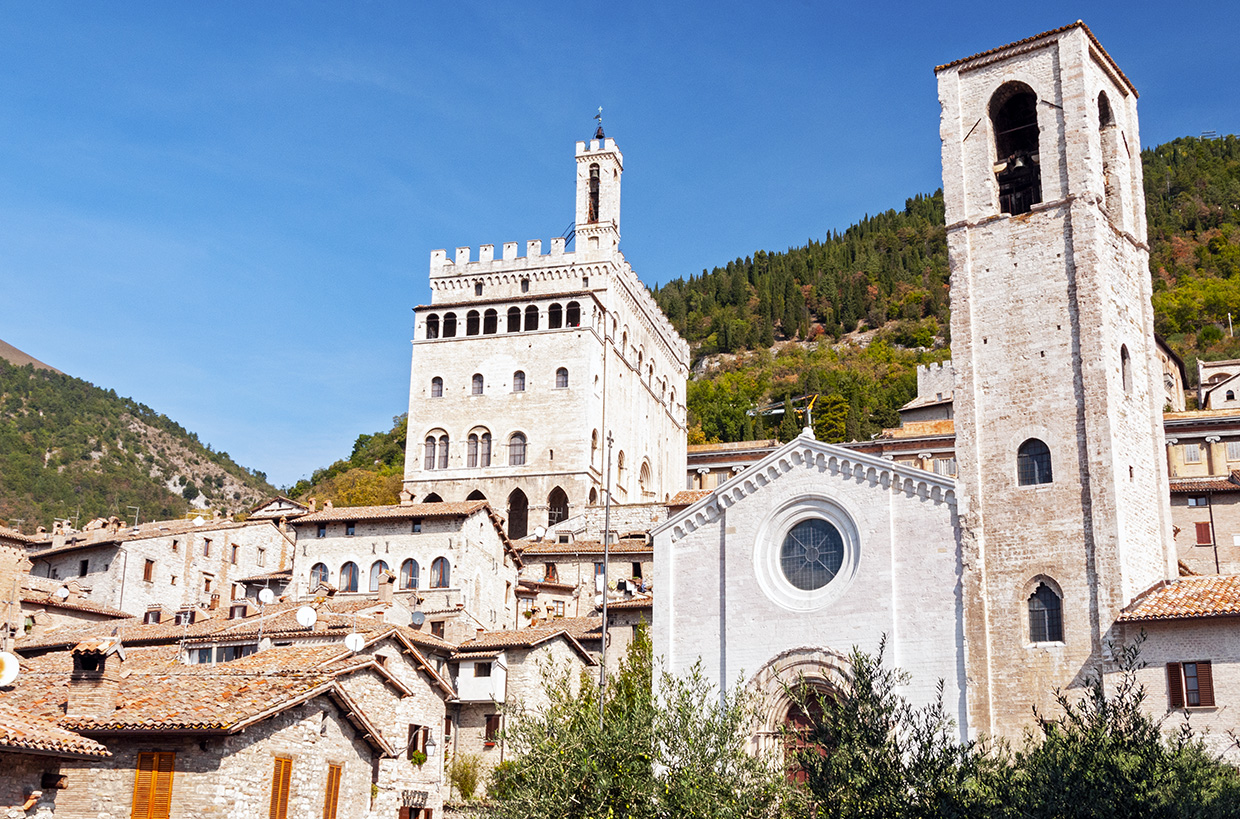
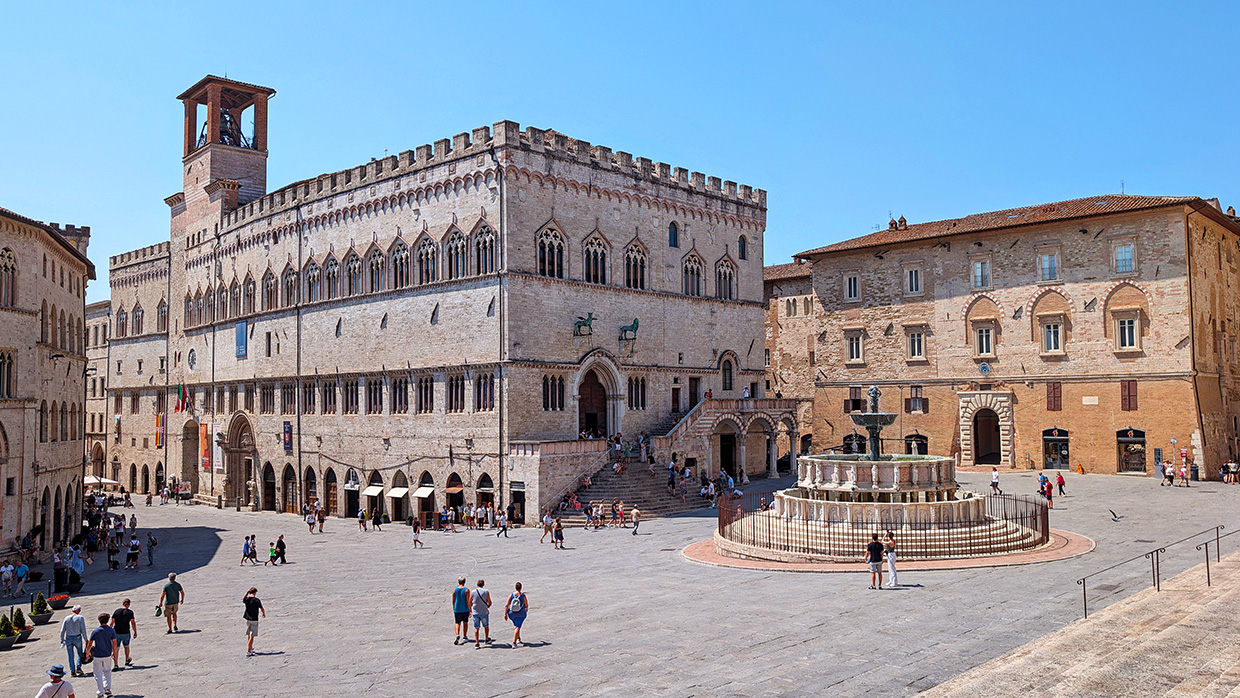
We also talked about Perugia, Assisi, Spello and Gubbio.
Each offers its own reasons to visit, from art and architecture to food and the simple pleasure of wandering through town.
I’ve spent time in Umbria, including a day in Gubbio, and it’s a region I highly recommend exploring.
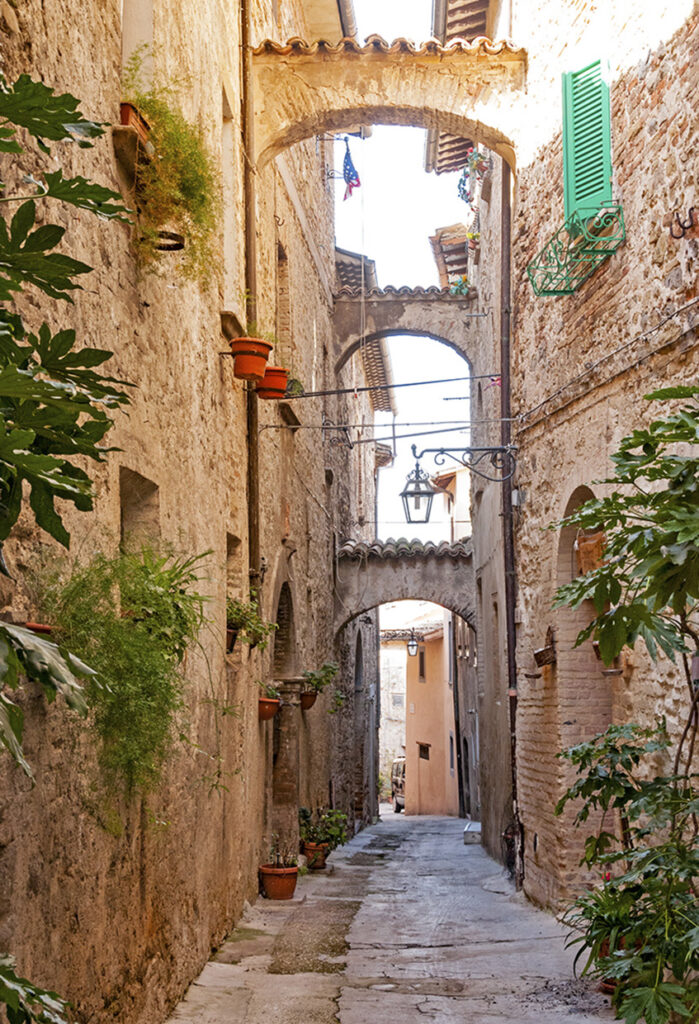
I also mentioned Montefalco and Bevagna.
Bevagna is a particular favorite of mine.
It has that lived-in feeling I enjoy so much, where part of the pleasure is simply being there.
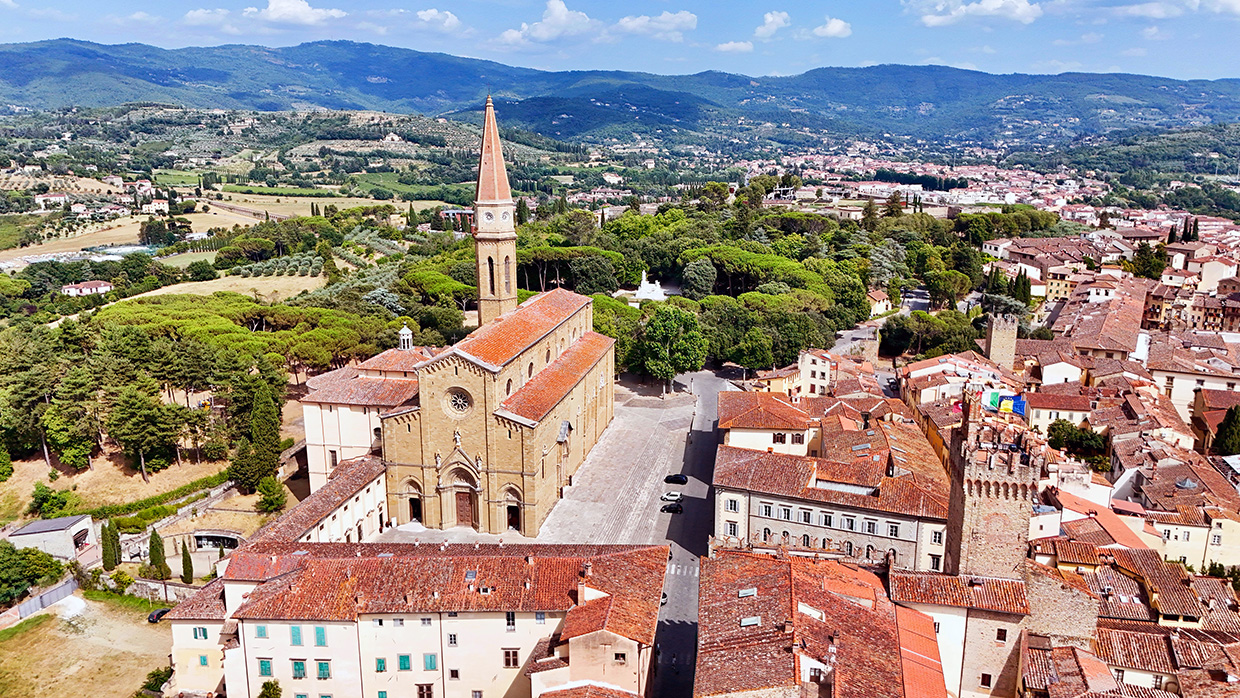
Joseph also recommended Arezzo in neighboring Tuscany.
It’s another reminder that you can build a wonderful Italy trip around places beyond the popular names that appear on everyone’s itinerary.
Give yourself time to get to know a few of them.
You don’t need to fit them all into one trip.
Patagonia


Northern Italy: beyond Venice and Verona
Our conversation didn’t stop in central Italy.
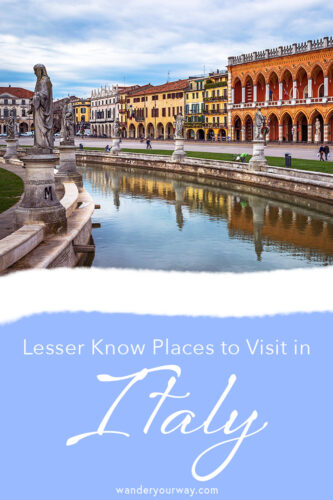
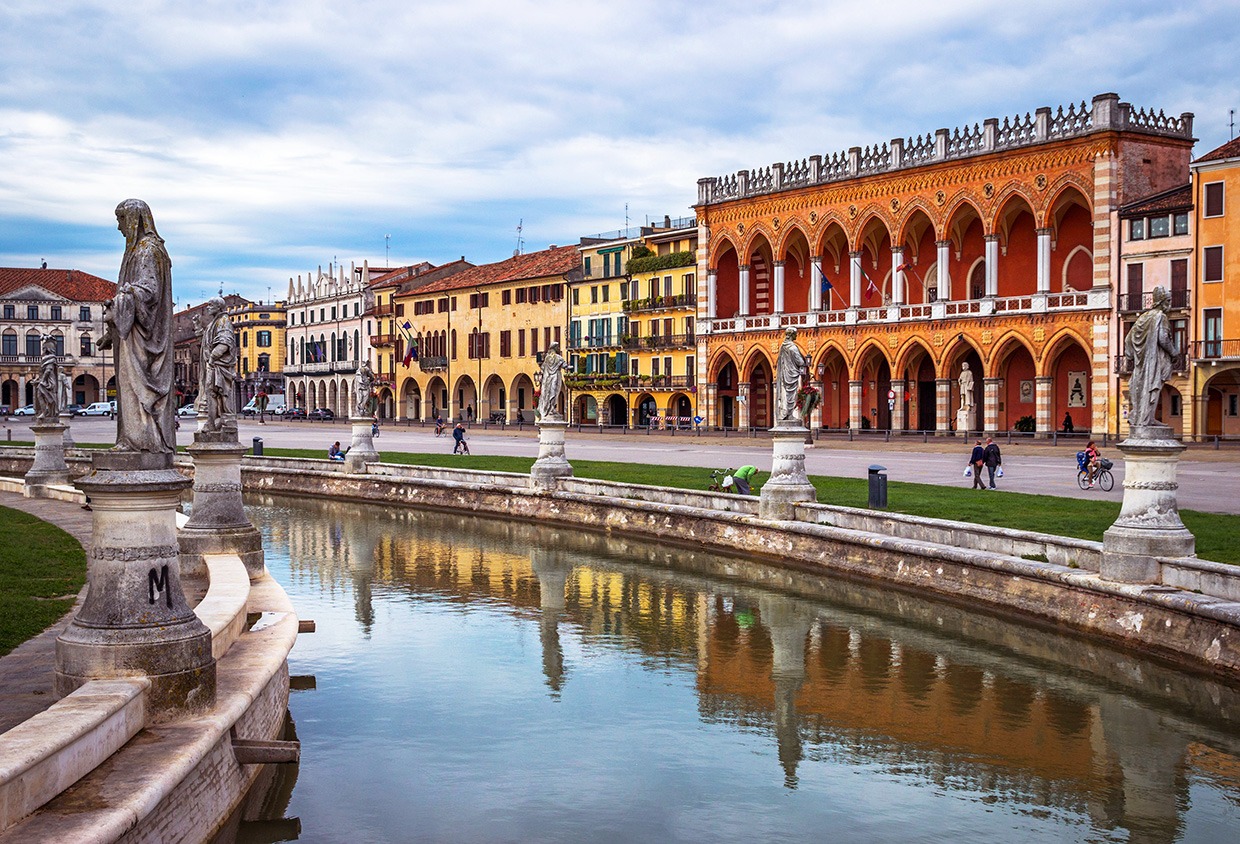
In the north, Joseph suggested Padua as a place to consider spending time, particularly for travelers visiting Venice.
He also recommended Treviso, with its canals and inviting atmosphere.
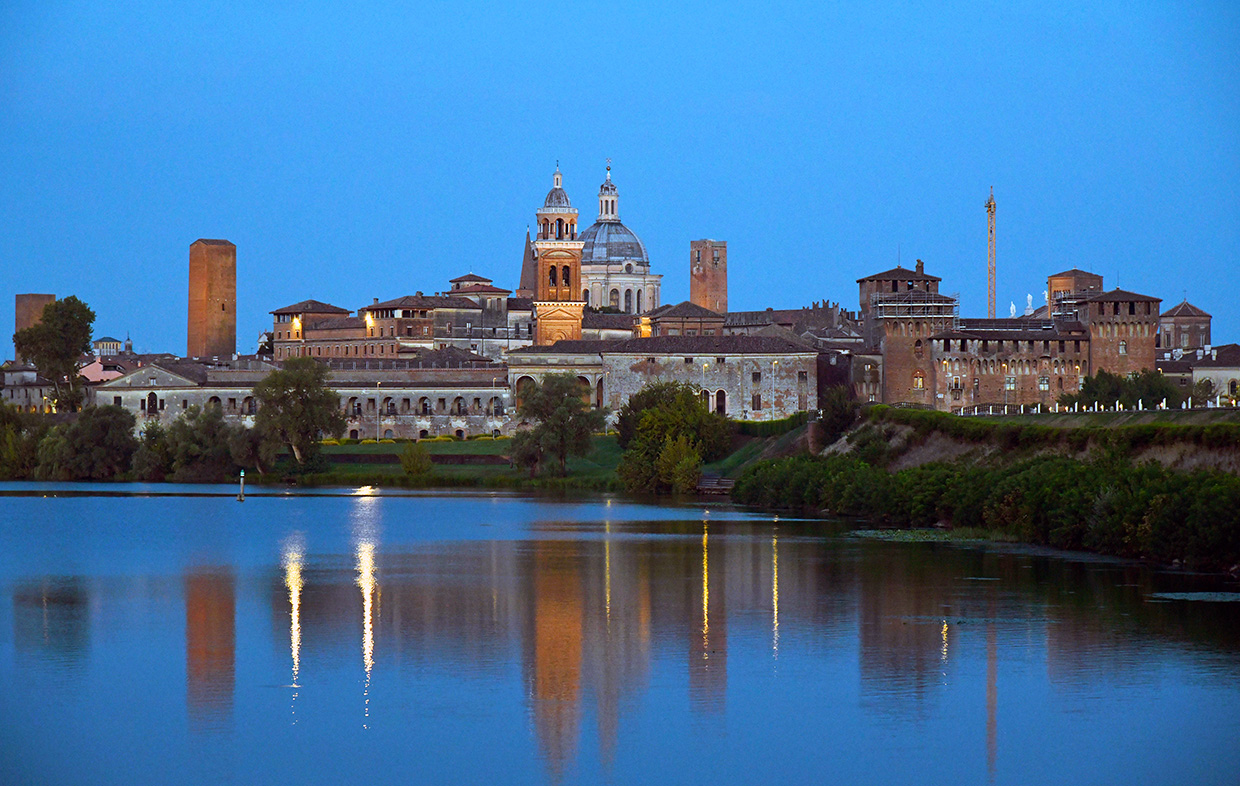
Then there’s Mantua, or Mantova in Italian, which he highlighted for its Renaissance heritage.
I love Verona, so hearing about another fascinating destination nearby certainly caught my attention.
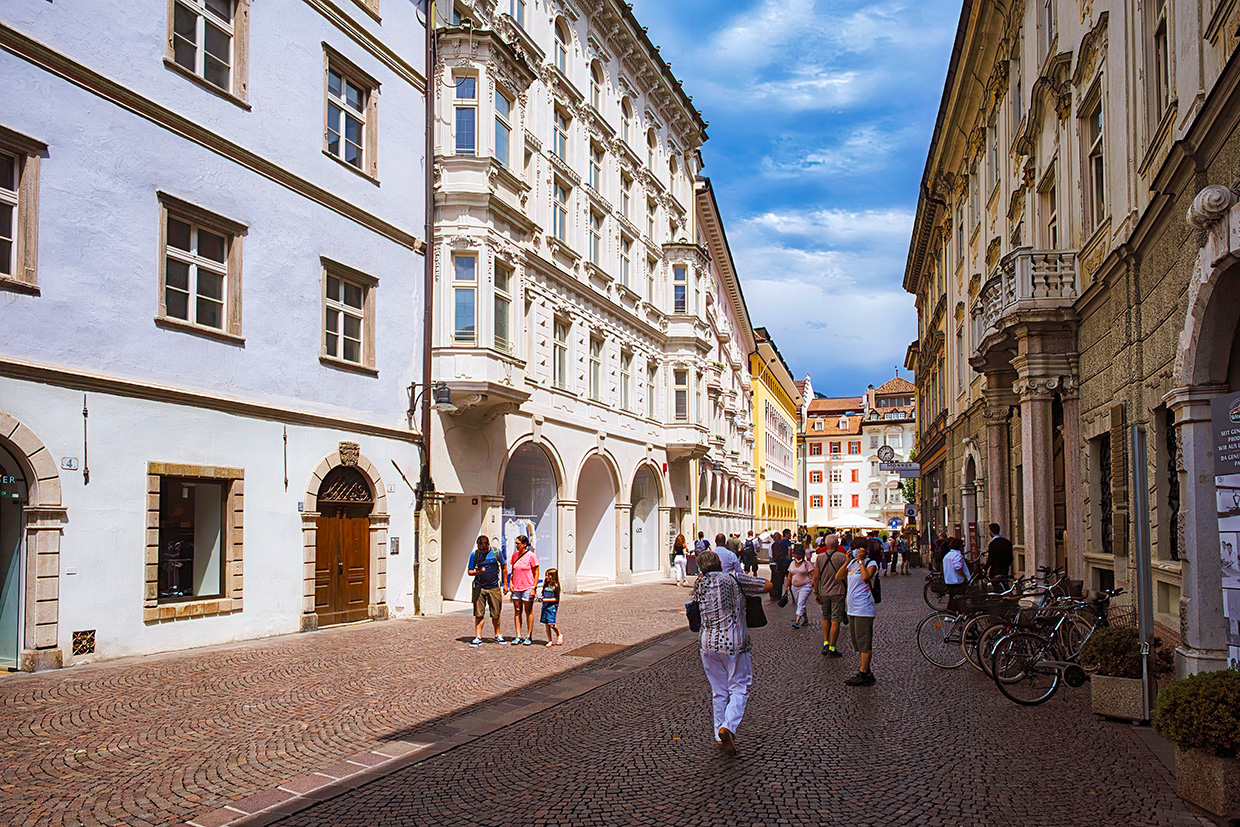
But when Joseph mentioned Bolzano, we were getting close to a part of Italy that is very dear to me.
The Dolomites.
I’ve driven through Bolzano several times on my way to smaller towns in the mountains, but I haven’t given the city the time it deserves.
Joseph reminded me of a very good reason to change that: Ötzi, the ancient ice mummy whose remains are housed in the South Tyrol Museum of Archaeology.
His story opens a window onto a much earlier time.
And Bolzano itself offers that mix of Italian and Austrian influences that makes this part of Italy so interesting.
History, mountain surroundings and apple strudel?
I think I can make time for that.
Understanding Italy through its people
For all the remarkable places we discussed, one of Joseph’s strongest messages was about relationships.
He shared a story about getting to know a family who grew produce within the remains of an ancient amphitheater near Cuma.
Over time those conversations became a friendship.
Eventually he was invited to help with the harvest and share meals.
That’s the kind of experience that stays with you.
And while a short visit won’t give you the same relationships as years of returning, you can still make room for connection.
Ask a question.
Show an interest.
Learn a few Italian words and use them — even if your pronunciation needs some work.
We talked about how intimidating that can feel when you don’t speak the language.
But you don’t have to wait until you can have a perfect conversation.
A greeting, a thank you and a willingness to try can be a wonderful beginning.
Making room for an Italy you haven’t met yet
There’s nothing wrong with wanting to see Rome, Florence or Venice.
They’re amazing places.
But Joseph’s stories are a good reminder to leave room for somewhere you know less about.
A seaside town between Rome and Naples.
An Etruscan town near Lake Bolsena.
A cathedral mosaic in Puglia.
A northern city you’ve driven through but never stopped to explore.
Those places can become the experiences you’re still talking about long after you return home.
I certainly finished this conversation with more curiosity about Italy.
And a longer list.
Which, let’s be honest, was probably inevitable.
Discover more with Joseph Walker of Buried Italy and Italian History with Joseph Walker
Joseph shares Italian history and culture through Italian History with Joseph, his book Buried Italy and his small group journeys.
He has also put together a special page for Wander Your Way readers and listeners, where you can learn more about his work and access the resources he mentioned during our conversation.
If ancient stories, remarkable places and a deeper understanding of Italy appeal to you, he’ll give you plenty to explore.
Disclaimer: This post contains affiliate links. This means I will earn a commission – at no extra cost to you — if you click on the link and purchase anything from these trusted companies. It helps Wander Your Way, a small business, stay in business. Thanks for your support!
Like it? Pin it!